- Aasiya Niaz
- 4 Minutes ago
Dr Maryam Kamal on Pakistan’s diplomatic milestone: Hosting high-stakes US-Iran talks in Islamabad
-

- sadia.basharat
- 3 Minutes ago
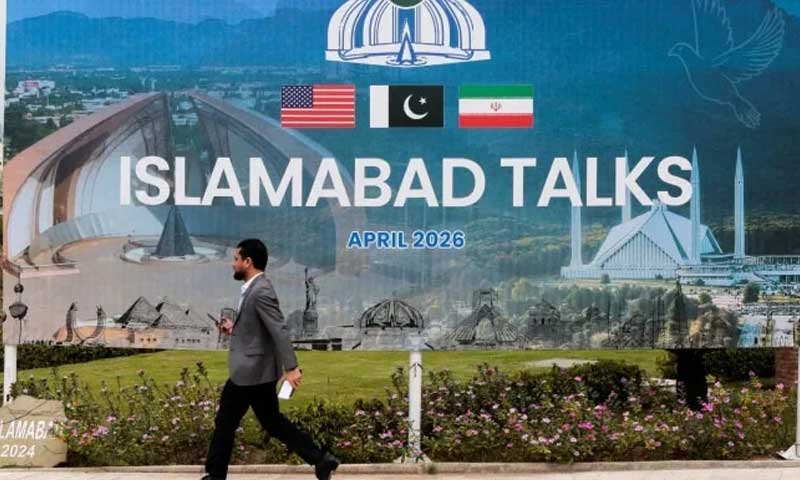
Islamabad has emerged as a significant venue for sensitive international mediation, hosting high-level talks between the United States and Iran aimed at resolving recent conflict and addressing the disruption to the Strait of Hormuz. High-profile American figures, including Vice President JD Vance and Jared Kushner, engaged with the Iranian delegation led by Parliament Speaker Mohammad Bagher Ghalibaf. Although the prolonged discussions ended without a final agreement, they have highlighted Pakistan’s growing role as a platform for diplomatic efforts in a tense region.
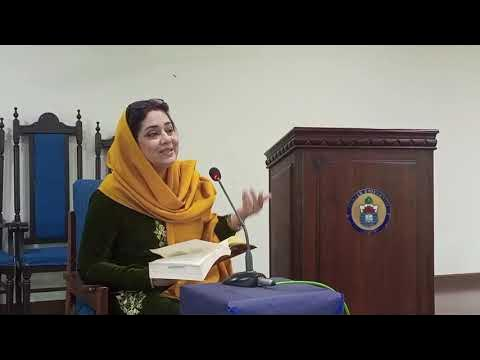
Dr Maryam Kamal, Assistant Professor at the Centre for South Asian Studies, University of the Punjab, Lahore, and currently serving as Senior Fellow at the Institute of Strategic Studies Islamabad (ISSI), provided her expert analysis. With a PhD in International Relations from the University of the Punjab and specialisation in South Asian security, Middle East conflicts, foreign policy, and Afghanistan dynamics, Dr Kamal offered an academic perspective on these developments.
Pakistan’s delicate balancing act as diplomatic host
Dr Kamal recognised the considerable pressures on Pakistan while expressing national pride in the occasion. She compared it to the landmark 1974 OIC summit in Lahore that enhanced Pakistan’s international standing. “It is a very difficult platform for Pakistan currently, but we are really as a nation happy for this moment,” she remarked.
She stressed Pakistan’s robust relations with China which she identified as driving the broader initiative — the United States, Iran, and other Middle Eastern nations. Islamabad had prevented any attacks from its territory against Iran and contributed to regional stability. “Pakistan is not isolated at any phase… we have emerged as a strong diplomatic country where things can move other than terrorism,” she said, countering earlier Indian narratives.
Pakistan is not navigating this alone, Dr Kamal noted, describing it as a “chessboard” where China provides key support, alongside other stakeholders such as Russia affected by the Strait of Hormuz closure. While the scale of the conflict poses major challenges particularly with Israel regarded as a potential spoiler she emphasised the value of building on such diplomatic initiatives for a more peaceful future.
India’s position and shifting regional dynamics
Dr Kamal dismissed the notion of Indian strategic silence. She pointed to Prime Minister Modi’s visit to Israel just before the February attacks, which signalled solidarity and limited New Delhi’s room to manoeuvre. “India is now worried about Pakistan’s role… which is very obvious from their media content,” she observed.
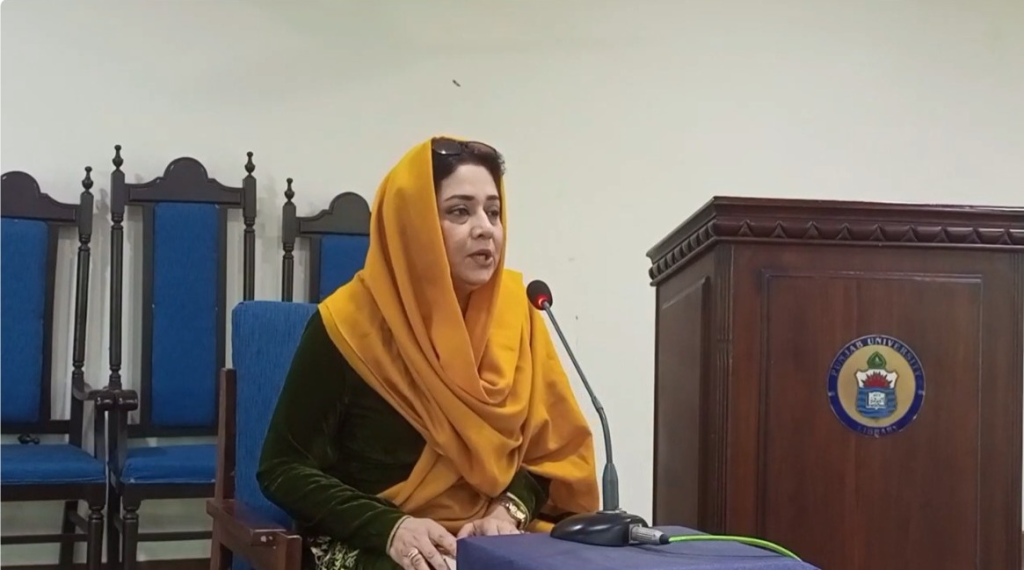
India’s longstanding campaign since 1992 to isolate Pakistan by branding it a terrorist state has, in her assessment, lost momentum. “The terrorist state, which was once claimed by India, now is the place where peace will be established. So, it’s definitely an edge for Pakistan, and India totally have failed in its… regional isolation.”
She characterised international relations as dynamic and unpredictable, adding that the true measure of success for Pakistan would be sustaining this diplomatic achievement.
Netanyahu as ‘Spoiler’ and the path to genuine peace
Dr Kamal warned that Israeli Prime Minister Benjamin Netanyahu and Israeli leadership represent the main obstacle, labelling them the “real culprits” behind the attacks. “The actual peace has to be established between Iran and Israel, not US and Iran,” she asserted.
She highlighted symbolic differences in the delegations: the US team, including individuals with noted Israeli connections, wore red ties signifying authority and power in diplomatic tradition while the Iranian delegation, led by Mohammad Bagher Ghalibaf, appeared in black attire, reflecting sorrow over losses. Iran’s demands encompass a ceasefire in Lebanon, complete US troop withdrawal, and rights to civil uranium enrichment.
On contingency planning, Dr Kamal indicated that a “Plan B” would exist to maintain functionality and advance peace efforts. However, she underlined that durable success hinges on willingness to compromise from all sides. Failure could erode the credibility of regional diplomatic frameworks and risk further damage in Iran.
Dr Kamal views the Islamabad talks as a noteworthy milestone that repositions Pakistan from a focus on conflict to one of mediation. As global attention remains fixed on the outcome, the ability to sustain this “diplomatic capital” will define the effectiveness of Pakistan’s foreign policy in the coming period.
You May Also Like