- Reuters
- November 18, 2026
ECP invokes 2015 law to issue fresh schedule for Islamabad LG polls
-

- Farah Mehjabeen
- November 18, 2026
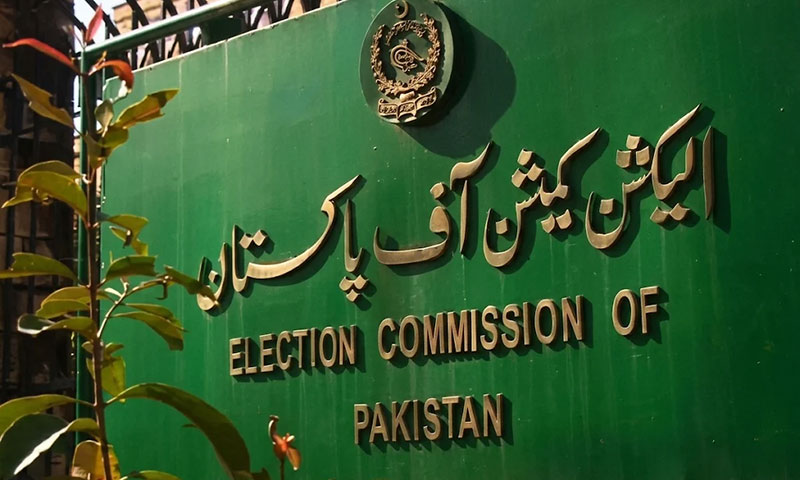
ISLAMABAD: The Election Commission of Pakistan (ECP) has decided to issue a fresh schedule for local government (LG) elections in Islamabad, directing its secretariat to immediately prepare the election programme under the Islamabad Capital Territory (ICT) Local Government Act, 2015.
The decision comes days after the Islamabad High Court (IHC) suspended the ECP’s polling schedule until November 26, following a petition challenging the legal basis of the election process and constituency delimitation.
In a detailed order outlining the repeated delays, the polling organising body directed its secretariat to issue a fresh election programme in accordance with the ICT LG Act, 2015, the Elections Act, 2017, and the relevant rules.
ECP detailed order Islamabad LG polls.pdf by usmandatari
It also ordered that all subsequent electoral activities be completed expeditiously and in accordance with the law.
Repeated delays
According to the commission, the term of Islamabad’s previous local government expired on February 14, 2021. Since then, the ECP has conducted delimitation exercises six times and issued election schedules on four occasions.
The last programme was announced on December 9, 2025, with polling scheduled for February 15, 2026. However, the federal government promulgated the Islamabad LG (Amendment) Ordinance, 2026, on January 10, prompting the commission to halt proceedings at the election symbol allocation stage on January 16.
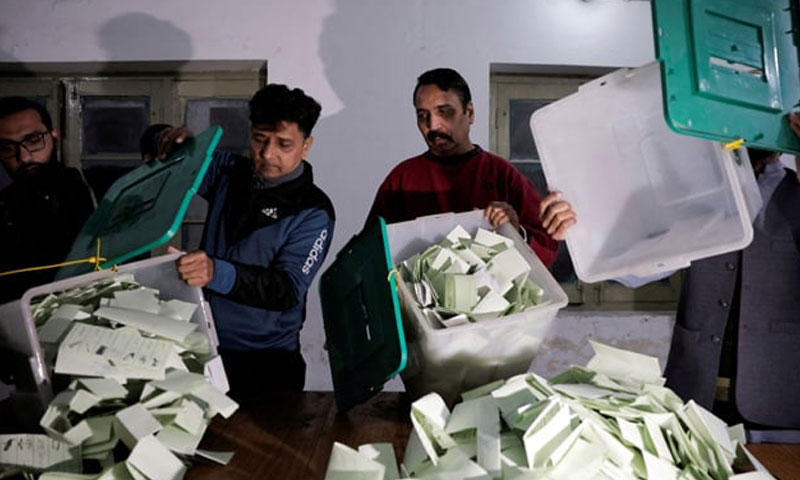
Polling staff empty a ballot box after polls closed at a polling station during the general election, in Lahore, February 8, 2024. — REUTERS
The ECP subsequently sought notifications from the federal government regarding town corporation boundaries and the number of union councils through a January 23 letter and two reminders.
A delimitation schedule for union councils was issued on July 21 and revised on August 25. The commission also wrote to the Ministry of Interior four times between July 29 and October 1, seeking final approval of the draft Islamabad LG Rules, 2026.
The amendment ordinance expired on September 6. On September 29, the interior ministry informed the ECP that the ordinance had been presented before a standing committee, which had recommended its approval.
The draft rules were later sent to the Ministry of Law for legal scrutiny. However, the ministry returned them without vetting, maintaining that the authority to frame rules under the expired ordinance no longer existed.
The commission said the latest delimitation exercise was completed and published on October 14, covering 125 union councils on the basis of the final results of the seventh digital population census.
ECP invokes Supreme Court ruling
The commission maintained that the expiry of the amendment ordinance had restored the ICT LG Act, 2015, and did not affect its constitutional authority to conduct elections.
It referred to the Supreme Court’s observations that elections could not be postponed indefinitely or left to the discretion of any institution.
The ECP also cited Article 220 of the Constitution, which obligates all executive authorities to assist the commission in performing its functions. It noted that the federal government had assured the top court that Islamabad’s local government elections would be held at the earliest.
The commission added that its special secretary had requested the issuance of an election schedule under the restored 2015 legislation.
IHC suspends December 20 polling
The latest development follows the IHC’s November 13 interim order suspending the ECP’s election schedule issued on October 21 until the next hearing.
In its previous announcement, the commission set December 20 as the polling date, seeking to revive the local bodies’ system in the federal capital after nearly five years.
The court issued the stay order on a petition filed by Islamabad resident Amjad Ali through advocate Adil Aziz Qazi, challenging the legal basis of the election process and the delimitation of constituencies.
The petitioner argued that delimitations carried out under the amended law could not automatically serve as the basis for elections under the restored 2015 legislation.
He also questioned the delimitation of 125 union councils and their respective wards, arguing that fresh delimitation was necessary under the original law.
You May Also Like
- Reuters
- November 18, 2026