- Monis Siraj
- August 21, 2026
Efforts intensify for second round of US-Iran talks as ceasefire hangs in balance
-

- Zoya Anwer
- April 14, 2026
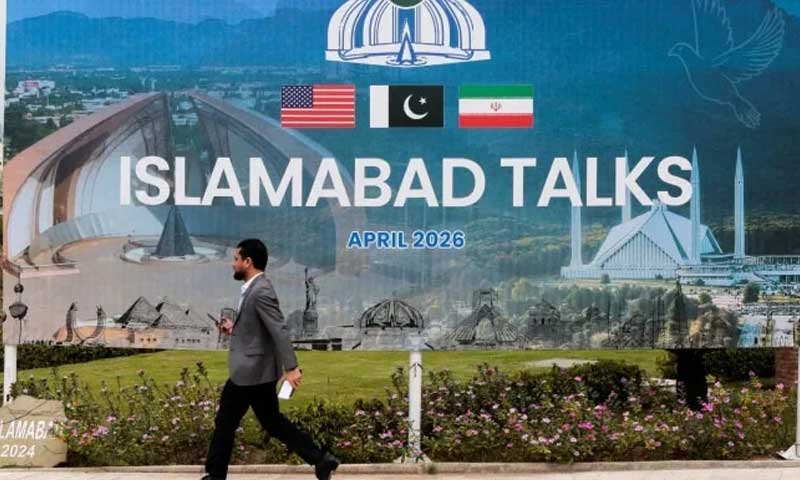
Diplomatic efforts have picked up pace to organise a second round of negotiations between the United States and Iran, with Pakistan and several regional and global players working to prevent a return to hostilities following last weekend’s talks in Islamabad.
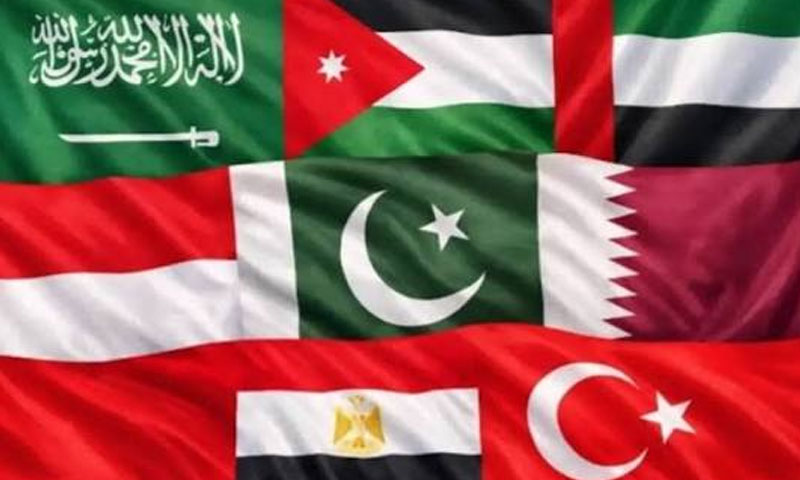
According to Dawn, officials familiar with ongoing backchannel contacts said intermediaries are actively trying to bring both sides back to the table, with Islamabad playing a central role alongside support from countries such as Turkiye and Egypt. The immediate focus, they added, is to secure an extension of the fragile ceasefire.
Prime Minister Shehbaz Sharif told the federal cabinet that while the truce is under pressure, it continues to hold. He noted that intensive negotiations lasting nearly a full day had taken place in Islamabad and that efforts were ongoing to address remaining obstacles.
The current ceasefire, brokered earlier this month after weeks of tensions, is set to expire on April 22. Although still in place, it has come under strain, particularly after US moves towards enforcing a naval blockade in the Strait of Hormuz, a step Tehran has warned could violate the truce.
The Islamabad talks marked the highest-level engagement between Washington and Tehran in decades. While no formal agreement emerged, the dialogue did not collapse, leaving what diplomats describe as a narrow but viable window for continued negotiations.
Key disagreements remain unresolved. The United States has pushed for long-term restrictions on Iran’s nuclear programme and assurances on maritime security, while Iran has demanded sanctions relief, recognition of its rights under international agreements, and guarantees before making binding commitments.
Differences over sequencing have also stalled progress, with both sides insisting on opposing approaches to initial concessions and trust-building measures.
Following the talks, Pakistan launched a diplomatic outreach campaign to build international backing for the process. Foreign Minister Ishaq Dar held discussions with counterparts from several countries, including China, the United Kingdom, Saudi Arabia, Turkiye and Egypt, urging all parties to uphold the ceasefire and prioritise dialogue.
Diplomatic sources said these engagements have helped form a loose international consensus aimed at sustaining momentum and buying time ahead of the deadline. Intermediaries are now pushing for at least a 45-day extension of the truce or a resumption of technical-level talks to pave the way for another high-level meeting.
While both Washington and Tehran have agreed in principle to continue discussions, differences persist over the structure, agenda and venue of the next round. Iran is said to favour Islamabad, citing familiarity and confidence in Pakistan’s mediating role, while the United States is considering alternative locations.
Despite these divergences, diplomats believe the choice of venue is unlikely to derail progress if movement is achieved on core issues, as efforts continue to keep the fragile peace process on track.