- WEB DESK
- October 25, 2026
Electricity tariff set to rise by Rs1.74 per unit in June bills
-

- Sadia Basharat
- June 3, 2026
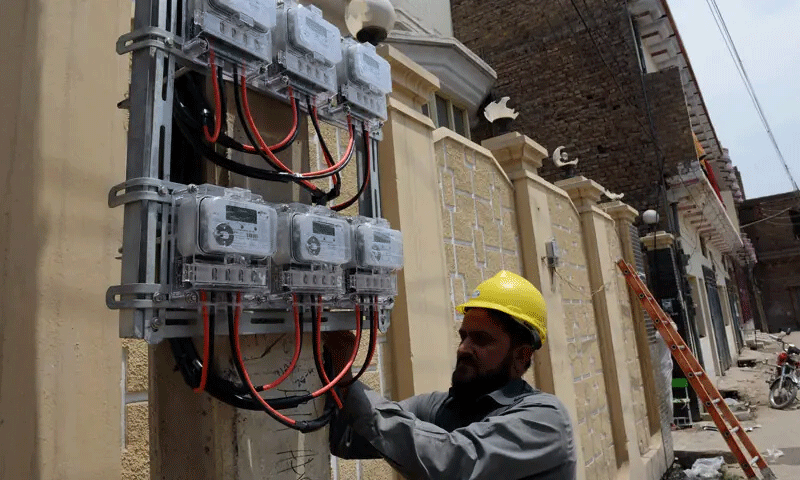
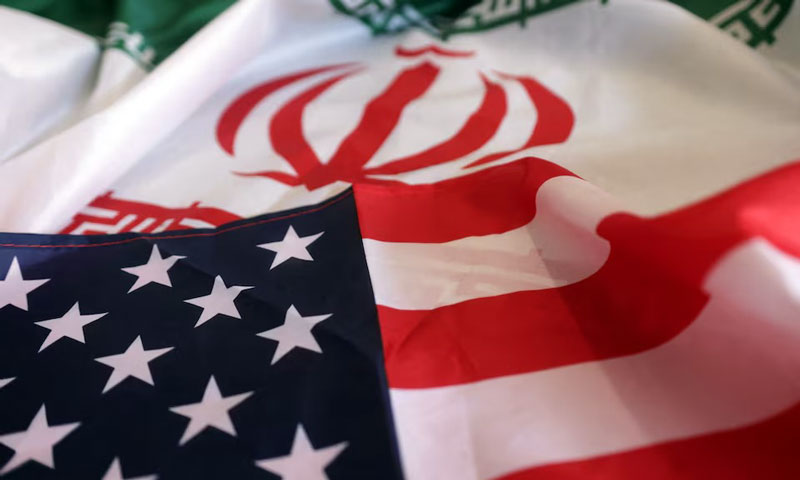
WEB DESK: The price of electricity is expected to increase by Rs1.74 per unit in next month’s bills as the National Electric Power Regulatory Authority (Nepra) considers a request for higher fuel cost adjustment amid disruptions caused by the US-Iran conflict.
The Central Power Purchasing Agency (CPPA) has sought an additional fuel cost recovery of Rs1.73 per unit for the June billing month, which would translate into over Rs16b in extra recoveries from power consumers, according to Dawn News.
During a public hearing on Tuesday, CPPA Chief Executive Rehan Akhtar informed Nepra that the actual fuel cost in April rose to Rs9.975 per unit against a reference cost of Rs8.25 per unit.
The surge was primarily driven by disruptions in liquefied natural gas (LNG) supplies following the Iran-related tensions, coupled with technical constraints in transmitting cheaper power from Sindh to load centres in northern regions.
Government interventions limit impact
Mr Akhtar noted that the government implemented load management measures and restricted the use of furnace oil and diesel, which helped contain the additional adjustment.
Special arrangements were also made for LNG imports, with the government opting to charge Rs2,000 per unit instead of the normal Rs3,500.
Lower availability of the Karachi Nuclear Power Plant Unit-2 (K-2) due to forced outages in the nuclear reactor further contributed to the higher costs, along with pending claims of Rs3.4b.
He added that continued supply from the national grid to Karachi helped moderate the impact on consumers.
Without this arrangement, K-Electric customers would have faced a combined increase of Rs4.26 per unit, including both fuel cost adjustment and capacity purchase price.
Overall power consumption in April declined by 8.5pc compared to the previous year, with drops recorded across most sectors except industry, which saw 13.5pc growth due to the incremental tariff package and gas disconnections for captive power plants.
Nepra demands report on Karachi loadshedding
Industrial consumers from Karachi criticised the incremental tariff package during the hearing, arguing that its faulty design had benefited only a limited number of users and calling for a review.
Separately, Nepra expressed serious concern over excessive loadshedding in Karachi amid high temperatures and sought an urgent detailed report from K-Electric.
The regulator noted that complaints were pouring in from both high-loss and low-loss areas, with loadshedding schedules not being properly followed and technical faults not accounted for in load management.
K-Electric management, participating online, committed to submitting the report promptly. In a subsequent statement, the utility said its practices aligned with the National Electricity Policy 2021 and attributed some localised issues to civic development work in the city.
You May Also Like