- Aasiya Niaz
- 2 Minutes ago
Elite must sacrifice, poor must be protected: PM Shehbaz on war-driven economic strain
-

- Web Desk
- 3 Minutes ago
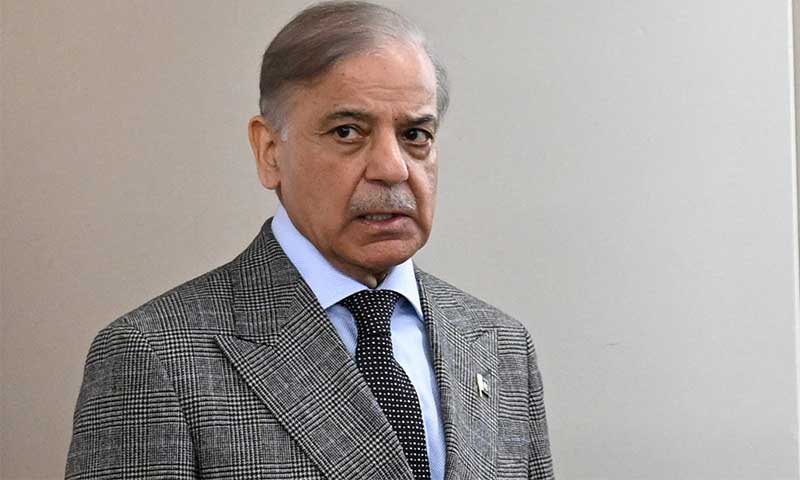
ISLAMABAD: Prime Minister Shehbaz Sharif said Pakistan made “maximum efforts” to secure a ceasefire in the ongoing regional conflict, while warning that the war’s economic and humanitarian impact is now forcing difficult policy choices at home.
Speaking on the situation, the premier expressed deep sorrow over the loss of lives and reiterated that Islamabad had actively engaged with Iranian officials and other stakeholders to help de-escalate tensions. He added that Deputy Prime Minister Ishaq Dar continues diplomatic efforts aimed at ending the conflict, as Pakistan works alongside other countries affected by the crisis.
Sharif said the government and military had ensured the safe arrival of vessels to Pakistan, including facilitating the passage of 20 Pakistani-flagged ships through the strategically vital Strait of Hormuz.
Efforts to reduce tensions, he noted, remain ongoing. Amid mounting economic pressures, the prime minister HAD announced significant austerity measures, including cuts to the development budget and a reduction of Rs100 billion from the Public Sector Development Programme (PSDP) over the past three weeks. He said the savings would be redirected to protect low-income groups, with a clear focus on shielding vulnerable communities from the fallout of rising costs.
In a symbolic move, members of parliament had been asked to forgo two months’ salaries, while federal and provincial governments were to suspend certain development projects to conserve resources. Sharif stressed that the burden must be shared fairly, calling on the elite to make sacrifices while prioritising relief for the poor.
He also underscored the need to safeguard key sectors such as agriculture and thanked President Asif Ali Zardari and Bilawal Bhutto Zardari for supporting the government’s austerity drive. Expressing optimism, the prime minister said peace would ultimately return to the region, adding that political stability remains essential to securing long-term economic recovery.
You May Also Like