- Web Desk
- Now
Emergency G7 summit on oil reserves
-

- Web Desk
- 1 Minute ago
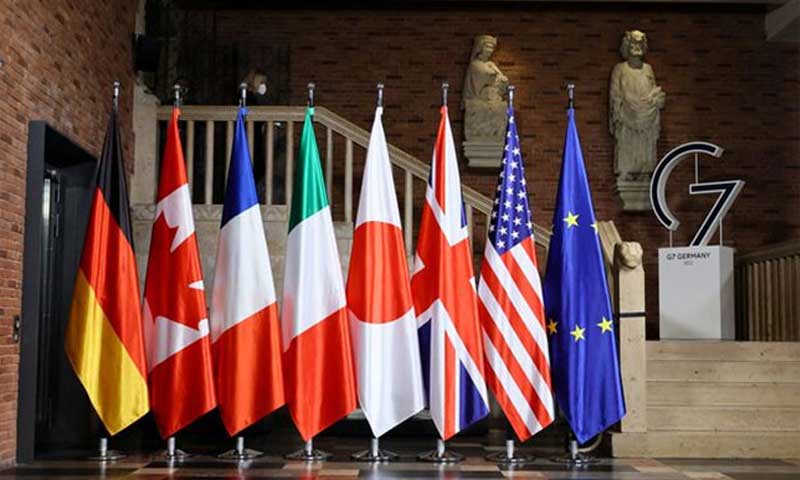
WEB DESK: G7 finance ministers are set to hold an emergency summit on Monday to discuss a coordinated release of strategic oil reserves, following a sharp surge in global energy prices amid escalating conflict in the Gulf.
According to the Financial Times, ministers will convene via a high-level conference call at 13:30 GMT (08:30 ET) with Fatih Birol, executive director of the International Energy Agency (IEA). The move highlights growing concern among Western economies as sustained energy inflation threatens to derail global growth.
Brent crude, the international benchmark, surged by as much as 24% to $116.71 per barrel in Asian trading after reports of major disruptions in the Middle East, including the effective closure of the Strait of Hormuz, a critical passage for roughly a fifth of the world’s oil supply.
Key Proposals and Rising Pressure
Discussions are expected to focus on the scale of release, with US officials reportedly proposing a joint release of between 300 million and 400 million barrels, representing around 25% to 30% of the total strategic reserves held by the 32 IEA member nations.
The very prospect of such an announcement has already tempered some early gains in oil prices, though markets remain highly volatile. The emergency call also signals a shift in the US administration’s stance, which only last week suggested tapping reserves was unnecessary. With American petrol prices rising from $2.98 to $3.45 per gallon in just seven days, the pressure both political and economic to act has intensified.
Analysts warn that failure to stabilise the market could trigger a sharp spike in global inflation, particularly affecting major importers like the UK, Germany, and Japan, potentially inflicting lasting damage on industrial output.
France, currently holding the rotating G7 presidency, had initially planned a broader meeting on the Middle East crisis later this week but has expedited these specific talks on oil reserves as conditions in the Gulf deteriorate.
You May Also Like