- Web Desk
- 4 Minutes ago
“Enough politics, play the game”; Nasser Hussain calls out ICC
-

- Web Desk
- Feb 05, 2026
As the T20 World Cup 2026 gets ready to bowl its first ball, cricket finds itself in the middle of a very different contest – one being played off the field, with power, principle and precedent at stake.
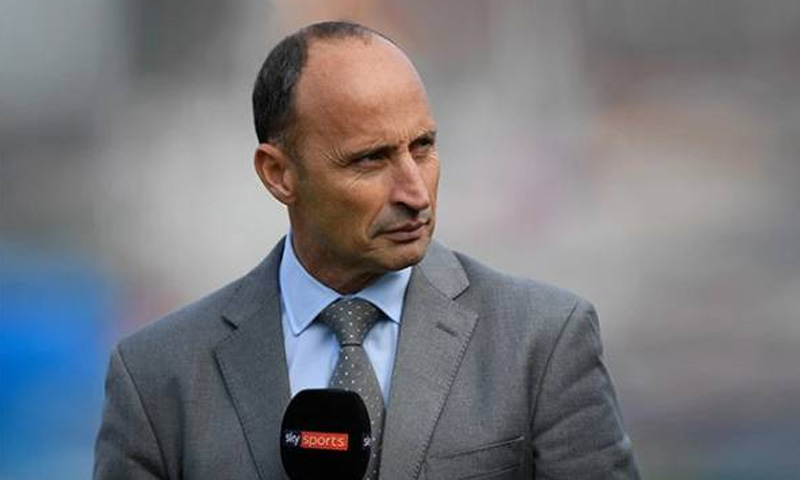
Former England captain Nasser Hussain has thrown his weight into the debate, questioning whether the International Cricket Council would have acted the same way if India – not Bangladesh – had demanded a change of venue.
“Would the ICC have taken the same approach?” Hussain asked bluntly. “Would it have decided to exclude India from the event as well?”
His comments land at a tense moment, with Pakistan announcing it will boycott its February 15 Group A match against India in Colombo, a decision that could cost Pakistan two crucial points and strip the tournament of its most-watched fixture.
But this isn’t just about one match.
The flashpoint came after the ICC removed Bangladesh from the T20 World Cup, replacing them with Scotland following security concerns raised by the Bangladesh Cricket Board about playing in India. Pakistan immediately backed Bangladesh, accusing the ICC of applying double standards – one rulebook for powerful boards, another for everyone else.
Hussain echoed that sentiment, stressing that Bangladesh and Pakistan should be treated with the same respect afforded to India.
In his view, Bangladesh’s refusal to back down was a rare moment of resolve in modern cricket politics. Pakistan’s public support, he added, was equally significant.
“Someone has to step forward and say enough is enough,” Hussain said. “Now the focus should be on cricket.”
Instead, the focus has shifted to governance.
Pakistan’s boycott – announced by the government rather than formally by the Pakistan Cricket Board – has placed the PCB in a tight spot, caught between state policy and ICC regulations. While all of Pakistan’s matches were already scheduled in Sri Lanka as a neutral venue, Islamabad’s refusal to face India has turned a logistical compromise into a full-blown confrontation.
The ICC has pushed back hard, warning that selective participation threatens the “spirit and sanctity” of global tournaments. In a strongly worded statement, the governing body said such actions undermine fairness, competitiveness and the long-term stability of international cricket.
Behind the scenes, the stakes are massive. Pakistan–India clashes are cricket’s biggest commercial driver, propping up broadcast deals, sponsorships and global viewership. A boycott would ripple far beyond Group A, impacting the tournament’s financial and competitive balance.
Former Pakistani players have lined up behind the government, arguing that India has long blurred the line between politics and sport – and that Pakistan’s stance is overdue.
What happens next could reshape international cricket. If a full member nation can be expelled, replaced, or pressured into compliance, questions emerge about who really runs the game – and whether the ICC can enforce consistency across its membership.
As the T20 World Cup 2026 approaches, the scoreboard remains empty, but the tension is already at playoff intensity.
You May Also Like