
- Aasiya Niaz
- 13 Minutes ago
Epstein fallout: Starmer under pressure as resignation calls grow
-

- Web Desk
- Feb 10, 2026
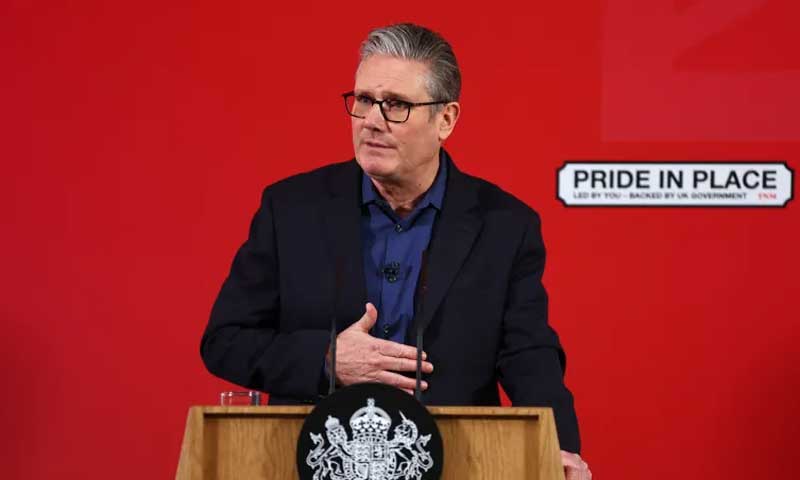
WEB DESK: UK Prime Minister Keir Starmer moved quickly to shut down mounting pressure on his leadership, telling Labour MPs he would not step aside or risk destabilising the government after a day that pushed his premiership to its most precarious point so far. The resignation of former US ambassador and senior Labour figure Peter Mandelson, following the emergence of his name in the Epstein files, has triggered broader political fallout.
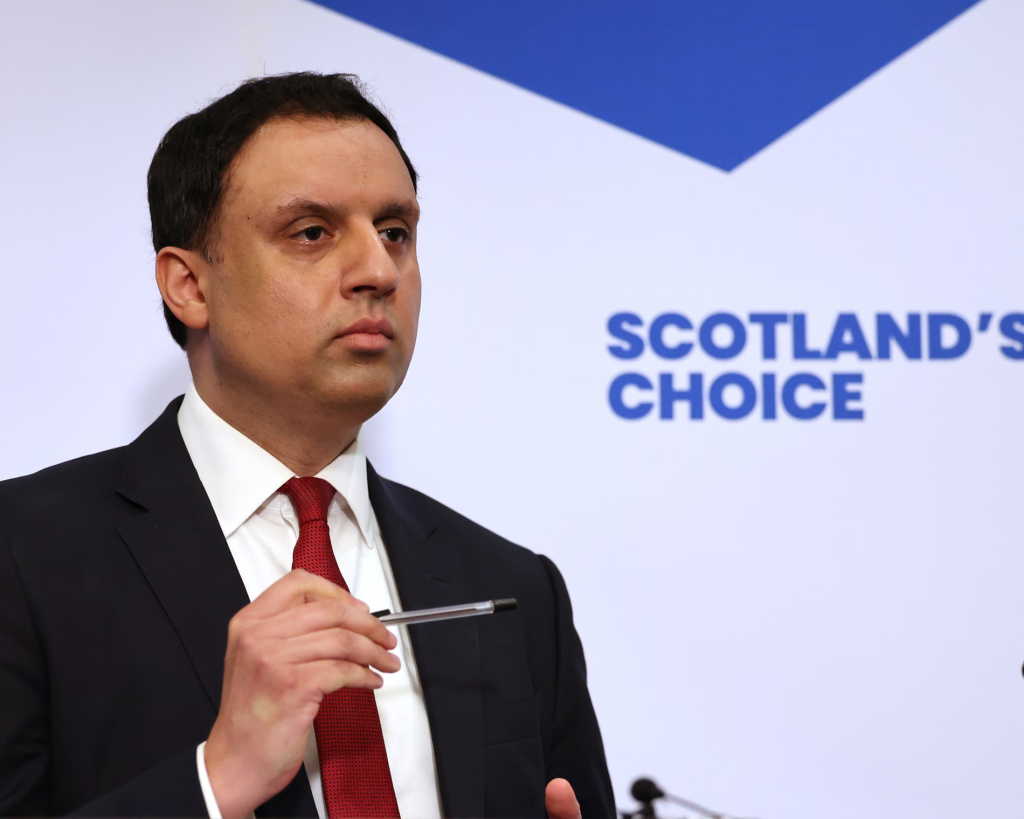
The immediate challenge came from Scotland, where Labour leader Anas Sarwar publicly called on him to resign, arguing that turmoil in Downing Street was damaging the party’s standing ahead of crucial elections. While the prime minister survived the intervention, allies privately acknowledge the episode has left him weakened and facing growing uncertainty. Over the course of 24 turbulent hours marked by resignations, internal briefings and visible unease, Starmer retained cabinet backing and avoided an outright revolt, but few within Westminster believe the danger has fully passed.
Cabinet unity masks deep unease within Labour
Senior ministers publicly rallied behind Starmer, with Angela Rayner lending her support to help halt speculation of an immediate leadership challenge and Wes Streeting also backing the prime minister despite earlier criticism of the government’s direction and messaging.
Privately, however, anxiety is widespread. Several MPs described loyalty as conditional rather than wholehearted, warning that the party had merely stepped back from the edge rather than resolved its underlying problems. Months of poor polling, economic pressure and frustration over strategy came to a head after Starmer accepted the resignation of his closest adviser, Morgan McSweeney, amid anger over the appointment of Peter Mandelson as UK ambassador to the United States. Though party figures insist no leadership contest is under way, discussions about potential successors are already taking place quietly, with many MPs believing Starmer has entered a decisive phase of his premiership.
Downing Street shake-up deepens sense of instability
The leadership crisis coincided with further upheaval at the heart of government. Tim Allan resigned as director of communications just months into the role, becoming the latest in a string of departures from No 10 and leaving Starmer searching for yet another communications chief since taking office. At the same time, the UK’s most senior civil servant, Chris Wormald, is understood to be negotiating his own exit as part of a broader reshaping of the prime minister’s operation.
Labour insiders warn that the loss of McSweeney in particular has left Starmer exposed as he approaches a series of political tests, including an upcoming byelection and key policy decisions. Sarwar’s public intervention has rattled the party, especially in Scotland, where Labour is polling behind the SNP and Reform, but while the challenge failed to topple the prime minister, it forced MPs to confront the scale of internal discontent. Addressing Labour MPs and peers, Starmer struck a defiant tone, acknowledging mistakes but insisting he would not abandon his mandate or responsibility to govern. The speech steadied the room for now, sharpening Labour’s focus on its external opponents, but with trust shaken and senior staff departing, the prime minister’s grip on his party remains fragile.
Epstein-Peter Mandelson
Last week the fallout from revelations linked to Jeffrey Epstein sent shockwaves through British politics, placing Starmer under severe pressure and exposing deep vulnerabilities within his government. While the Epstein files have so far failed to destabilise Donald Trump’s administration in the United States, they have triggered a political crisis in the UK, largely centred on former US ambassador Peter Mandelson.
Mandelson, a long-standing and influential figure in Labour politics, is now the subject of a criminal investigation by London police over allegations that he shared sensitive government information with Epstein while serving as business secretary during the 2009 financial crisis. He is accused of leaking confidential emails and market-sensitive intelligence, as well as receiving substantial payments linked to Epstein, raising concerns about the possible sale of state secrets.

The scandal has revived scrutiny of Mandelson’s controversial career, which included previous resignations from government, and has prompted him to quit the Labour party. More damaging still are the questions now facing Starmer over his judgment in appointing Mandelson despite known risks. In parliament, the prime minister said Mandelson had “betrayed the country” and admitted he regretted the decision.
With Mandelson closely associated with Labour’s New Labour era and its past successes, the episode has reignited internal tensions and threatens to destabilise Starmer’s leadership at a critical moment.
You May Also Like