- Web
- 2 Hours ago
Europe rejects Trump’s call for war coalition against Iran
-

- Web Desk
- Mar 19, 2026
WEB DESK: European allies have delivered a stinging rebuff to President Donald Trump’s demands for military assistance in the Strait of Hormuz, signalling a historic rift in Transatlantic relations.
Despite the escalating maritime crisis holding the global economy in a “vice,” leaders in Berlin, Paris, and London have flatly refused to join US-Israeli operations, citing a lack of clear objectives and a complete absence of diplomatic consultation from the White House, according to Reuters.
A united front against ‘unpredictable’ conflict
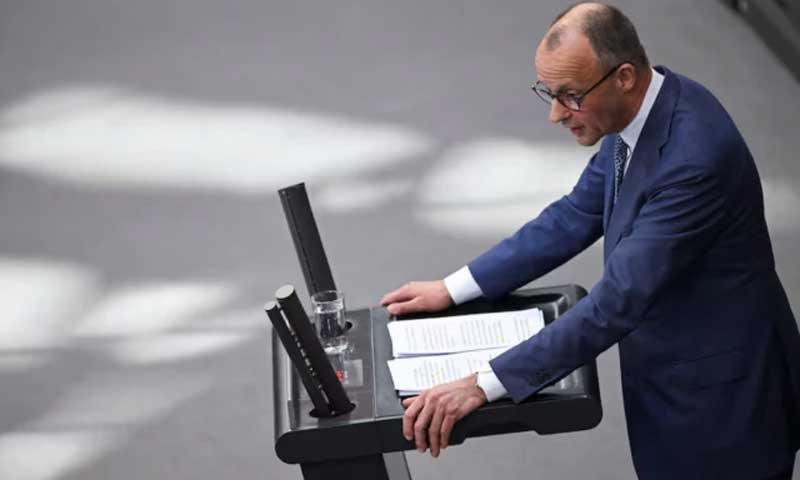
German Chancellor Friedrich Merz, traditionally seen as a staunch Transatlanticist, led the charge with uncharacteristically blunt language. Addressing lawmakers, Merz expressed grave doubts over the rationale behind the US-led strikes, noting that Washington had failed to provide a “convincing plan” for success.
His Defence Minister, Boris Pistorius, was even more succinct, stating firmly, “This is not our war.” This sentiment was echoed by French President Emmanuel Macron, who insisted that France is not a party to the conflict.
The hesitation stems from a deep-seated wariness of being dragged into an unpredictable regional war that remains deeply unpopular with European voters polls in Germany and Spain show a clear majority of the public opposes military intervention.
Navigating the Trump presidency and maritime security
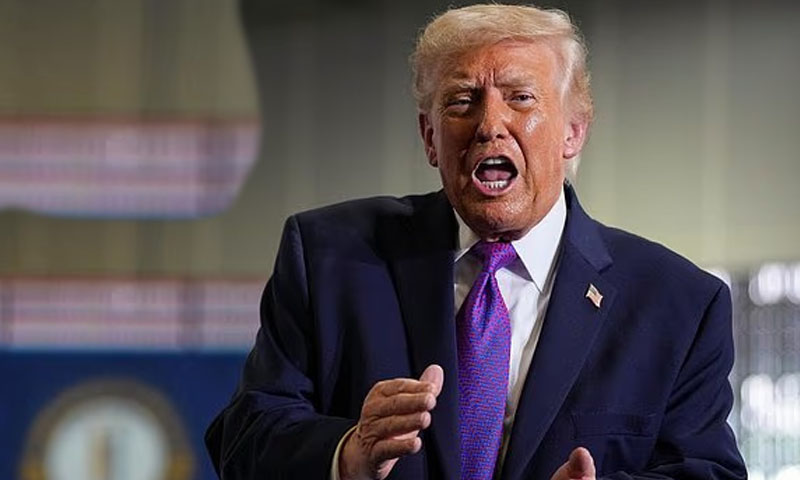
The diplomatic fallout has seen President Trump lash out at his allies, describing their reluctance as a “very foolish mistake.” He reserved particular vitriol for British Prime Minister Keir Starmer, mockingly comparing him unfavourably to Winston Churchill.
However, Starmer appears bolstered by domestic public opinion, with YouGov data suggesting nearly half of Britons oppose the strikes. Even political rivals in the UK, including the Conservatives and Reform UK, have been forced to temper their pro-US stances to defend the Prime Minister against what they termed “childish” rhetoric from the White House.
While Spain has denounced the attacks as “illegal” and brushed off trade threats, the EU is now attempting to manage the volatility. EU foreign policy chief Kaja Kallas urged for calm and focus, as Europe begins drafting its own independent plans to secure global shipping routes without a direct US role.
You May Also Like