
- Farah Mehjabeen
- October 26, 2026
FCC delivers tax relief to poultry feed industry ahead of budget
-

- Ahsan Wahid
- June 2, 2026
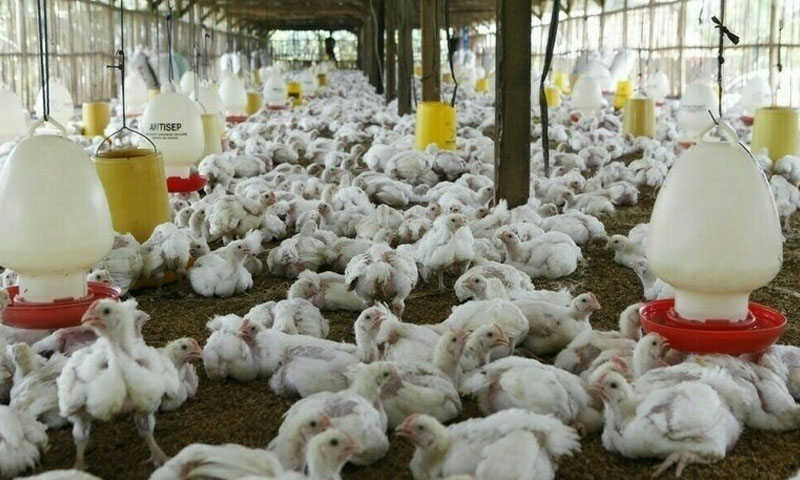
ISLAMABAD: The Federal Constitutional Court (FCC) has struck down the imposition of a 4 per cent additional sales tax on poultry feed manufacturers supplying feed to unregistered poultry farms, dealing a potential revenue setback to the government days before the presentation of the federal budget.
In a detailed judgment issued by a two-member bench headed by Justice Aamer Farooq and comprising Justice Muhammad Karim Khan Agha, the court ruled that the additional tax could not be imposed where the recipients of supplies were legally exempt from sales tax registration.
The court allowed appeals filed by poultry feed manufacturers and poultry farmers, setting aside a previous ruling of the Lahore High Court and nullifying tax demands raised by the Federal Board of Revenue (FBR).
The dispute centred on Section 3(1A) of the Sales Tax Act, 1990, under which an additional “further tax” of 4 per cent is charged on taxable supplies made to unregistered persons.
Tax authorities had argued that poultry feed manufacturers were liable to pay the tax because they sold feed to poultry farmers who were not registered with the sales tax department.
The manufacturers challenged the levy, arguing that poultry farmers were exempt from sales tax under Section 13 of the law and were therefore not legally required to obtain sales tax registration.
According to the judgment, the court found an inconsistency in the tax authorities’ interpretation of the law.
It held that the objective of Section 3(1A) was to encourage registration of businesses that were legally required to register but had failed to do so, rather than to penalise entities that were expressly exempt from registration under the law.
“The mischief sought to be addressed through the further tax regime was the non-registration of taxable persons who are otherwise required to be registered,” the court observed, adding that the provision could not be applied to persons whom the law itself exempted from registration requirements.
The bench noted that poultry farmers benefit from sales tax exemption under Section 13 of the Sales Tax Act and, as a consequence, are not required to register under the relevant provisions of the law.
Because the farmers were under no legal obligation to register, the court held that neither the farmers nor the feed manufacturers supplying them could be subjected to penal consequences arising from non-registration.
The judgment said imposing the further tax on feed manufacturers would effectively transfer the financial burden to poultry farmers through higher feed prices, undermining the legislative intent behind the exemption granted to the sector.
The court also pointed to ambiguity in Section 3(1A), stating that tax statutes imposing liabilities must be interpreted strictly and that any uncertainty should not be resolved against taxpayers.
In reaching its conclusion, the bench relied on the Supreme Court’s ruling in Muhammad Arif Ice Factory v Federation of Pakistan (2021), which held that further tax could not be imposed in circumstances where industries or sectors enjoyed statutory exemptions under tax laws.
The FCC consequently converted the petitions into appeals, allowed them and set aside the Lahore High Court’s earlier judgment, which had upheld the tax authorities’ position.
The ruling is expected to provide relief to poultry feed manufacturers and poultry farmers, who had argued that the levy increased production costs in a sector already facing pressure from rising feed, energy and transportation expenses.
The decision could also have wider implications for the interpretation of further tax provisions in cases involving exempt sectors and unregistered entities that are not legally required to register under Pakistan’s sales tax regime.
The judgment comes at a sensitive time for the government as it finalises revenue measures ahead of the federal budget, expected to be presented on June 5, amid efforts to increase tax collection and broaden the tax base under commitments linked to economic reforms.
You May Also Like