
- Web
- 58 Minutes ago
FedEx sues for refund following Supreme Court ruling on Trump’s illegal tariffs
-

- Web Desk
- Feb 24, 2026
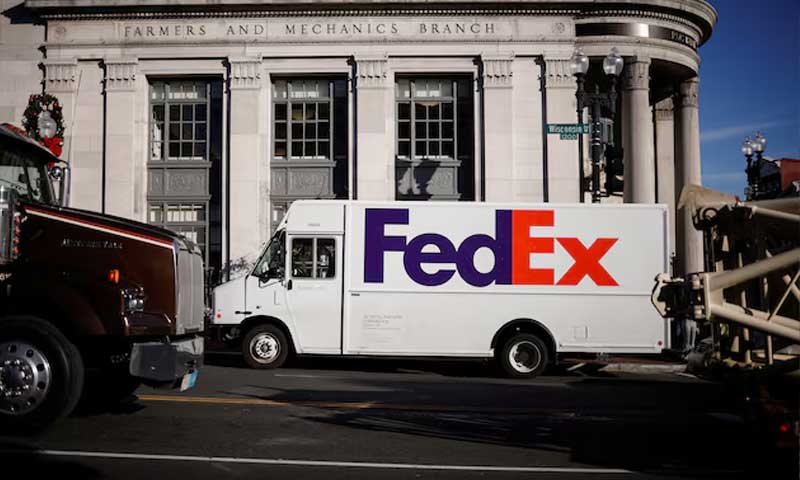
WEB DESK: Global logistics giant FedEx has filed a lawsuit in the U.S. Court of International Trade seeking a refund for emergency tariffs imposed during the Trump administration, in one of the most high-profile efforts to reclaim funds following last week’s Supreme Court decision declaring the tariffs illegal.
According to Reuters, the ruling, issued by the U.S. Supreme Court on Friday, found by a 6-3 vote that former President Donald Trump exceeded his authority under the International Emergency Economic Powers Act (IEEPA) when imposing tariffs on imported goods. Economists from the Penn-Wharton Budget Model estimate that more than $175 billion in tariff collections could now be subject to refunds.
FedEx, along with its logistics arm, acted as the importer of record for goods affected by the IEEPA tariffs. In its lawsuit, the Memphis-based company stated it seeks “a full refund from Defendants of all IEEPA duties Plaintiffs have paid to the United States.” The firm did not disclose the specific dollar value of the refund being sought.
The defendants named in the case include U.S. Customs and Border Protection (CBP), CBP Commissioner Rodney Scott, and the United States of America. CBP and the White House did not respond immediately to requests for comment.
Washington, D.C.-based law firm Crowell & Moring is representing FedEx. The firm also represents other companies pursuing IEEPA tariff refunds, including retailer Costco, cosmetics company Revlon, and eyewear supplier EssilorLuxottica.
Legal experts predict a wave of lawsuits could follow the Supreme Court ruling, as importers, distributors, and suppliers seek to reclaim billions of dollars. “Importers appear best placed to win IEEPA tariff refunds because their paperwork likely includes customs documents or invoices with line-item breakdowns of tariff costs tied to specific goods,” said Ron Ciotti, partner at Boston law firm Hinckley Allen.
While the Supreme Court ruling clears the way for potential refunds, the recovery process will be determined by lower courts, adding a layer of complexity to what promises to be one of the largest tariff reimbursement efforts in U.S. history.
You May Also Like