- Web
- 43 Minutes ago
FIFA faces pressured over skyrocketing 2026 ticket costs
-

- Web
- 3 Minutes ago
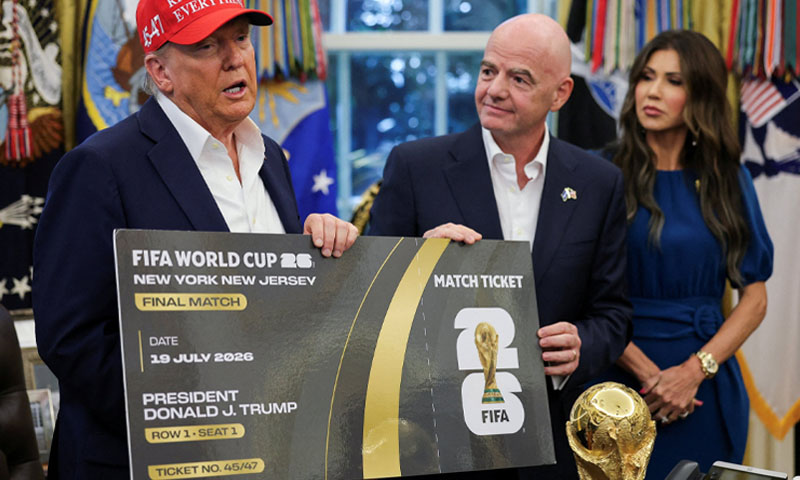
WASHINGTON: FIFA is under growing pressure from US lawmakers over the soaring cost of tickets for the 2026 World Cup, with 69 members of Congress urging the global soccer governing body to take immediate action to make the tournament more accessible.
The letter, spearheaded by Rep. Sydney Kamlager-Dove, criticised FIFA’s decision to implement dynamic pricing for the first time, a system that allows ticket costs to fluctuate based on demand, inventory, and popularity. Lawmakers say this has turned the world’s most-watched sporting event into a profit-driven enterprise at the expense of fans.
“The extreme high demand for World Cup tickets should not be a green light for price gouging at the expense of the people who make the World Cup the most-watched sporting event in the world,” the lawmakers wrote in the letter addressed to FIFA President Gianni Infantino.
Tickets for matches hosted across the US, Canada, and Mexico have reportedly skyrocketed on FIFA’s official resale platform, far surpassing the prices listed in the original bid book by the host nations. While FIFA has introduced a limited number of $60 tickets, critics say these are insufficient to offset the widespread financial barriers.
Lawmakers are urging FIFA to redistribute unallocated ticket bands at more affordable prices, prevent inflation as teams advance in the tournament, reconsider dynamic pricing in future competitions, and allow host cities more flexibility to fund fan festivals for those unable to attend matches.
“Despite host cities’ cooperation in bringing the vision of the largest, most global World Cup in history to fruition, the consequences of dynamic pricing will make the 2026 FWC the most financially exclusionary and inaccessible to date,” the letter reads.
FIFA has not yet publicly responded to the congressional letter, leaving fans and host cities awaiting clarification as the June 11 kickoff approaches.
The push from US lawmakers highlights growing concerns that the tournament, while a global spectacle, risks alienating the very fans who have fueled its popularity for decades.
You May Also Like