- Asmat Sumalani
- 1 Hour ago
FIFA World Cup fans angry as StubHub fails to deliver resale tickets
-

- Web Desk
- Now
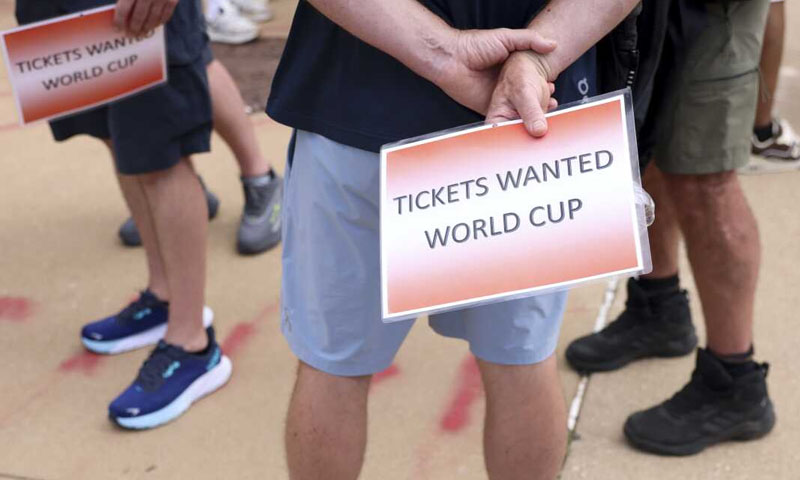
TEXAS: Fans attending the FIFA World Cup have voiced frustration after ticket resale platform StubHub failed to deliver purchased match tickets, leaving many supporters unable to attend games despite months of planning.
Among those affected were Jeremy and Sarah Wright, who travelled from Austin to Dallas to watch the Netherlands face Japan after buying tickets through StubHub as a Christmas gift. Just five hours before kickoff, Jeremy received an email informing him that the tickets could not be delivered.
The email said replacement tickets had been secured under StubHub’s “FanProtect Guarantee,” but when Jeremy attempted to claim them, the only option available was a refund. After spending hours trying to resolve the issue with customer support, the couple abandoned their plans and returned home without attending the match.
The Wrights are among dozens of customers who have taken to social media in recent weeks to complain about last-minute ticket cancellations, with many saying they were promised replacement tickets that never materialised.
StubHub, which is not an official FIFA World Cup ticketing partner, said it operates solely as a resale marketplace and does not own or price tickets. The company said many cancellations stem from sellers failing to deliver tickets and argued that FIFA’s ticket transfer infrastructure has complicated transfers across resale platforms.
FIFA rejected that claim, saying its official ticketing platform has operated reliably throughout the tournament. The governing body reiterated that its official resale marketplace is the only platform through which it can guarantee the secure delivery of World Cup tickets.
Some fans turned to third-party marketplaces because they found FIFA’s resale platform difficult to navigate. Dacy Gillespie, for example, bought four tickets on StubHub as a Christmas surprise for her children to attend Argentina’s match against Algeria. After travelling from St. Louis to Kansas City, she received notice on matchday that the seller could not provide the tickets.
Ticketing experts say many of the problems are linked to “speculative ticketing,” where sellers list tickets they do not yet possess, expecting to buy them later at a lower price. As World Cup ticket prices climbed closer to the tournament, many speculative sellers were unable to fulfil orders without taking losses.
Although StubHub prohibits speculative listings, experts say so-called “ghost tickets” remain common because sellers are not required to disclose seat numbers when creating listings.
Jeremy Wright’s tickets were purchased months before FIFA even opened its first official sales phase, suggesting they may have been speculative listings. His order confirmed only the seating category and did not include seat numbers.
StubHub said sellers must upload tickets or proof of purchase when listing seats and warned that those who misrepresent inventory face financial penalties and account suspension.
Following widespread criticism on social media, StubHub offered the Wrights complimentary tickets to a World Cup semi-final and agreed to reimburse part of Gillespie’s costs after she purchased replacement tickets elsewhere.
The company said it has created a dedicated World Cup support team and expanded its ability to source replacement tickets, adding that getting fans into matches remains its top priority.
Industry experts warned that the episode could have lasting consequences for StubHub’s reputation. The controversy comes amid increased scrutiny of the company over ticketing practices, with consumer advocates also urging US lawmakers to ban the sale of speculative or “ghost” tickets on resale platforms.