- Talha Saeed
- September 20, 2026
Finance minister says protests, sit-ins will cause Rs120bn daily economic loss
-

- WEB DESK
- September 20, 2026
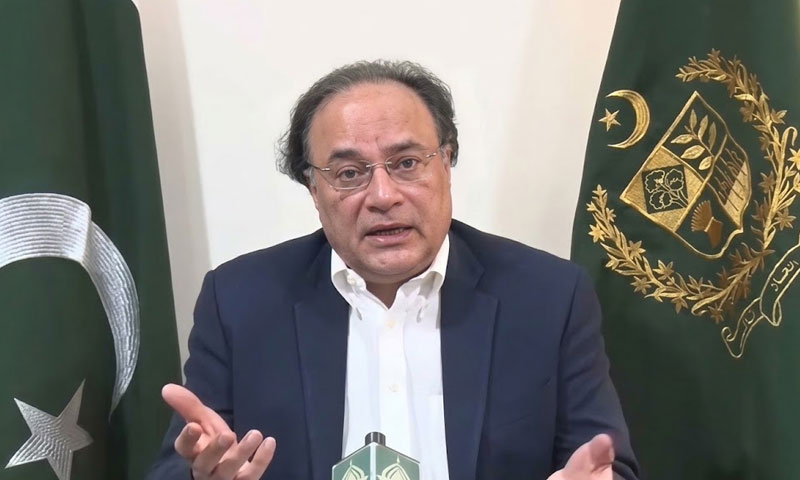
ISLAMABAD: Finance Minister Muhammad Aurangzeb said on Sunday that protests, strikes and sit-ins could disrupt Pakistan’s economic progress and result in estimated losses of around Rs120 billion a day, urging all sides to resolve their differences through dialogue.
Speaking at a press conference in Islamabad, Aurangzeb said that marches, strikes and sit-ins were beyond comprehension at a time when the government was seeking to move the economy from stabilisation towards sustainable growth.
He said the estimate had been prepared in collaboration with the Planning Commission’s economic wing, taking into account past experience and current economic conditions. The assessment suggested that disruption to economic activity could result in losses of around Rs120 billion a day across major sectors.
The services sector would bear the largest share of the estimated loss, at around Rs86 billion a day, he said. The sector includes financial services, communications, transport, wholesale and retail trade, hotels and other related activities.
The industrial sector could suffer losses of around Rs25 billion a day, with disruptions affecting construction, manufacturing, raw materials and supply chains, Aurangzeb said.
The agriculture sector could face an estimated daily loss of around Rs9 billion, mainly because of disruptions to transportation, perishable goods, dairy supply chains and agricultural production.
Rs17bn daily revenue loss
Aurangzeb said disruptions to economic activity could also result in an estimated Rs17 billion loss in government tax revenue each day.
He said the Federal Board of Revenue’s tax collection had increased by around 40 per cent over the past two years and that efforts were continuing to broaden the tax base.
The minister warned that long marches, sit-ins and road blockades could disrupt internet connectivity and communications as well as business activity, potentially affecting Pakistan’s IT exports.
He said the economic impact of prolonged disruptions would ultimately be borne by ordinary citizens, particularly daily-wage workers, labourers, small shopkeepers and small businesses.
Government aims to shift from stability to growth
Aurangzeb said the government’s focus was shifting from economic stabilisation towards sustainable growth.
He said Pakistan had set an export target of $32.9 billion for the current fiscal year, with exports expected to grow by around 6 per cent.
“Sustainable economic stability is a shared responsibility,” he said, adding that the country was moving from economic stabilisation towards economic growth.
The minister pointed to higher remittances, improved foreign exchange reserves, a lower fiscal deficit and a current account surplus as signs of improvement in the economy.
He also said the government was working to reduce expenditures, while exports and participation in the Pakistan Stock Exchange were showing positive trends.
Pakistan’s FY2026-27 budget has targeted economic growth of 4 per cent, while the government has highlighted improvements in foreign exchange reserves, manufacturing and other economic indicators.
Terrorism and regional tensions
Aurangzeb also addressed the security situation, saying hostile forces were behind terrorism in Pakistan.
He paid tribute to the security forces for their sacrifices in the fight against militants and said the armed forces were continuing to confront militant groups.
The finance minister also said the situation in the Middle East had pushed up international oil prices, creating additional pressure on economies around the world.
He said Prime Minister Shehbaz Sharif and Field Marshal Asim Munir were making efforts to facilitate talks between the parties involved in the conflict.
Aurangzeb’s comments come as Pakistan seeks to maintain economic stability while dealing with external pressures, including higher energy costs and regional tensions.
You May Also Like

- WEB DESK
- September 20, 2026