
- Web
- 4 Minutes ago
Five minutes’ blog by Anthropic causes IBM shares to lose $30 billion in one day
-

- Web Desk
- Feb 26, 2026

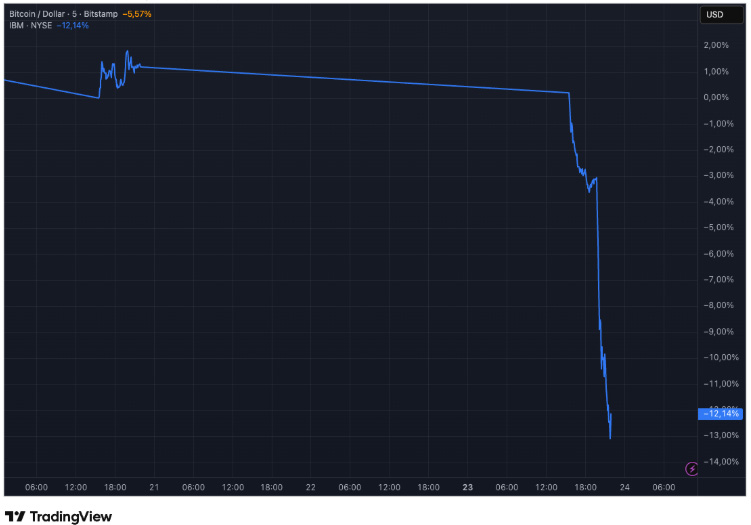
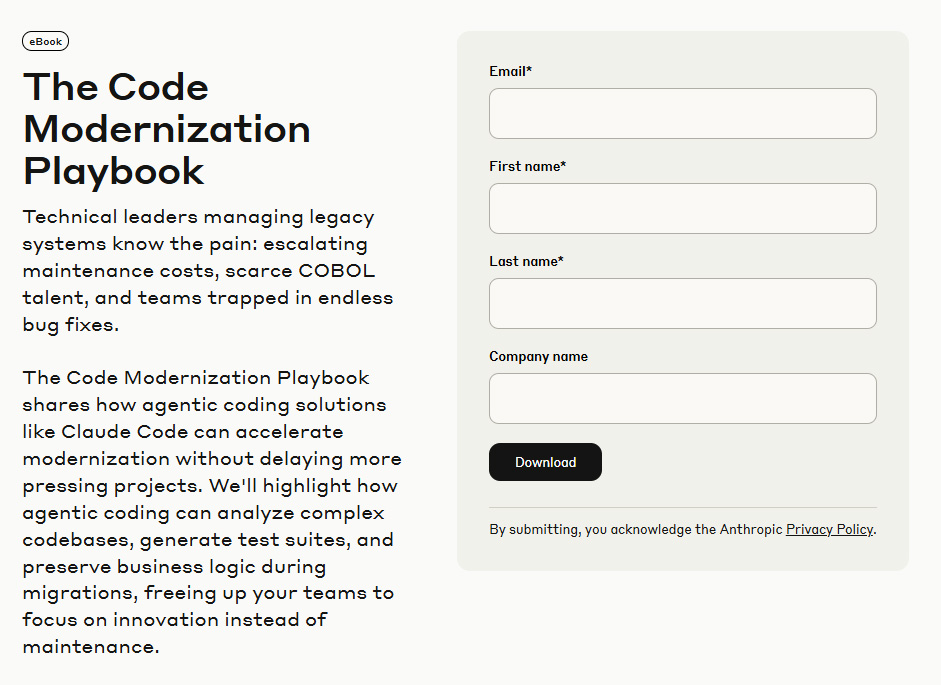
Shares of International Business Machines Corporation (IBM) fell 13.2 per cent on February 23, marking the stock’s largest single-day decline in more than 25 years. The drop, the most significant since October 2000, came after AI startup Anthropic announced that its new tool, Claude Code, could drastically simplify modernisation of COBOL systems – a critical part of IBM’s mainframe business.
COBOL, a programming language developed in the late 1950s, remains central to many mission-critical systems. Estimates suggest that 95 per cent of all ATM transactions in the US still run on COBOL, and the language underpins systems in banking, insurance, airlines, and government agencies.
Many of these programs operate on IBM mainframes, valued for their reliability and stability in highly regulated industries. However, the pool of skilled COBOL developers is shrinking, as many original engineers have retired and few universities still teach the language.
Anthropic claims Claude Code can automate tasks that once required large teams working for months, including mapping complex code dependencies, documenting forgotten workflows, and identifying operational risks. The announcement raised investor concerns that AI could reduce the need for IBM’s consulting services and mainframe modernisation projects.
The selloff comes amid broader market volatility in AI-linked software stocks. Earlier this year, software and cybersecurity shares – including CrowdStrike and Datadog – also faced declines following announcements of AI tools that accelerate coding and security processes. Investors are increasingly wary of “vibe coding,” the ability of AI to generate software independently, which could weaken demand for traditional enterprise software and services.
IBM itself has invested in AI-based COBOL modernisation. Since 2023, it has offered tools that analyse COBOL code and convert it to modern languages like Java. CEO Arvind Krishna highlighted in mid-2025 that these tools had seen broad adoption, helping customers understand legacy code and plan modernisation projects. Despite these initiatives, the market reacted sharply to Anthropic’s claims, signaling concern about the pace of AI disruption.
Meanwhile, IBM continues to secure major contracts, including selection to support the Missile Defense Agency’s SHIELD program under an IDIQ contract with a ceiling of $151 billion. While significant, this announcement did not offset fears that AI could compress long-term demand for IBM’s mainframe and consulting services.
Financially, IBM remains robust: its last twelve months (LTM) gross margin is 58.2 per cent, EBIT margin 17.4 per cent, and free cash flow $11.6 billion. The stock also pays a 3.0 per cent dividend. At the same time, IBM carries substantial debt, with net debt around $50.2 billion and a net debt-to-EBITDA ratio of 2.77x, factors investors are weighing against capital returns and reinvestment flexibility.
The February decline has reduced IBM’s market value by roughly 27 per cent, setting it on track for the steepest monthly drop in over 50 years. Analysts note that while short-term market reactions reflect disruption fears, IBM is strategically integrating AI into its mainframe offerings – potentially strengthening its long-term modernisation and consulting position.
You May Also Like