- Web Desk
- 8 Minutes ago
FM Dar announces Iran greenlights 20 more Pakistani ships through Strait of Hormuz
-

- Web Desk
- 1 Minute ago
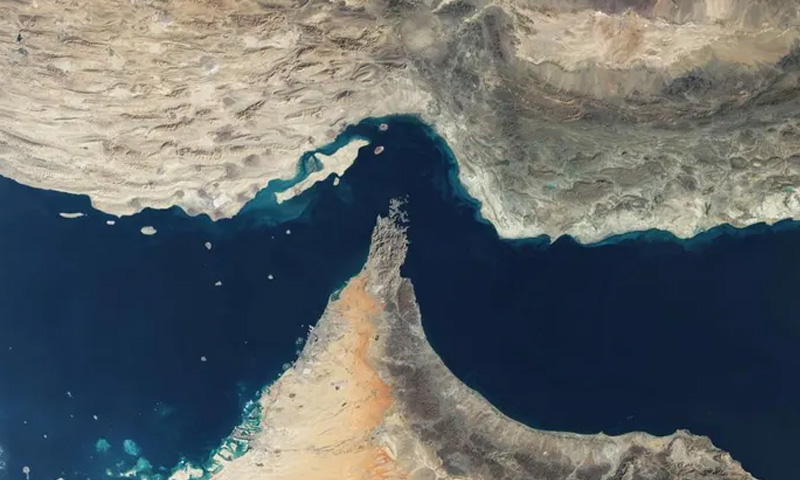
Pakistan has once again emerged as a crucial diplomatic player, helping to ease one of the world’s most pressing crises. In a groundbreaking move, Iran has agreed to allow 20 Pakistani-flagged vessels to transit the Strait of Hormuz, marking a significant step towards regional stability and economic recovery.
This decision, announced by Pakistan’s Deputy Prime Minister and Foreign Minister Ishaq Dar, comes amidst the ongoing US-Israel conflict with Iran, which has severely disrupted global oil and gas shipments through the strait, a vital artery for international trade.
The deal, which permits two Pakistani ships to cross the Strait daily, is being hailed as a major diplomatic breakthrough, signaling a potential thaw in relations and a step towards de-escalating tensions in the region. In his announcement, Dar described the agreement as “a harbinger of peace,” emphasizing its importance not just for Pakistan, but for global stability. He also highlighted the diplomatic efforts behind the deal, noting that it was a positive and constructive gesture from Iran that could pave the way for further peace initiatives.
This move follows intense diplomatic efforts from Islamabad, which has been actively working behind the scenes to mediate between Tehran and the West. Pakistan’s efforts have included high-level discussions with US President Donald Trump, Iranian officials, and Turkish counterparts, positioning the country as a potential mediator in the broader conflict. Pakistan’s unique role as a neutral intermediary is becoming increasingly significant, with Islamabad facilitating back-channel communications and offering itself as a venue for peace talks between the US and Iran.
Pakistan’s proactive diplomacy is accentuated by the visit of foreign ministers from Saudi Arabia, Turkey, and Egypt, all of whom are arriving in Islamabad for critical discussions aimed at reducing regional tensions. These talks will also focus on strengthening diplomatic, economic, and security ties between the countries involved, with Pakistan’s central role in facilitating dialogue and peace in the region becoming increasingly apparent.
The timing of these developments is crucial, as the war between the US and Israel on one side, and Iran on the other, continues to disrupt global markets. The Strait of Hormuz, through which 20 per cent of the world’s liquefied natural gas and a quarter of seaborne oil pass, has been effectively shut down, sending oil prices skyrocketing and causing significant strain on global supply chains. With over 2,000 vessels stranded on either side of the waterway, the economic impact has been devastating, driving up fuel prices worldwide and exacerbating global trade disruptions.
In the face of these challenges, Pakistan’s diplomatic leadership stands out. The country’s ability to broker this agreement with Iran not only showcases its growing influence but also sheds light on its commitment to peace and stability in a region long plagued by conflict. With these developments, Pakistan has positioned itself at the heart of regional diplomacy, playing a key role in shaping the future of Middle Eastern and global security.
You May Also Like