- WEB DESK
- October 18, 2026
Dar, IAEA Chief discuss regional tensions, agree on Islamabad MoU implementation
-

- WEB DESK
- September 15, 2026
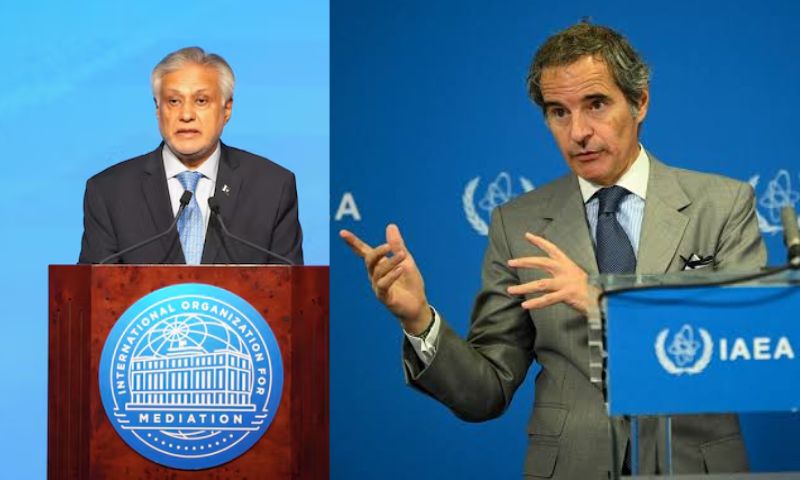
Deputy Prime Minister and Foreign Minister Ishaq Dar held a telephone conversation with International Atomic Energy Agency (IAEA) Director General Rafael Grossi on Tuesday to discuss the evolving situation in the region.
According to a statement shared on Foreign Office’s X account, Dar and Grossi agreed that implementing the Islamabad Memorandum of Understanding (MoU) would be the best way to help reduce tensions in the region.
Grossi also offered to provide technical assistance if required, the spokesperson said.
“DPM/FM reaffirmed Pakistan’s enduring commitment to advancing the purposes and principles of the UN Charter and to respecting international law and treaties,” the statement read.
The importance of the UN system in pursuing the global agenda for peace and development was also stressed. Dar conveyed his best wishes to Grossi for his candidature for the post of United Nations secretary general.
Houthis launch fresh attacks on Saudi Arabia as Hormuz talks stall
Yemen’s Iran-aligned Houthis launched another wave of missile and drone attacks against Saudi Arabia while strengthening their positions along Yemen’s western Red Sea coast, Yemeni officials said on Tuesday. According to Reuters, the escalation comes as Gulf Arab states postponed planned talks with Iran over reopening the Strait of Hormuz, increasing fears that the wider Middle East conflict could threaten global energy supplies.
The Houthis said they fired dozens of missiles and drones at a military airbase in Khamis Mushait, southern Saudi Arabia, targeting aircraft hangars, radar equipment, runways and ammunition depots. They described the strikes as retaliation for Saudi airstrikes in Yemen. Saudi authorities issued emergency warnings in several southern cities, while the Saudi-led coalition said 13 civilians were wounded.
The Houthi advance has added pressure on Saudi oil exports. The group recently seized Perim Island near the Red Sea entrance, while an attack last week disabled Saudi Arabia’s east-west oil pipeline. Riyadh blamed the pipeline strike on Iran-backed militias in Iraq.
The 1,200-kilometre pipeline was built to provide an alternative route for exporting Gulf oil when the Strait of Hormuz is threatened. Traders estimate that a prolonged shutdown could disrupt up to 4% of global oil supplies while the strait remains largely blocked.
Saudi and Yemeni forces have intensified airstrikes against Houthi positions, including near the Red Sea port of Mocha. However, officials say the Houthis still control most of Yemen’s western coastline.
The renewed fighting also presents a challenge for U.S. President Donald Trump, whose administration has so far resisted Saudi requests for direct military intervention beyond intelligence assistance.
You May Also Like

- WEB DESK
- October 17, 2026