- Web Desk
- 25 Minutes ago
FPCCI and Ipsos launch Pakistan’s first transparency and accountability index
-

- Web Desk
- Feb 03, 2026
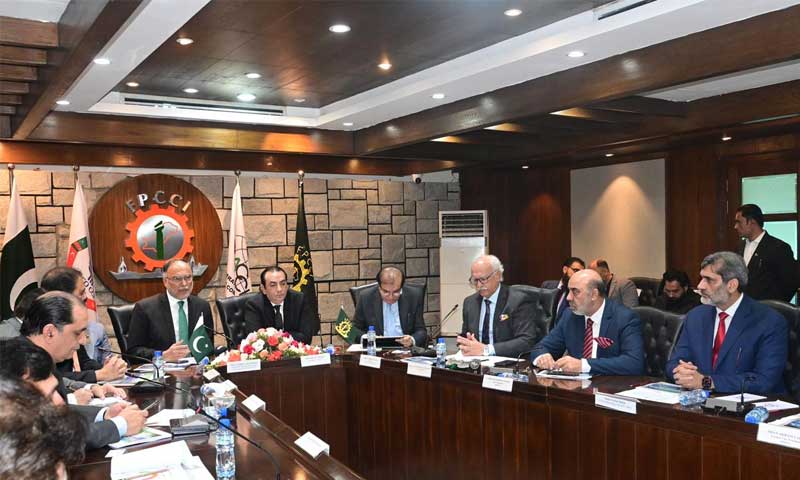
WEB DESK: The Federation of Pakistan Chambers of Commerce and Industry (FPCCI), in partnership with Ipsos, officially launched Pakistan’s first homegrown survey, the Index of Transparency and Accountability in Pakistan (iTAP), at a ceremony held at FPCCI Capital House, Islamabad.
Federal Minister for Planning, Development and Special Initiatives Ahsan Iqbal served as the chief guest, while FPCCI President Atif Ikram Sheikh and Chairman of the FPCCI Policy Advisory Board Mian Zahid Hussain, SI, also addressed the audience.
A Benchmark for Governance
Conceived in May 2025, iTAP aims to provide a recurring, nationally representative benchmark for assessing transparency and accountability in Pakistan. The field survey, conducted from December 25, 2025, to January 26, 2026, offers insights into public trust in government and institutions. Early findings indicate that, despite negative perceptions, the majority of citizen interactions with public institutions are reported to be corruption-free.
Driving Reform Through Data
Speaking at the launch, Federal Minister Ahsan Iqbal lauded FPCCI for highlighting transparency and accountability as critical national issues. He emphasised that good governance relies on these principles to ensure citizen satisfaction, a business-friendly environment, investor confidence, and sustainable development. The Minister also noted the gap between public perceptions and actual experience, stressing that addressing this divide is essential for national progress.
He praised public institutions that have earned citizen trust through improved service delivery and expressed confidence that iTAP, if consistently tracked, could serve as a powerful monitoring and reform tool, reinforcing the principle that “what gets measured gets improved.”
The iTAP initiative is expected to become a vital instrument for promoting transparency, building public trust, and enhancing Pakistan’s governance and investment landscape. The event was attended by representatives from the public and private sectors, civil society, academia, and the media.
You May Also Like