- Web Desk
- 4 Minutes ago
From Cooco’s Den to painting Shahi Mohalla: Lahore’s Iqbal Hussain passes away
-

- Web Desk
- Jan 23, 2026
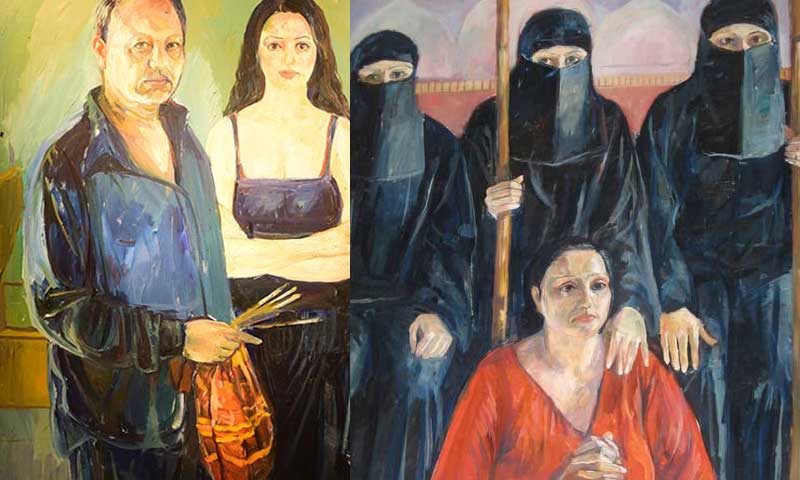
WEB DESK: Renowned Pakistani artist Iqbal Hussain, whose bold and deeply human work documented life inside Lahore’s historic red-light district, passed away on January 22, 2026. He was widely regarded as one of the country’s most uncompromising and influential painters, known for portraying subjects long pushed to the margins of polite society.
Born and raised in Heera Mandi, Hussain remained rooted in the neighbourhood throughout his life, drawing artistic inspiration from its people, streets and unvarnished realities. His death marks the end of an era in Pakistani art, one defined by fearless honesty and emotional depth.
Painting the lives others refused to see
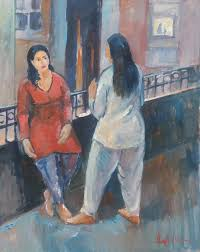
After graduating from the National College of Arts (NCA) in 1974, Hussain devoted his career to painting the women of his community, courtesans whose lives were often reduced to stigma and silence. Using a restrained palette and diffused light, his canvases captured not glamour but quiet resilience, fatigue and humanity.
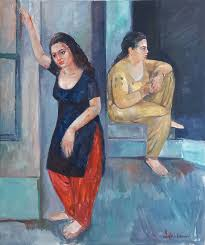
Hussain’s approach was unapologetic yet deeply sensitive. He neither sensationalised nor moralised his subjects, instead presenting them as they were, complex individuals shaped by circumstance rather than caricatures of vice.
Defiance, rejection and international recognition
Hussain’s work frequently unsettled conservative audiences. In one defining moment, his paintings were barred from exhibition at Lahore’s Alhamra Gallery. In response, he displayed them on the pavement outside, an act that became a landmark moment in Pakistan’s art history and later propelled him onto the international stage.
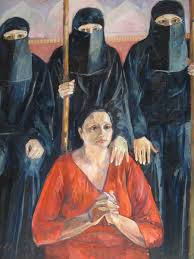
Despite global acclaim and his tenure as a professor at NCA, social prejudice linked to his background continued to shadow him, a contradiction that remained a source of personal pain.
Cocoo’s Den and a living archive of memory
Affectionately known as “Cuckoo,” Hussain also founded Cocoo’s Den, the first restaurant on Lahore’s Food Street, housed in an old haveli overlooking the Walled City. The space doubled as a living gallery, its walls adorned with his haunting portraits, artefacts and personal memorabilia, turning the restaurant into a cultural landmark.
A legacy rooted in truth
In later years, Hussain became increasingly reclusive following health complications, including a brain haemorrhage. Yet his artistic legacy endured, with proceeds from his work reportedly used to support ageing and unemployed women from his neighbourhood.
Iqbal Hussain’s art remains a powerful affirmation of life, an unfiltered mirror held up to society. In chronicling the imprisoned souls of Lahore’s hidden quarters, he ensured they would not be forgotten.
Friends and fans remember Hussain
You May Also Like