
- Reuters
- October 27, 2026
G7 leaders convene in France as US-Iran truce reshapes global agenda
-

- Reuters
- June 15, 2026
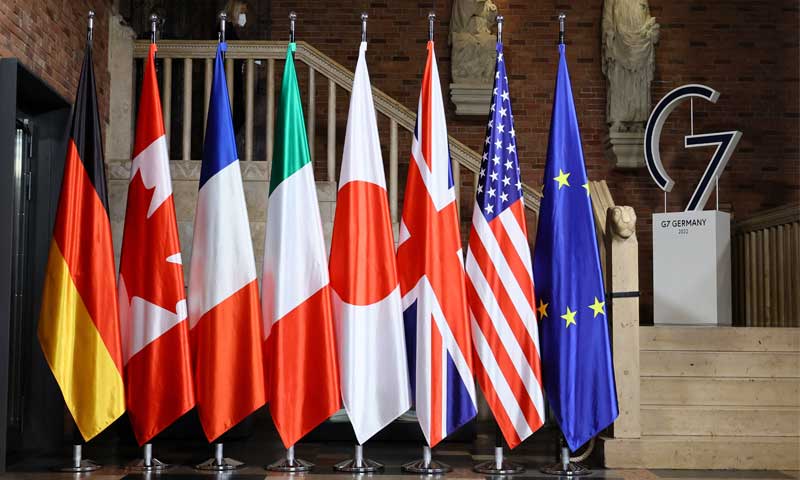
EVIAN-LES-BAINS: Leaders of the Group of Seven (G7) nations gathered in the French resort town of Evian-les-Bains on Monday for a three-day summit overshadowed by a newly announced agreement between the United States and Iran aimed at ending months of conflict.
The summit, running from June 15 to 17, is expected to focus on the implications of the breakthrough between Washington and Tehran, while also addressing the war in Ukraine, global economic challenges and efforts to reduce dependence on China for critical mineral supplies.
The meeting comes at a time of growing uncertainty among Western allies regarding US foreign policy under President Donald Trump, whose recent decisions have significantly influenced developments in the Middle East, international trade and diplomatic relations.
Iran agreement dominates discussions
One of the key topics at the summit will be the emerging US-Iran agreement, details of which remain limited despite announcements by both sides that a preliminary understanding has been reached.
A formal memorandum is expected to be signed in Switzerland later this week. However, negotiators have yet to disclose the full scope of the arrangement.
Trump said the agreement would result in the reopening of the Strait of Hormuz, a crucial maritime route for global energy shipments that has faced major disruptions during the conflict. He also announced the lifting of US restrictions on Iranian ports.
Iranian authorities indicated that military operations across multiple fronts would cease permanently beginning Monday night. Tehran has also signalled that broader negotiations will continue during a proposed 60-day ceasefire period, with issues such as sanctions relief and the future of Iran’s nuclear programme expected to feature prominently in subsequent talks.
Regional actors, including the United Arab Emirates as well as mediators Qatar and Egypt, are also participating in discussions linked to the summit.
Ukraine seeks continued backing
The conflict in Ukraine remains another major issue on the G7 agenda. Ukrainian President Volodymyr Zelenskiy is scheduled to attend meetings and hold talks with world leaders, including Trump.
Kyiv is expected to seek additional military and financial assistance from its partners as the war with Russia continues. Although recent Russian advances have slowed, Ukrainian officials remain focused on securing long-term support from allies.
Analysts note that Ukraine’s diplomatic position has strengthened compared with last year, though questions remain over the extent of future US commitment as Washington shifts attention toward developments in the Middle East.
Macron aims to leave diplomatic mark
For French President Emmanuel Macron, the summit represents one of the final major international gatherings of his presidency before his term concludes next year.
Despite facing political challenges at home, Macron has sought to use France’s G7 presidency to advance discussions on global economic imbalances. French officials argue that sustainable growth requires coordinated action among major economies, pointing to what they describe as excessive production in China, high consumption in the United States and insufficient investment across Europe.
To broaden the conversation, France has invited several non-G7 countries, including Brazil, India, Kenya and South Korea, to participate in selected discussions.
Macron is also expected to host leaders at a high-profile dinner at the Palace of Versailles later this week, underscoring France’s effort to position itself at the centre of international diplomacy during a period of significant global change.
You May Also Like


- WEB DESK
- October 27, 2026
Punjab govt moves to provide life insurance cover to employees
- AFP
- October 27, 2026