- Web
- 9 Hours ago
Gilgit-Batlistan tourism defies war fears, applications for adventure permits spike
-

- Web Desk
- 3 Minutes ago
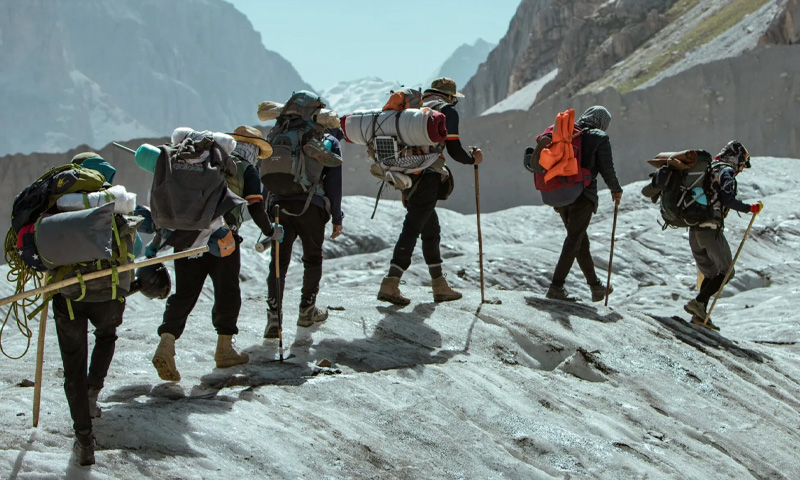
Tourism in Gilgit-Baltistan is showing strong recovery, even though earlier concerns suggested that the ongoing conflict in the Middle East and rising fuel costs might hurt the region’s travel and hospitality sector.
Contrary to these fears, both international and local tourist numbers have increased significantly, said a news report by Dawn News on Sunday. Officials from the Gilgit-Baltistan tourism department report that requests from foreign adventure travelers for trekking and climbing permits have already exceeded last year’s totals.
Although the main tourist season typically begins in May, visitors also arrive earlier to witness the spring blossom period, which peaks in late April.
Despite geopolitical tensions linked to the US-Israel conflict involving Iran and higher fuel prices, tourist activity in Skardu has risen notably since Eidul Fitr. Large numbers of visitors, both domestic and international, are currently exploring popular destinations across the region.
Foreign visitors traveling to open areas do not need permits, but those planning to trek or climb in restricted zones must obtain prior approval from the tourism department. Travelers from countries like Japan, Thailand, Indonesia, and Malaysia are especially drawn to the area during spring.
Access to Skardu remains convenient, with regular flights operating from Islamabad, Lahore, and Karachi, and the Karakoram Highway in good condition for road travel.
Pakistan is home to five of the world’s fourteen peaks taller than 8,000 meters, including K2, Nanga Parbat, Gasherbrum I, Broad Peak, and Gasherbrum II, making the region a major attraction for mountaineers.
In summer 2024, the region hosted around 2,200 foreign adventure tourists, 24,000 other foreign visitors, and nearly one million domestic tourists. However, last year saw a drop in numbers due to climate-related disasters and tensions along the Pakistan-India border, with about 2,000 permits issued for climbing and trekking.
According to officials concerned, so far this year, over 1,000 permit applications have been received, compared to 850 by the same time last year, and more are expected in the coming months. Local authorities and business owners also confirm the uptick in tourism.
Earlier, industry experts had worried that the Middle East conflict would discourage travel, especially after some countries, including the UK, issued advisories against visiting the region. Tensions had escalated following the US-Israel attack on Iran and the killing of Iran’s Supreme Leader, Ayatollah Khamenei, which led to protests and security incidents in Gilgit and Skardu, resulting in over 20 deaths.
You May Also Like