- Web Desk
- 46 Minutes ago
Global crude oil prices surge to multi‑year highs amid Middle East tensions
-

- Web Desk
- 2 Minutes ago
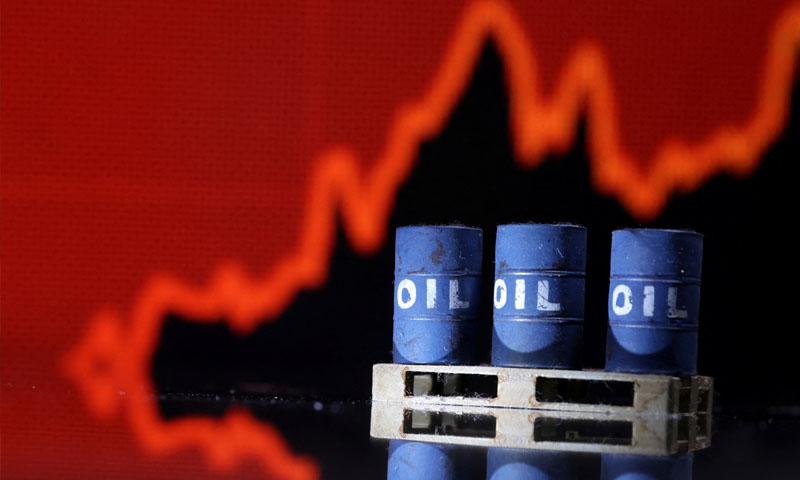
DUBAI/LONDON: Global crude oil prices climbed sharply on Friday, reaching levels not seen in roughly two years, as escalating conflict in the Middle East raised concerns over supply disruptions and sent ripples through energy and financial markets.
Brent crude, the international oil benchmark, rose above $90 per barrel for the first time since April 2024, while US West Texas Intermediate (WTI) futures also rallied strongly, reflecting widening fears that prolonged instability could choke flows through the Strait of Hormuz, a critical conduit for roughly 20 per cent of the world’s oil supply.
The surge marked one of the biggest weekly gains since early 2020, with Brent up more than 15 per cent over the week and WTI advancing close to 20 per cent, traders said.
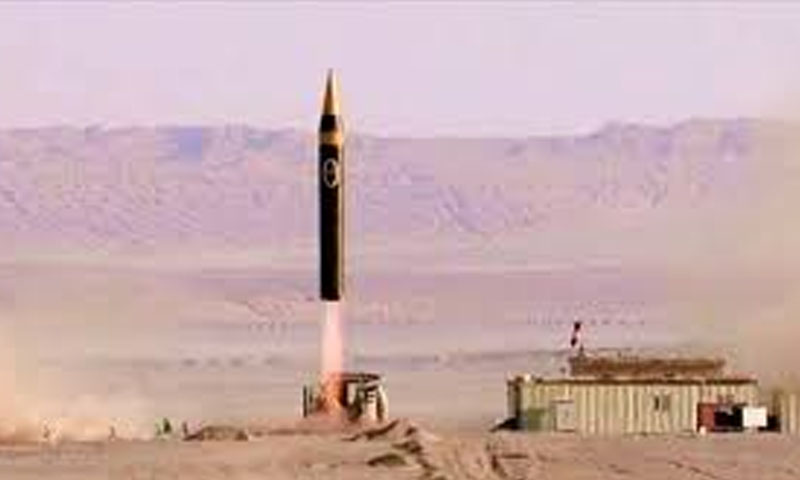
Markets were reacting to increased hostilities involving major regional players and supply disruptions, including reports of attacks on energy infrastructure and reduced tanker traffic.
“The situation in the Middle East remains highly fluid and is weighing on global energy markets,” said a Singapore‑based commodities trader.
“Supply concerns are driving crude prices higher as participants factor in the risk of prolonged disruption around the Strait of Hormuz.”
The advance came despite efforts by some countries to stabilise markets; a US Treasury waiver allowing Indian refiners to import Russian crude provided temporary relief earlier in the week, but prices quickly reversed course as hostilities escalated.
Investors also reacted nervously in financial markets. US stock indexes slid sharply on Friday as oil’s relentless rise stoked fears of inflation and slower economic growth, with the Dow Jones Industrial Average falling nearly 800 points in volatile trading.
Natural gas prices were also higher, reflecting broader energy market pressures, and analysts warned that continued volatility in crude markets could feed through to higher fuel costs for consumers and tighter inflationary pressures globally.
Energy ministers in the Gulf have signalled that oil prices could climb further if the conflict persists, with some suggesting that benchmarks could reach well above current levels if key exporters were forced to curtail output.
Underpinning the rally are deepening concerns over supply chains and logistical bottlenecks on major export routes. Traders said that even if military tensions ease, the risk premium being priced into crude futures is likely to keep prices elevated in the near term.
Oil markets will remain in focus next week as traders monitor developments in the Middle East and adjust positions based on evolving geopolitical risks.
You May Also Like