- Web
- 1 Hour ago
Global energy fears as Chinese shipping giant suspends gulf services
-

- Web Desk
- Mar 05, 2026
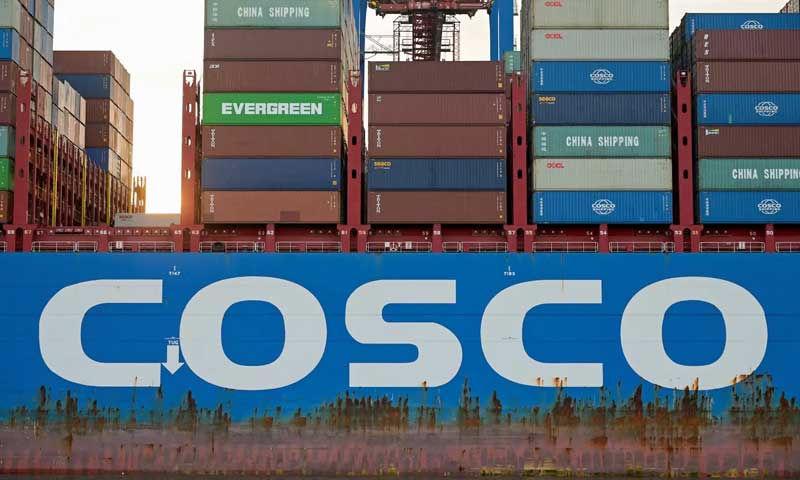
WEB DESK: The global maritime trade network suffered a fresh jolt today after COSCO Shipping, China’s state-owned shipping giant, announced a complete suspension of services passing through the Strait of Hormuz. The Shanghai-based carrier said it would immediately stop accepting all new bookings linked to routes that require transit through the vital waterway, citing the worsening security environment across the Middle East.
According to Dawn News, the decision effectively shuts one of the most important energy corridors for the company’s extensive tanker and container operations. Several Gulf states will feel the impact most directly. Direct shipping routes to Iraq and Kuwait have been halted, while services to ports in the United Arab Emirates and Saudi Arabia that depend on passage through the strait have also been suspended. Bookings to Bahrain and Qatar have likewise been paused until further notice.
Cosco’s move follows similar decisions by major European shipping lines, including Maersk and Mediterranean Shipping Company, signalling growing concern among global carriers about the safety of navigation in the region.
Limited alternatives and supply chain risks
Despite the sweeping restrictions, several ports remain accessible because they lie outside the Hormuz chokepoint. The Red Sea port of Jeddah in Saudi Arabia continues to operate normally, while the UAE ports of Khor Fakkan and Fujairah remain viable logistics hubs due to their position on the Gulf of Oman.
Nevertheless, analysts warn that the withdrawal of one of the world’s largest shipping lines from the route could significantly strain regional supply chains. With fewer vessels willing to enter the Gulf, insurance costs for tankers are expected to surge, while cargoes may face delays as operators search for longer and more expensive alternative routes.
Given that a substantial share of the world’s oil exports moves through the Strait of Hormuz each day, prolonged disruption could ripple far beyond the Middle East, potentially tightening global energy markets and unsettling international trade flows.
You May Also Like