- Web Desk
- 18 Minutes ago
Global shares climb as investor nerves ease ahead of US-Iran talks; oil heads for weekly drop
Global equity markets moved higher on Friday as investor sentiment improved ahead of anticipated talks between the United States and Iran, with hopes rising that tensions in the Middle East may begin to de-escalate.
European stocks were on track for a third consecutive week of gains, while Asian markets posted their strongest weekly performance in over three years. The rally followed signals that Israel was open to negotiations with Lebanon, fuelling optimism that broader regional hostilities could ease and critical energy routes might reopen.
The pan-European STOXX index rose 0.6 per cent, led by gains in healthcare and technology sectors. Meanwhile, Wall Street futures held steady after the S&P 500 extended its winning streak to seven sessions on Thursday, reflecting a broader easing of market anxiety.
Analysts noted that financial stress indicators have begun to stabilise, with volatility gauges returning to pre-conflict levels, a sign that investors are cautiously regaining confidence. Market participants are increasingly betting that upcoming diplomatic engagements, including talks scheduled in Pakistan, could mark a turning point in the crisis.
Oil markets remain volatile despite weekly decline
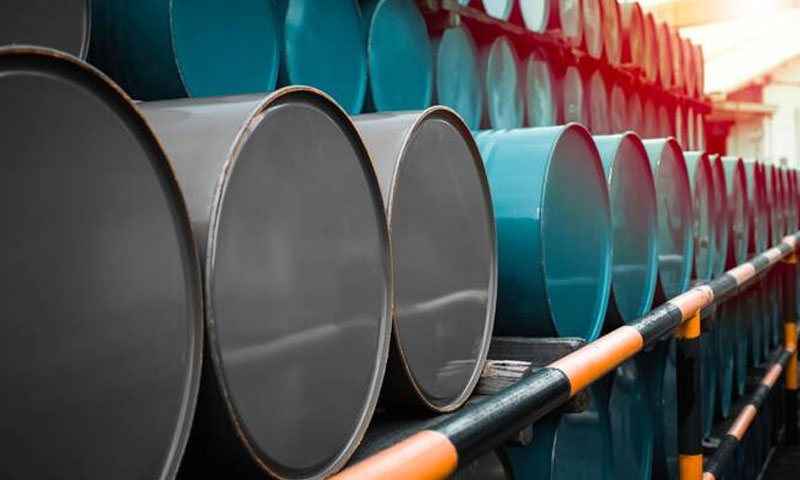
Despite the improved mood in equity markets, oil prices continued to reflect underlying uncertainty. Brent crude rose about 1pc on the day to hover near $97 per barrel, although it remained on course for a steep weekly drop of roughly 11pc, its sharpest decline since mid-2025.
The Strait of Hormuz, a critical artery for global energy supplies, remained largely closed, with shipping volumes reported at less than 10pc of normal levels. Iran has maintained control over the passage, linking its reopening to broader ceasefire conditions.
US President Donald Trump also weighed in, warning Tehran against imposing tolls on vessels transiting the strait, adding another layer of tension to an already fragile situation.
Dollar weakens as inflation concerns loom
In currency markets, the US dollar was set for its worst weekly performance since January, declining around 1.3pc against a basket of major currencies. The euro, although slightly lower on the day, remained above key technical levels, suggesting potential for further gains.
Investors are now closely watching upcoming US inflation data, which is expected to show a sharp rise in consumer prices, potentially the largest increase in nearly four years. Higher energy costs linked to the conflict, combined with lingering tariff effects, could dampen expectations for interest rate cuts in the near term.
Signs of inflationary pressure are also emerging globally. In China, factory-gate prices rose for the first time in over three years, highlighting the broader economic ripple effects of the ongoing conflict.
Meanwhile, bond markets reflected cautious positioning, with US Treasury yields edging higher and German bond yields set for a weekly increase despite recent volatility.
Overall, while markets are showing signs of recovery, uncertainty surrounding geopolitical developments and economic data continues to keep investors on edge.
You May Also Like