- Web
- Feb 05, 2026
Gold price goes up in Pakistan after three days of decline
-

- Web Desk
- Dec 05, 2025
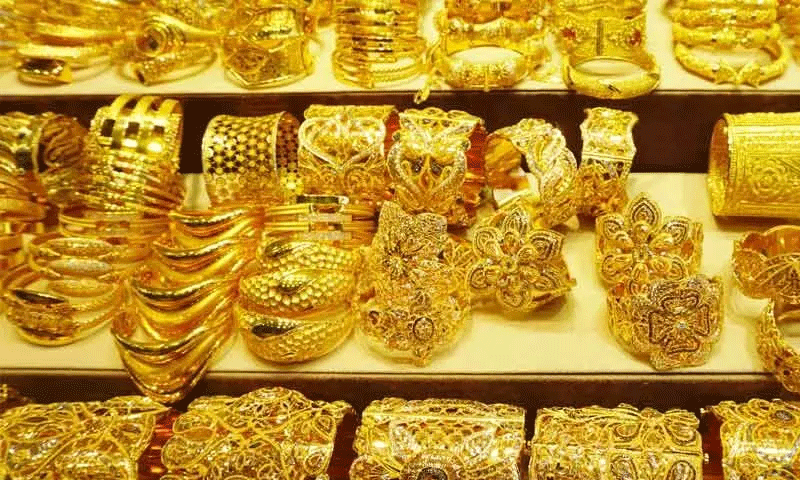
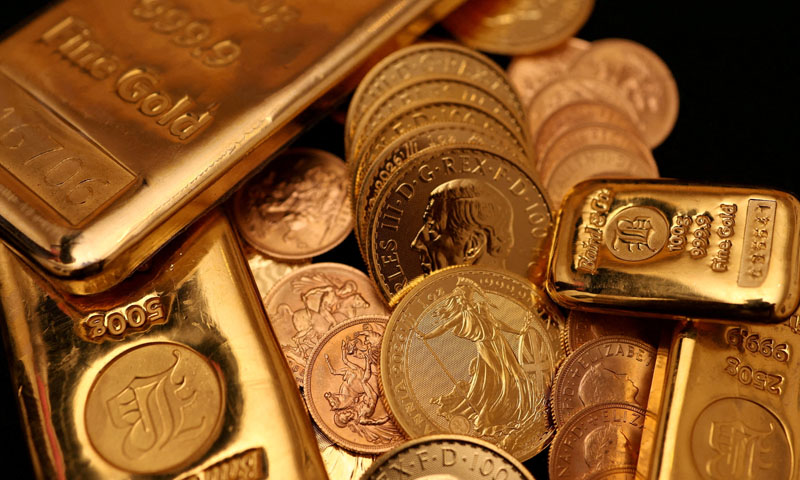
KARACHI: After three consecutive days of decline, gold prices recorded a sharp increase on Friday in both the international and domestic markets.
According to the All Pakistan Sarafa Association, the price of gold rose by Rs3,000 per tola, pushing the new rate to Rs444,462 per tola.
Similarly, the price of 10 grams of gold increased by Rs2,572, reaching Rs381,054.
In the international market, gold gained $30 per ounce, with the global price rising to $4,221 per ounce.
It is worth noting that the domestic market had seen a decline of Rs1,700 per tola just a day earlier.
Pakistan’s annual gold demand stands between 60 and 90 tonnes, valued at approximately $8 billion to $12 billion, but more than 90 per cent of this trade remains undocumented.
According to a Competition Commission of Pakistan (CCP) research report on the country’s gold market, 70 per cent of Pakistan’s gold demand is linked to weddings and social events.
Pakistan also relies heavily on gold imports. In the fiscal year 2024, the country imported gold worth $17 million. The nation’s official reserves stood at 64.76 tonnes by the end of 2025, valued at nearly $9 billion.
The report further states that the Reko Diq project could generate up to $74 billion in revenue over the next 37 years. At current prices, the project is expected to yield 10.79 million ounces of gold worth an estimated $54 billion.
However, the CCP warns that without immediate reforms in refining, hallmarking and regulatory practices, this valuable output may also fall into the informal sector.
The CCP noted that Pakistan’s gold market suffers from weak oversight, multiple institutional overlaps, poor implementation of hallmarking standards and high compliance costs, all of which contribute to smuggling and undocumented trade.
The suspension of SRO 760 has further destabilized the regulatory environment, creating obstacles for the export of gemstones and jewellery.
Gold trading in Pakistan remains concentrated in major cities such as Karachi and Lahore, and due to the absence of a transparent pricing mechanism, daily rates continue to depend largely on trader associations.
The CCP recommends establishing a unified regulatory authority, making hallmarking mandatory, adopting modern digital tracking systems such as blockchain technology and introducing a gold banking framework to formalise household gold.
It also stresses the need to align tax policies, labour regulations and data governance with international standards.
You May Also Like