- Reuters
- 20 Minutes ago
Government keeps petrol, diesel prices unchanged
-

- Web Desk
- Now
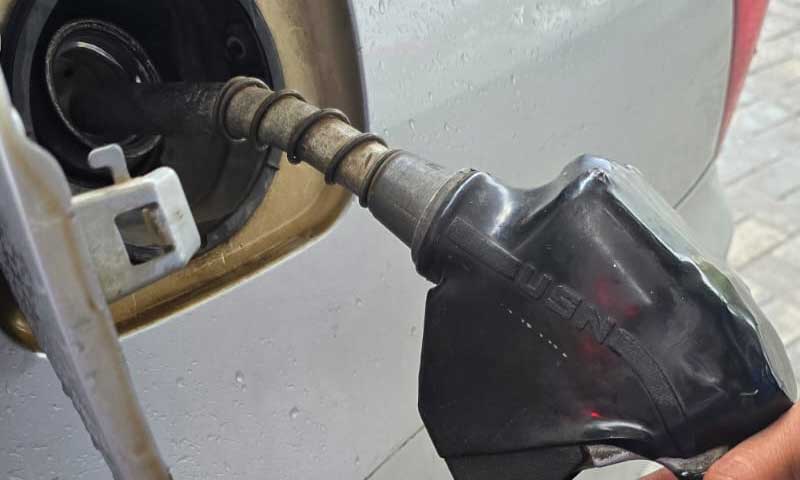
The federal government has decided to keep petrol and high-speed diesel prices unchanged for the latest pricing period, as international oil markets remained relatively stable following the easing of tensions between the United States and Iran.
According to a notification issued by the Petroleum Division, the price of petrol will remain at Rs299.50 per litre, while high-speed diesel will continue to be sold at Rs311.47 per litre until the next review.
The decision comes a week after the government announced sharp reductions in fuel prices last week, lowering petrol by Rs74 per litre and high-speed diesel by Rs67 per litre after global crude prices declined in the wake of the US-Iran Islamabad Memorandum of Understanding, which brought an end to months of conflict.
The war, which disrupted shipping through the Strait of Hormuz, a key global oil transit route, had pushed up international crude prices and increased import costs for countries heavily reliant on imported fuel, including Pakistan.
With the de-escalation of hostilities and improved stability in global energy markets, oil prices have eased, allowing Pakistan to maintain domestic fuel prices without further adjustments.
Last week, Prime Minister Shehbaz Sharif said the government was passing on the benefit of lower international oil prices to consumers, adding that the relief reflected its commitment to supporting the public during a period of economic uncertainty.
Despite concerns over regional energy supplies during the conflict, Pakistan avoided widespread fuel shortages and rationing.
Throughout the crisis, the government sought to cushion consumers from the impact of rising global oil prices by absorbing part of the increased cost through fiscal adjustments and expenditure controls.
You May Also Like