- Web Desk
- Mar 31, 2026
Government plans net metering rate cut amid solar panel usage
-

- Web Desk
- Apr 26, 2024
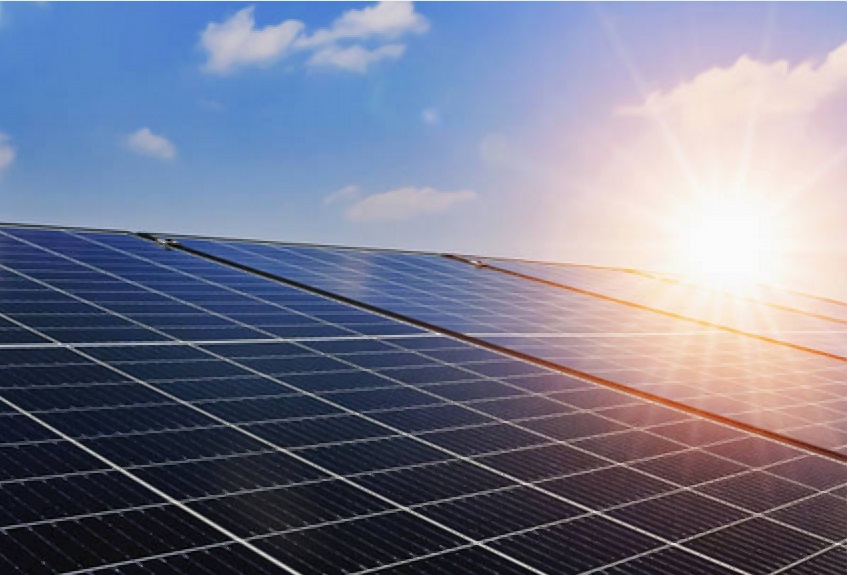
ISLAMABAD: The government is preparing to decrease net metering rates in response to the widespread installation of solar panels across the country.
According to sources, consumers currently receive Rs21 per unit through net metering, but the government is contemplating reducing this rate to Rs11 per unit. The reduction would mean a decrease of Rs10 per unit for consumers.
Read more: Pakistan strikes solar power deal with Chinese firm
The surge in solar panel installations has disrupted the government’s plan to manage capacity charges. As more people and businesses install solar panels, the financial burden of electricity charges is shifting to poorer consumers.
Solar panel installers are recovering their investment costs within just one and a half years. The government aims to extend the recovery period for solar panel installations to ten years to alleviate this issue.
As of now, Pakistan has imported solar panels capable of generating 6,000 megawatts of electricity, with solar energy production reaching 3,000 megawatts.
Read more: Solar energy project approved for low income groups
The proposed cut in net metering rates aims to balance the financial impact of solar panel installations across various consumer groups. However, this move may face resistance from consumers benefiting from the current net metering rates.
Solar energy consumption in Pakistan grew significantly since 2013. It was driven mostly by government policies supporting renewable sources of energy. According to source, almost seven solar projects across the country provide almost 530 megawatt to the country.
Former initiatives at green energy attempts include an attempt to electrify 7,000 villages in the country with solar energy. The government removed almost 17 per cent from sales tax on solar panels in 2022.
Pakistan aims for over 20 per cent of its electricity to come from renewable sources by 2025. The government has offered incentives such as net metering and feed-in tariffs to entice the public to switch to solar panels.
You May Also Like