- WEB DESK
- September 20, 2026
Govt exits electricity purchase as first 400MW wheeling auction begins
-

- WEB DESK
- September 20, 2026
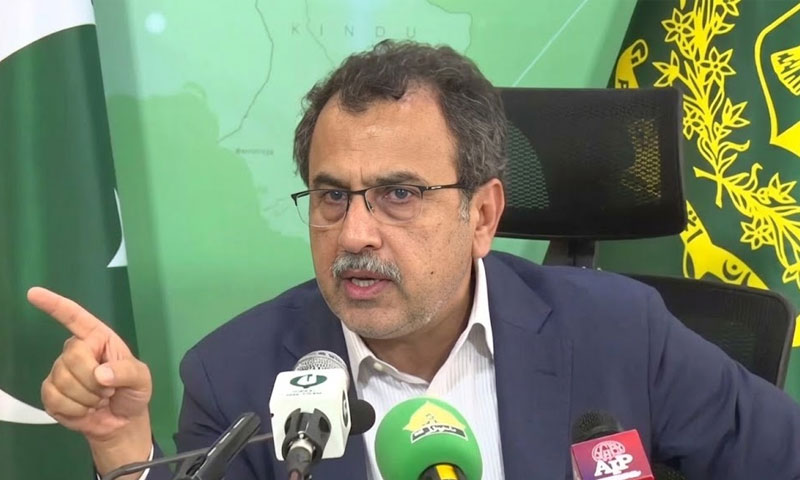
ISLAMABAD: The government has effectively stepped out of electricity procurement as Pakistan begins the transition from a single-buyer model to a competitive electricity market, Federal Minister for Energy Awais Ahmad Khan Leghari said on Sunday.
The Power Division has issued a Request for Proposals (RFP) for Pakistan’s first electricity wheeling auction under the Competitive Trading Bilateral Contract Market (CTBCM), with 400 megawatts of electricity to be auctioned in the first phase.
The government has approved a total 800MW of demand for allocation through competitive auctions over the coming years, according to the framework approved by the National Electric Power Regulatory Authority (Nepra). The auction process will be administered and overseen by the Independent System and Market Operator (ISMO).
Under the new arrangement, eligible industrial and large consumers will be able to purchase electricity directly from power producers through bilateral contracts, using the national transmission and distribution network to wheel the electricity to their facilities.
Speaking at the launch of the auction process, Leghari congratulated Prime Minister Shehbaz Sharif and the nation, saying the government had historically purchased electricity under a single-buyer arrangement and supplied it to consumers.
He said the government was now effectively withdrawing from the electricity purchase process, allowing power producers and consumers to transact directly.
“Today, the government is practically exiting the electricity purchase process,” Leghari said, according to the Power Division.
He said neither party would be compelled to sell electricity to the government or for the government to purchase electricity under the new competitive arrangement.
The minister said the new system would initially apply to industrial and large electricity consumers, with consumers using more than 1MW eligible to participate in the first phase.
The move is intended to gradually replace Pakistan’s traditional single-buyer model with a market-based system in which consumers can choose among competing power suppliers. The framework provides for open and non-discriminatory access to the transmission network under CTBCM.
Nepra approved the regulatory framework and wheeling auction process earlier this year, while amendments to the process were approved in September. Nepra’s September 2026 decisions also provided the regulatory basis for the competitive wheeling arrangement, including the applicable use-of-system charges.
The auction process provides for an aggregate wheeling quantum of 800MW, which can be allocated through annual competitive auctions. The first auction will cover a 400MW block.
The government has said the shift is aimed at introducing greater competition in electricity procurement, providing industrial consumers with access to alternative suppliers and improving efficiency and transparency in the power market.
Leghari said the availability of cheaper electricity would help Pakistani industries remain competitive in international markets and improve their ability to export.
He said a formal electricity market would gradually emerge in Pakistan, with the possibility of extending competitive electricity purchasing to a wider range of consumers in the future.
The Power Division has described the transition as a major power-sector reform, saying the government will not enter into further electricity procurement agreements and that competitive bidding for the approved 800MW quantum will be conducted transparently through ISMO.
The transition follows years of work on the CTBCM framework. Nepra’s records show that the regulator approved the CTBCM design in 2019 and subsequently worked on its implementation, including the licensing of ISMO and the development of the wheeling auction framework.
The reform is intended to move Pakistan’s electricity market progressively from the existing single-buyer structure towards bilateral contracting, where generators and eligible consumers can negotiate electricity purchases while using the existing grid infrastructure.