- WEB DESK
- October 25, 2026
Govt, PPP reach deal on budget, Balochistan to get larger development share
-

- Zafar Ali
- June 8, 2026
ISLAMABAD: The Pakistan Muslim League-Nawaz-led federal government and its key ally, the Pakistan People’s Party (PPP), have reached a deal on the upcoming federal development budget, with Balochistan set to receive the largest share.
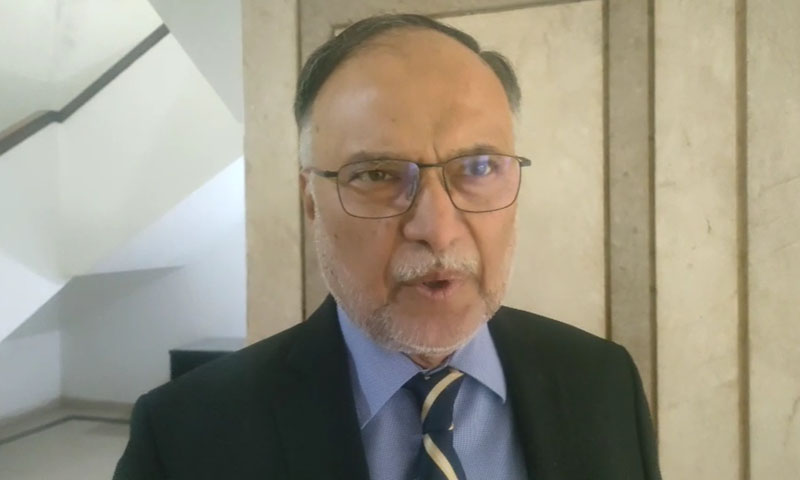
Federal Minister for Planning, Development, and Special Initiatives Ahsan Iqbal said on Monday that the two sides reached a consensus on the Public Sector Development Programme (PSDP) for the upcoming fiscal year.
Under the finalised framework, he said, the federal government will tilt its development expenditures significantly toward underdeveloped regions, with Balochistan taking the largest chunk, followed by Sindh and Khyber Pakhtunkhwa, while Punjab will receive the lowest allocation.
Iqbal said that the federal government will spend Rs265 billion on development initiatives in Balochistan, which includes major transport networks.
He said that Sindh will be allocated Rs195 billion for federal projects, while Khyber Pakhtunkhwa will receive Rs98 billion.
Punjab, the country’s most populous province, has been capped at the lowest share of Rs72 billion, he said.
Additionally, he said the federal government has earmarked Rs150 billion to be split contextually between Azad Jammu and Kashmir and Gilgit-Baltistan.
The agreement effectively unlocks funding for several high-profile infrastructure projects that had been a point of friction between the coalition partners.
Ahsan Iqbal confirmed that the long-delayed Sukkur-Hyderabad Motorway will officially break ground this year with federal financial backing.
He said that the federal government will formally lock in capital allocations to expedite the Greater Karachi Bulk Water Supply Scheme, commonly known as K-IV, to address critical water shortages in Pakistan’s financial hub.
He said that the federal funding will also focus on the rehabilitation of regional highways, roads, and irrigation canals.
The breakthrough comes as the government faces tight fiscal constraints while preparing its annual budget, navigating strict spending curbs mandated by international lenders alongside the competing infrastructure demands of its political allies.
You May Also Like