Govt slashes petrol price by Rs4, diesel by Rs2 as global crude slides
-

- Sadia Basharat
- June 13, 2026
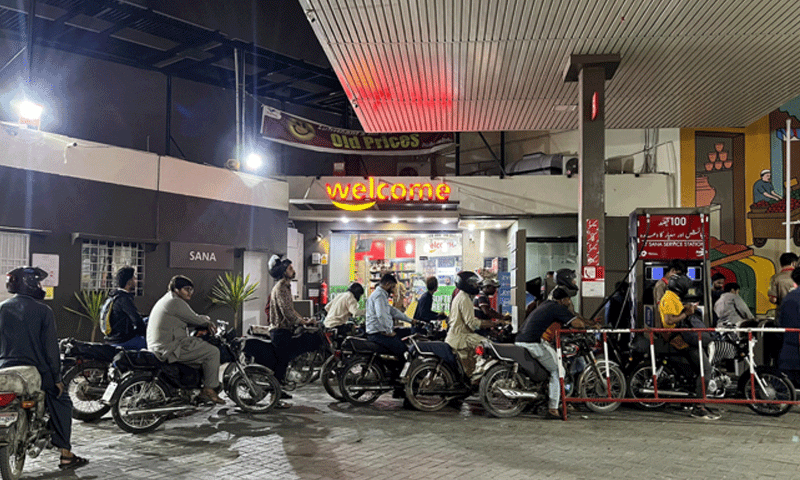

WEB DESK: The federal government on Friday announced a reduction in the prices of petroleum products for the upcoming week, slashing the price of petrol by Rs4 per litre and high-speed diesel (HSD) by Rs2 per litre, following a retreat in global oil prices.
The latest adjustment marks the fifth consecutive reduction in domestic fuel prices in recent weeks, providing much-needed relief to consumers after a series of sharp hikes driven by supply chain anxieties and geopolitical tensions.
According to a notification issued by the Ministry of Energy’s Petroleum Division, the new prices will take effect from June 13, 2026.
Following the revision, the ex-depot price of petrol has been reduced to Rs373.78 per litre from the previous Rs377.78. Meanwhile, the price of high-speed diesel has been scaled down to Rs378.78 per litre from Rs380.78.
The decision comes exactly a week after the government cut the price of petrol by Rs4 per litre while keeping the high-speed diesel rates unchanged.
Geopolitical easing drives global retreat
The domestic price relief is primarily attributed to a sharp downturn in international oil benchmarks. Brent crude futures plummeted to their lowest levels since early March, settling at $87.33 a barrel on Thursday a decline of $3.05, or 3.37pc.
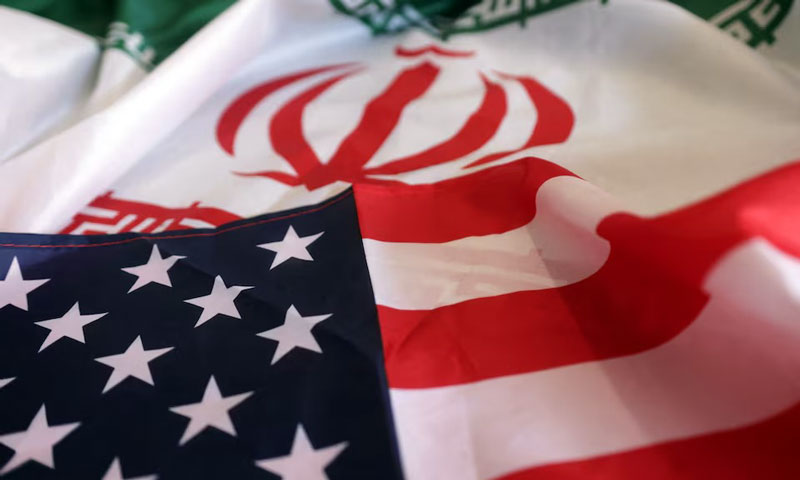
Market analysts note that the downward trajectory in global energy markets is fuelled by growing optimism surrounding an imminent diplomatic breakthrough between the United States and Iran.
Speculation of a deal has significantly eased fears of disruptions along the crucial Strait of Hormuz, a strategic maritime chokepoint responsible for the transit of nearly one-fifth of the world’s total petroleum consumption.
Earlier price hikes in Pakistan were heavily tied to these premium risks, as escalating maritime tensions threatened to choke off primary shipping channels and inflate insurance costs for crude shipments.
Economic implications and domestic impact
As an import-reliant economy, Pakistan remains acutely vulnerable to international energy shocks and maritime supply bottlenecks.
The frequent changes in domestic rates reflect this exposure; while the country traditionally adjusts fuel pricing on a fortnightly basis, the Ministry of Energy has increasingly resorted to weekly interventions to buffer the local market against extreme international volatility.
Fuel price adjustments are a critical economic indicator in Pakistan, carrying a strong multiplier effect. Changes in petroleum rates feed directly into public transport costs, freight charges, thermal electricity generation, and agricultural inputs.
The consecutive reductions are expected to slightly ease inflationary pressures, offering breathing room to both businesses and consumers, as fuel prices remain a primary driver of the broader consumer price index (CPI).
You May Also Like