
- Web Desk
- 14 Minutes ago
Govt updates identity card rules, adds QR codes for verification
-

- Web Desk
- Feb 26, 2026
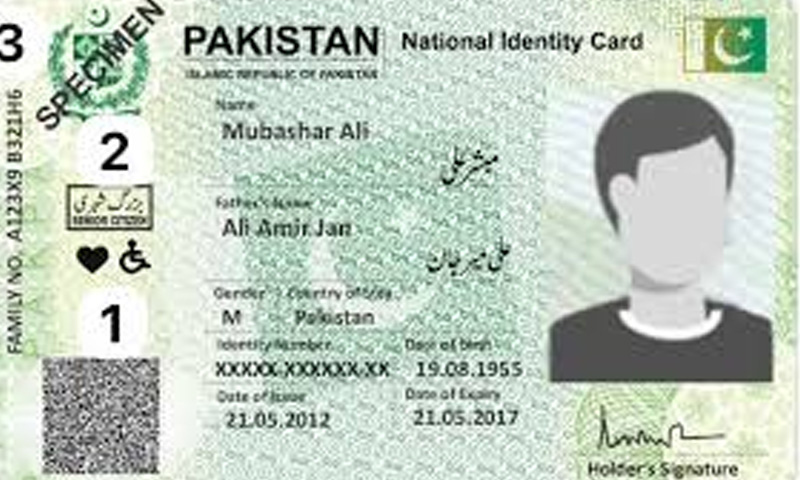
ISLAMABAD: The government has officially amended the National Identity Card Rules, 2002, and the Pakistan Origin Card Rules, 2002, introducing modernisation measures that include QR code-based verification, enhanced biometric authentication, and updated card formats for different citizen groups.
According to a statement from the National Database and Registration Authority (NADRA), the most significant change is the formal recognition of QR codes as a legal security and identity verification feature. These two-dimensional, machine-readable codes can store encoded information and allow fast, reliable identity checks when scanned.
The new regulations also give NADRA the flexibility to adopt emerging verification technologies, permitting the use of QR codes or other tech features in place of the existing microchip. This move provides a legal framework for both online and offline verification and aims to replace the current system where two types of ID cards, chip-based and non-chip cards, are in circulation.
By enabling QR-enabled ID cards, the amendments strengthen Pakistan’s Digital ID infrastructure and improve interoperability through the National Data Exchange Layer. QR codes allow frontline services to quickly validate identity attributes, while backend systems can confirm authenticity, enhancing efficiency, transparency, and fraud prevention across government agencies and regulated sectors.
The updated rules also reinforce enforcement measures. If a card is suspended, all linked authentication and verification services will immediately cease, preventing misuse through digital or institutional channels.
Biometric verification has also been modernised, explicitly recognising fingerprints and iris scans, providing a multi-modal identity verification system.
For citizen convenience, the amendments introduce a distinct card for senior citizens aged 60 and above, featuring a lifetime-validity designation. This change reduces renewal requirements and improves accessibility for elderly residents.
Additionally, the reforms standardise identification for residents of Azad Jammu and Kashmir, mandating the phrase “Resident of Azad Jammu and Kashmir” on their ID cards.
The updated rules also revise specimen formats for a wide range of cards, including those for overseas Pakistanis, children, persons with disabilities, organ donors, and combined categories. All formats now integrate QR codes and enhanced security layouts, creating a consistent, modern identity document system.
Overall, the amendments modernise Pakistan’s ID framework, strengthen digital authentication and biometric integrity, reduce fraud risks, and simplify citizen services. They also lay the groundwork for more integrated digital governance through improved interoperability and a robust Digital ID ecosystem.
You May Also Like