- Reuters
- October 6, 2026
US, Iran exchange fire in Gulf as Kuwait faces missile attack, Qatar summons envoy
-

- WEB DESK
- July 8, 2026
WEB DESK: The United States and Iran have exchanged direct military fire following maritime attacks in the Strait of Hormuz, ending a truce established last month.
This confrontation occurred while US President Donald Trump was attending a NATO summit in Turkey.
US strikes and Iranian counter-attacks
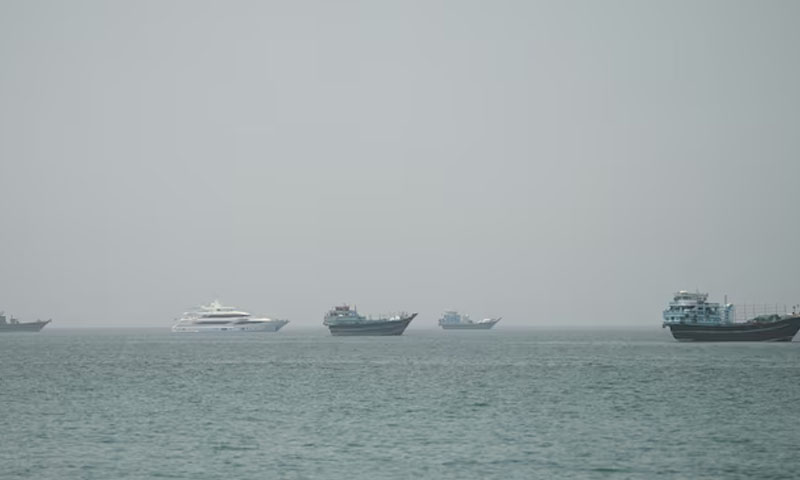
The escalation began when the US military launched strikes against targets inside Iran. Washington stated the action was a response to suspected Iranian attacks on three commercial vessels transiting the Strait of Hormuz.
US officials said the operation aimed to protect international shipping lanes, halting ongoing diplomatic talks that followed last month’s preliminary peace agreement. In an immediate military escalation, US Central Command (CENTCOM) forces launched a series of powerful strikes against targets in Iran, aiming to impose heavy costs for the attacks on commercial shipping.
US military officials stated the strikes were a direct response to the “unwarranted and dangerous” targeting of three commercial vessels crewed by innocent civilians in the international waterway.
Washington characterised Iran’s maritime aggression as a clear violation of the active ceasefire agreement, signaling a sharp transition from economic containment to active kinetic retaliation in the region.
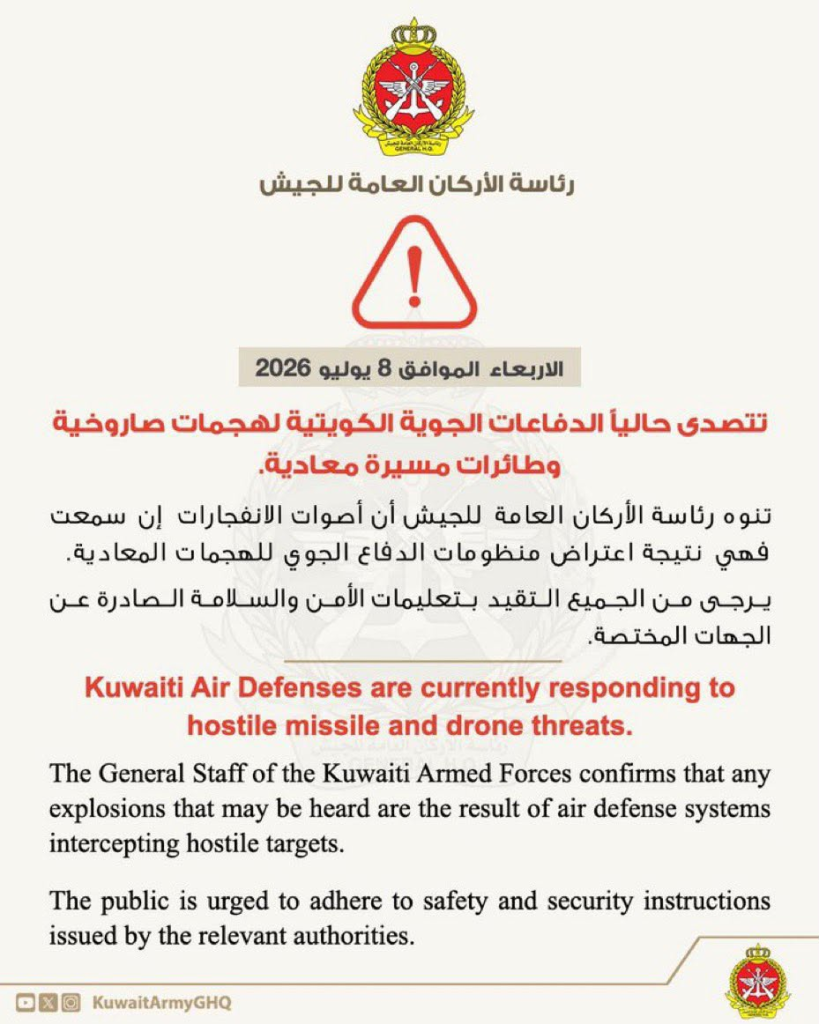
In response, Iran’s military launched a coordinated wave of missiles and drones targeting US military bases in Bahrain and Kuwait.
The General Staff of the Kuwaiti Army confirmed its air defense forces deployed to intercept incoming projectiles. While explosions were heard across Kuwait, authorities have not confirmed casualties or the extent of the damage.
US reimposes oil sanctions on Iran following tanker attacks
The United States has abruptly reinstated stringent sanctions on Iranian oil sales, drastically shortening a previously agreed wind-down window to July 17, following a series of projectile attacks on three commercial tankers including liquefied natural gas and oil carriers in the strategic Strait of Hormuz.
The sudden policy reversal sent global oil prices surging by more than five per cent, shattering a fragile diplomatic understanding that had only last month authorised Iranian oil sales through late August.
While Washington claims initial intelligence points to Iranian responsibility for the maritime strikes and warns of severe consequences, US officials maintain that back-channel negotiations toward a broader agreement technically continue in good faith, though energy analysts and diplomats warn that the rapidly escalating friction risks locking both nations back into a dangerous cycle of economic warfare and regional brinkmanship.
Qatar Summons Iranian Envoy
Prior to the strikes in Kuwait, the Qatari Ministry of Foreign Affairs summoned Iran’s Deputy Ambassador to deliver a formal protest note following an attack on a commercial vessel near the Strait of Hormuz.
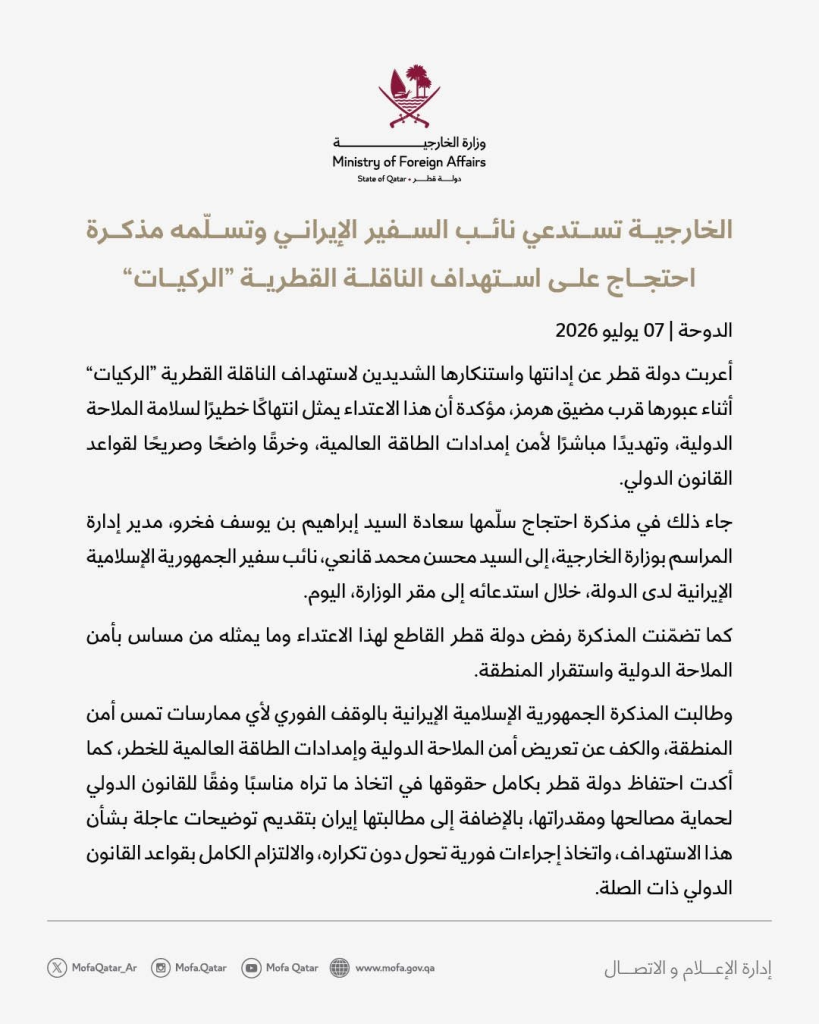
Qatari Ministry spokesperson Majed Al Ansari stated that Qatar holds Iran legally responsible for the incident, calling it a violation of international maritime navigation and safety laws.
The targeted vessel, carrying a crew that included Indian nationals, was traveling from Ras Laffan in Qatar to Dahej in India when a strike on its port side caused an engine room fire.
The Iranian Foreign Ministry rejected the accusations, stating that while Tehran remains committed to the safety of the strait, vessels face risks due to current regional tensions.
You May Also Like