- Web
- Now
Health experts urge policy reform, sustained support for SMA patients
-

- Web Desk
- 1 Minute ago
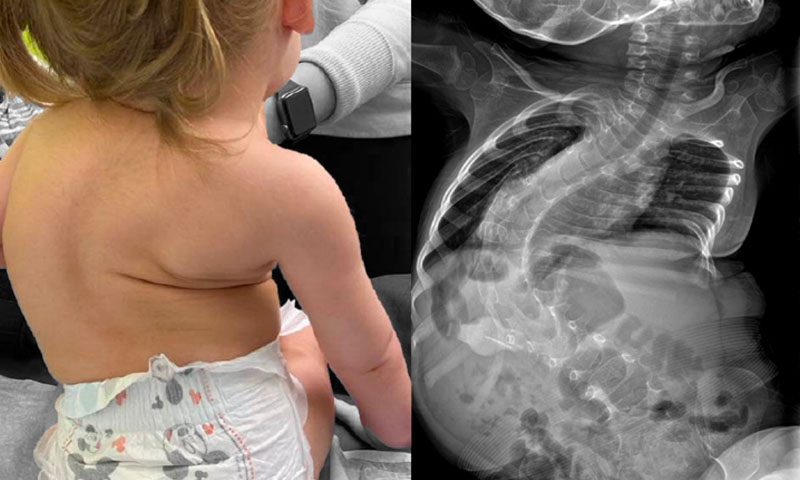
ISLAMABAD: Health leaders, policymakers, and patient advocates on Saturday called for urgent action to strengthen support for individuals living with Spinal Muscular Atrophy (SMA), a progressive genetic disorder affecting muscle function, highlighting the urgent need for policy reform and long-term solutions.
The event, titled “From Possibility to Policy: Shaping the SMA Future,” was organized by the Strive Eradication of Disability Foundation (Strive) and attended by health officials, clinical experts, pharmaceutical representatives, donors, philanthropists, and families affected by SMA.
Speakers highlighted that, despite advances in medical science transforming SMA from a previously untreatable condition into a manageable one, many patients still face barriers due to high treatment costs and limited systemic support. They stressed that bridging this gap requires both policy reform and sustained financial commitment.
Waseem Rafiq, Programme and Partnership Manager at Strive, said the organization receives requests for assistance from Balochistan, interior Sindh, South Punjab, and remote areas across the country, but limited financial resources restrict its ability to support all patients in need.
He added that around 500 patients are currently registered with Strive. Over the past 11 months, the foundation has facilitated 31 treatment cycles for 16 patients, with each cycle costing approximately Rs1.1 million per patient — placing a significant financial burden on families.
Rafiq said Strive is in active discussions with federal and provincial health authorities to encourage them to take responsibility for patients within their jurisdictions and help secure access to life-saving treatments. The organization is also negotiating with medical laboratories and pharmaceutical companies to subsidize diagnostic tests and treatment costs.
Muhammad Yasir Khan, CEO of Strive, said there was a time when children diagnosed with SMA tragically lost their lives due to lack of treatment. “While new therapies have transformed the treatment landscape, many children continue to die due to inadequate support systems and the absence of SMA integration into the national healthcare system,” he said.
He added that Strive has seen encouraging improvements in several patients after administering treatment doses, but some children later died when support had to be discontinued due to financial constraints.
Khyber Pakhtunkhwa Health Minister Khaliq Ur Rehman pledged the provincial government’s full support to SMA patients. He said that in addition to the Sehat Card programme, which provides financial assistance for medical treatment, the provincial government has released special grants for patients unable to afford expensive therapies.
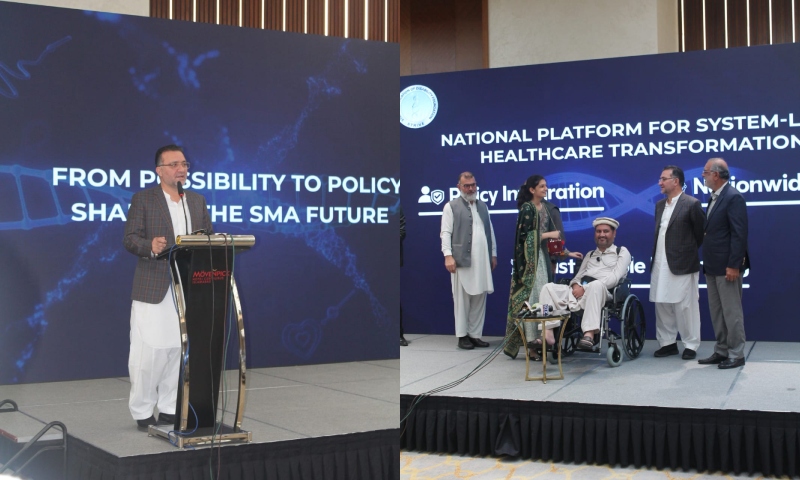
The minister announced that, in collaboration with Strive, the government will develop a comprehensive strategy to integrate SMA into the provincial healthcare system, ensuring timely diagnosis, treatment access, and sustainable financing.
Clinician and researcher Dr Gul-e-Sehar noted that awareness about SMA remains limited, even among healthcare professionals. She highlighted the shortage of specialists and lack of accessible genetic screening, which delay diagnosis. “Training general physicians to recognize early signs of SMA and refer patients for genetic testing can significantly improve outcomes,” she said.
Dr. Waseem Ur Rehman, pediatric neurologist at Shifa International Hospital, Islamabad, stressed the importance of early diagnosis. “Loss of motor neurons in SMA is irreversible. Timely diagnosis and early treatment can preserve motor function, improve clinical outcomes, and slow disease progression,” he said.
Dr. Athar Khalily, pediatric neurologist at Northwest Hospital, Peshawar, added that many SMA cases go undiagnosed or misdiagnosed because genetic testing is expensive and not widely available. “Limited awareness and absence of routine carrier screening contribute to preventable deaths,” he said, citing cases of children lost to the disease.
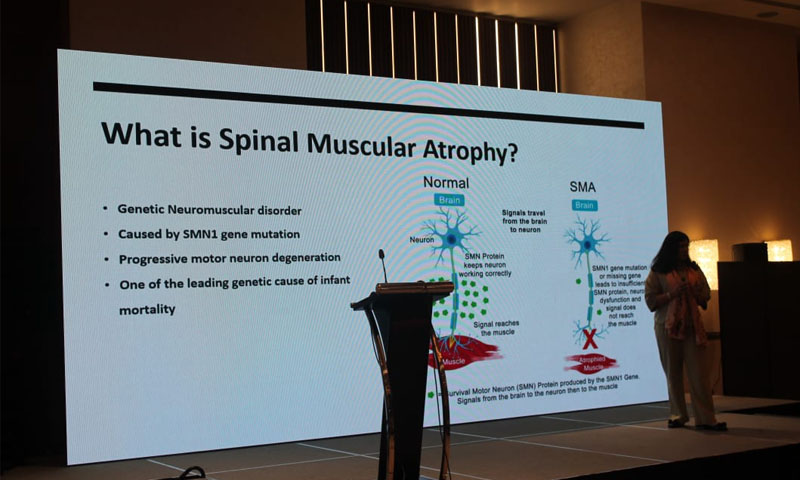
SMA is a rare genetic disorder that weakens muscles by affecting the motor neurons controlling movement. It primarily affects infants and young children and is among the leading genetic causes of infant mortality. Symptoms range from mild to severe, with Type 1 being the most serious form, causing profound muscle weakness, breathing difficulties, and early death, often before age two.
Since 2016, three FDA-approved treatments have slowed disease progression, improved muscle function, and extended lives, particularly when initiated early. However, in Pakistan, these treatments remain prohibitively expensive, even with partial subsidies.
You May Also Like