
- WEB DESK
- October 24, 2026
High-level committee proposes new administrative model for Islamabad
-

- Muhammad Faizan Khan
- September 6, 2026
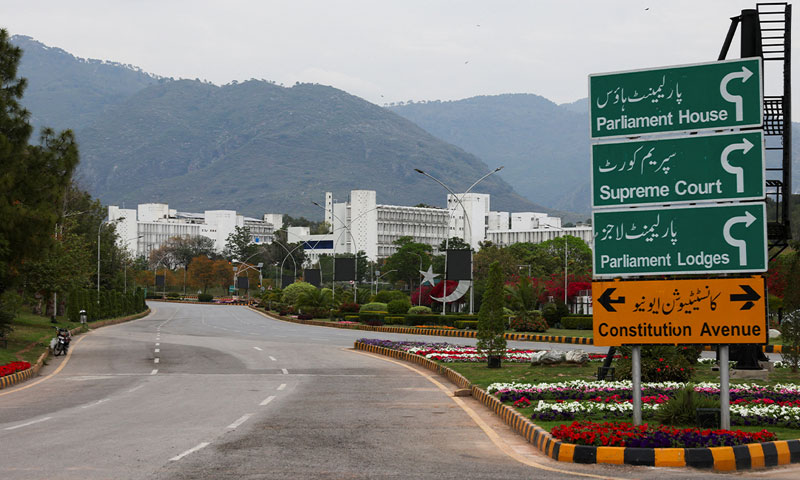
ISLAMABAD: A high-level government committee has proposed a new administrative and governance model for Islamabad, including an elected assembly, a chief executive and 27 administrative departments, as debate over the creation of new provinces and administrative units gains momentum in the country.
The committee has submitted its draft proposal to Prime Minister Shehbaz Sharif for a final decision, according to the informed sources.
Under the proposed model, Islamabad would have a 27-member elected assembly, with 21 members directly elected by voters.
The remaining six seats would be reserved, including five for women and one for minorities.
The proposal envisages an elected chief executive for the federal capital, with the position described as either a chief minister or mayor.
The chief executive would be accountable to the elected assembly, creating a system of public representation and political oversight that does not currently exist in the same form in Islamabad.
The proposed Islamabad government would oversee 27 administrative departments, with health, education, environment and civic services among the areas recommended for transfer to the local elected administration.
However, law and order and the capital’s master planning would remain under the federal government, according to the proposal.
Other administrative functions would be transferred to the elected Islamabad government.
The committee has also proposed restructuring the powers and responsibilities of the Capital Development Authority (CDA) and other institutions operating in the capital, with the aim of bringing the currently fragmented administrative structure under a more integrated governance framework.
The proposal would require a comprehensive legal framework and new legislation to establish the new system, potentially resulting in major changes to the existing governance and administrative arrangements in Islamabad.
The proposed model is being considered against the backdrop of a broader national debate over the creation of new provinces and administrative units. Islamabad could become the first major test case for a new governance structure before similar models are considered elsewhere.
According to sources, Planning Minister Ahsan Iqbal and Interior Minister Mohsin Naqvi, Prime Minister’s Adviser Rana Sanaullah and Federal Minister Musadik Malik have contributed to the preparation of the proposed governance model.
Senior government officials, including interior, cabinet, finance, health and education secretaries and the Islamabad commissioner and CDA chairman were among the other officials involved in preparing the proposed administrative framework.
The committee’s recommendations are not yet final. The prime minister will take the final decision on the proposed governance model for Islamabad.