
- Web
- 6 Hours ago
How does Japan celebrate Hinamatsuri festivities for the health and happiness of girls?
-

- Web
- Mar 03, 2026
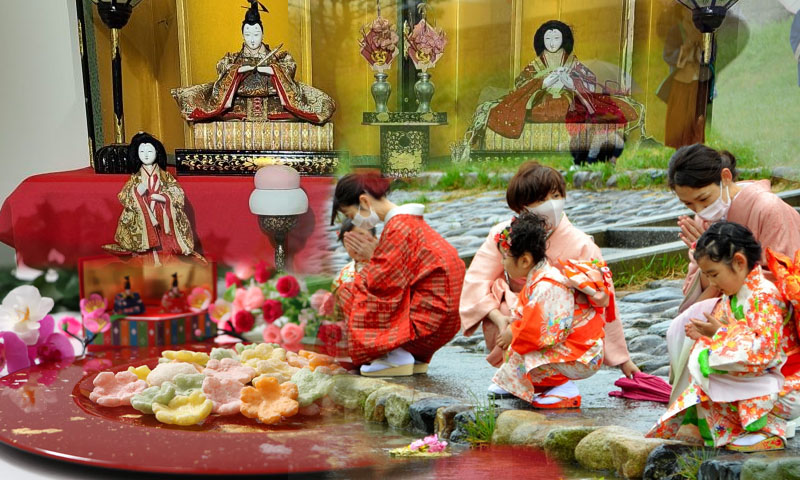
TOKYO: Citizens in Japan are celebrating today (Tuesday), Hinamatsuri, a festival where families set up a beautiful display of ornamental dolls called hina ningyo to wish, what they believe in, their girls a lifelong protection from bad luck.
Hinamatsuri, also known as the Doll Festival, is celebrated by parents of Japanese daughters, meaning to wish them a special life filled with blessings and prosperity.
The Japanese families include various aspects into this special event, often delaying finishing all the festivities in one day.
Celebration starts with Hina Dolls as the special day begins. Families with daughters set up a beautiful display of ornamental dolls called Hina Ningyo. These dolls represent the emperor, empress, attendants, and musicians of the Heian-era court. They are arranged on a red, tiered platform, believing that it is the dolls helping girls protected from bad luck.
Food has a big role throughout this celebration, where colourful sushi dishes with rice Chirashizushi and vegetables, as well as seafood, are being served. Other items that feature this festival include Hina-arare (sweet, pastel-colored rice crackers), Hishimochi (diamond-shaped rice cakes in pink, white, and green layers), and Shirozake (a sweet, low-alcohol rice drink, especially for adults). Interestingly, each item symbolises purity, health, and growth of their Japanese daughters.
The event is also beautified by celebrating it typically at their homes. Each family member takes part in enjoying food in honour of their daughters, with their parents offering prayers for a bright future and well-being to be blessed on their daughters. Girls also wear traditional clothing like a kimono, celebrating the event.
Some places in Japan hold large-scale displays and events, as said it is celebrated in the whole of the country. Museums and shrines display historic Hina Doll collections, whereas in some cities, citizens also hold festivals, parades, or cultural exhibitions.
In some regions, people perform a traditional ritual called nagashi-bina, which means the floating dolls ritual, and the procession includes paper or straw dolls placed in rivers, and the dolls symbolically carry away bad luck and misfortune. This event is not just a decorative showcase to showcase the beauty of the Japanese people, but also reflects a deep cultural value, about protecting girls from harm, celebrating girlhood, and wishing their daughters a healthy life filled with happiness and a successful future.
You May Also Like