- Web Desk
- Mar 31, 2026
How Islamabad built a standalone relationship with Washington under Trump
-

- Web
- Dec 08, 2025
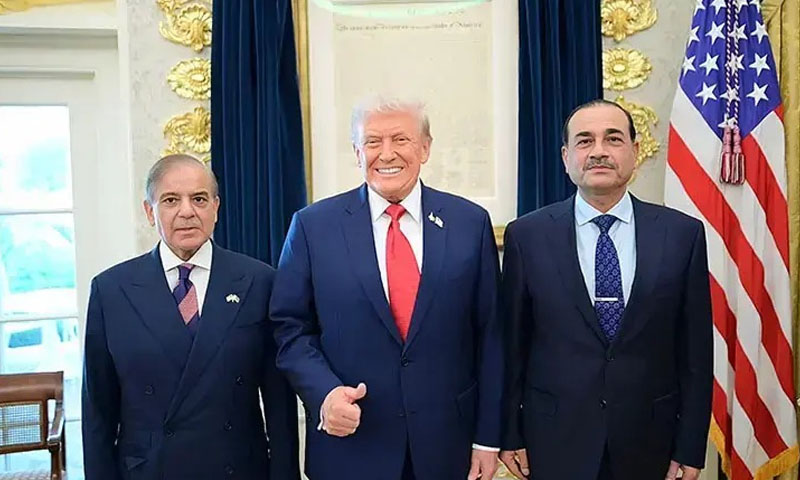
ISLAMABAD: Pakistan has quietly emerged as one of the few countries to build a stable and productive working relationship with US President Donald Trump during his second term, navigating Washington’s shifting foreign policy priorities with a mix of diplomacy, personal engagement, and strategic cooperation.
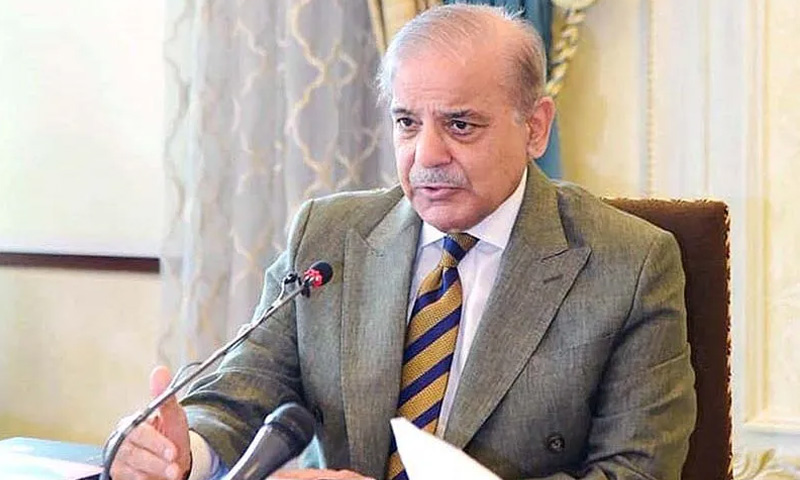
According to officials familiar with recent exchanges, President Trump has developed an unusually warm rapport with Prime Minister Shehbaz Sharif and Field Marshal Asim Munir. Both leaders have been received at the White House multiple times over the past year, signalling a level of access rarely extended to South Asian partners outside India.
Diplomatic sources say Islamabad moved early to cultivate goodwill by adopting a tone of praise and partnership. A key turning point came when Pakistan facilitated the arrest of a bomber linked to the 2021 Kabul airport attack — a gesture that senior US officials privately described as “timely and politically helpful” for Washington. The move, insiders say, set the stage for a deeper reset.
Pakistan also invested heavily in lobbying networks connected to Trump’s political circle, aligning conversations with themes central to his second-term agenda — including critical minerals, cryptocurrency regulation, and new strategic industries. This approach paid off with a major breakthrough in the minerals sector: a $500 million partnership between the Frontier Works Organisation (FWO) and US Strategic Metals, which US officials have highlighted as a model for future cooperation. The renewed momentum on the long-stalled Reko Diq project has also drawn interest from Washington, which sees Pakistan as an emerging player in the global critical minerals supply chain.
Crypto policy has unexpectedly become another channel of engagement. The Pakistan Crypto Council — formed in consultation with private US partners — has facilitated agreements with World Liberty Financial, a firm linked to the Trump orbit. Officials describe the cooperation as a new frontier in Pakistan–US economic ties, one that aligns with Trump’s goal of reshaping America’s global digital finance footprint.
At the same time, Trump’s approach toward India has noticeably cooled. His grievances over tariffs, New Delhi’s sustained oil purchases from Russia, and recent crises with Pakistan have complicated what was once one of Trump’s most publicised partnerships. By contrast, Pakistan’s public acknowledgement of Trump’s role in facilitating the May cease-fire between Islamabad and New Delhi further deepened goodwill — even as India dismissed claims of external mediation.
Despite the warmer optics, officials caution that Pakistan should not expect major US military or economic assistance in the near term. However, Washington’s tone has softened, and the White House has signalled a willingness to develop what Pakistani diplomats describe as a “standalone relationship” — one not viewed solely through the lens of China, India, or Afghanistan.
For Islamabad, this marks a strategic shift. After years of being defined by regional crises, Pakistan is now positioning itself as a partner in new sectors — minerals, technology, finance — that resonate with Washington’s evolving geopolitical priorities.
You May Also Like