- Web Desk
- 6 Minutes ago
Implementation of net metering amendments halted after PM’s directive: Awais Leghari
-

- Web Desk
- Feb 12, 2026
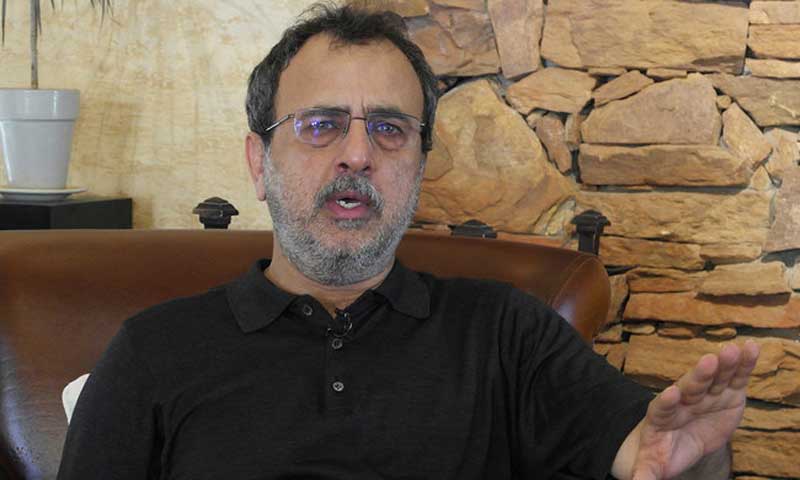
ISLAMABAD: Federal Minister for Energy Awais Leghari has said that the power regulator National Electric Power Regulatory Authority (Nepra) amended net metering regulations five times, amid ongoing debate on social media regarding the policy.
Addressing the issue, Leghari noted that various claims were circulating online about the regulator’s decisions. He clarified that commercial and domestic consumers are currently generating around 4,000 megawatts of electricity under the net metering system, with between 6,000 and 7,000 consumers enrolled in the scheme.
The minister recalled that the net metering framework was first introduced in 2017 to encourage distributed energy generation. He added that amendments to the NEPRA regulations were made in accordance with the Constitution and relevant laws.
Leghari further revealed that Prime Minister Shehbaz Sharif has directed a review of the matter. As a result, the implementation of the amended regulations has been temporarily halted.
NEPRA’s rooftop solar reset, tariff turbulence & who pays the price?
Pakistan’s power sector is undergoing major reforms as NEPRA replaces the decade-old net metering regime with a new “net billing” system under the Prosumer Regulations 2026. Previously, rooftop solar users could offset exported electricity at nearly the same rate they paid for grid power, driving rapid adoption with over 466,000 consumers enrolled. Under the new framework, surplus solar power will be purchased at the National Average Energy Purchase Price (around Rs10–11 per unit), while consumers will continue buying grid electricity at much higher slab-based tariffs of Rs37–55 per unit. Contract terms have been reduced from seven to five years, and system capacity is capped at sanctioned load.
Alongside this shift, NEPRA has approved Rs132 billion in new fixed charges for 28.5 million residential users, applied retrospectively from February. Fixed fees now range between Rs200 and Rs675 per kilowatt, raising effective tariffs sharply—by up to 75% for some lower-usage categories. While industrial tariffs may decline by 13–15% after cross-subsidies are removed, middle-income households could see hikes of up to 50%.
The government says reforms are needed to address shrinking revenues and mounting capacity payments, in line with IMF targets to cut subsidies and control circular debt. However, critics warn the changes risk public backlash, slower solar growth and tougher questions over who ultimately bears the system’s fixed costs.
You May Also Like