- Web Desk
- 52 Minutes ago
India’s media slam Modi over diplomatic silence as Pakistan emerges in US‑Iran talks
-

- Web
- 2 Minutes ago
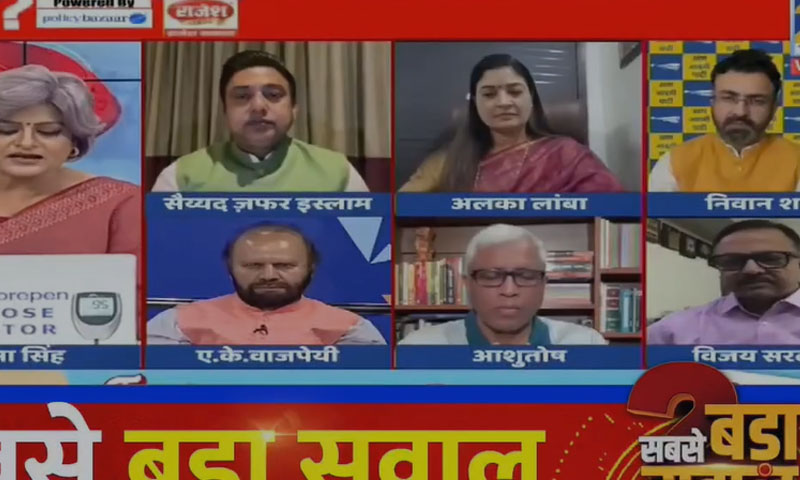
Journalists and political commentators in India have criticised Prime Minister Narendra Modi’s foreign policy, accusing his government of diplomatic level, as Pakistan positions itself at the forefront of efforts to mediate between the United States and Iran.
The criticism comes amid growing global efforts to de‑escalate the ongoing Middle East conflict, which flared after intensified US and allied strikes on Iran.
In recent days, Pakistan has publicly offered to host talks aimed at ending the hostilities, a proposal welcomed by several regional leaders and acknowledged in international discussions on peace strategies.
Indian journalists argue that while Pakistan actively seeks a mediator role, India remains conspicuously silent. Opposition voices in the Indian media say that Islamabad’s bid to host “meaningful and conclusive” negotiations, backed by diplomatic engagement with both Washington and Tehran, highlights what they see as a stark foreign policy failure by New Delhi.
“What we are witnessing,” one senior columnist wrote, “Is a strategic gap in Indian diplomacy. Pakistan, long viewed as marginal in global negotiations, is suddenly in the spotlight.”
Critics point to Pakistan’s historical use of diplomacy to bridge differences between adversaries and suggest that Islamabad’s current initiative could add to its international standing.
The debate intensified after India’s Foreign Minsiter Jaishankar rejected the idea that New Delhi should serve as a broker for US‑Iran talks. He has described India’s role as fundamentally different from being a “dalal” (broker). The use of this has ignited further criticism among Indian commentators.
Journalists also recalled past diplomatic milestones, such as Pakistan’s role in facilitating historic dialogue between Washington and Beijing in the 1970s, to underline the significance of Pakistan’s current engagement and to question India’s foreign policy direction.
Many expressed concern that India’s reluctance to step forward could limit its influence during a critical period of a potentially broader peace process.
Analysts say that Pakistan’s emerging role, whether symbolic or substantive, is prompting Indian commentators to re‑examine long‑held assumptions about regional influence and foreign policy leadership.
As global attention shifts toward efforts to de‑escalate the conflict in the Middle East, the debate within India’s press is likely to continue, spotlighting not just the complexities of international diplomacy, but also the domestic political implications of foreign policy decisions.
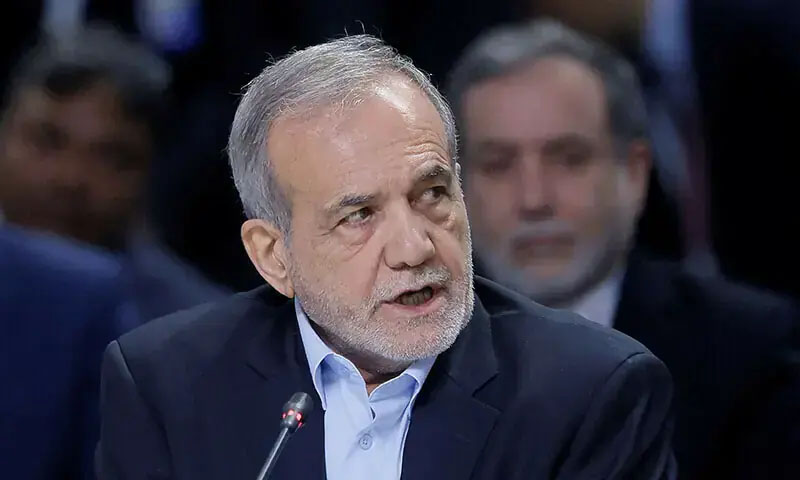
Meanwhile, Prime Minister Shehbaz Sharif held an extensive telephone conversation with Iranian President Masoud Pezeshkian, during which he strongly condemned ongoing Israeli attacks on Iran and reaffirmed Pakistan’s solidarity with the Iranian people.
You May Also Like