- Web Desk
- 24 Minutes ago
Indonesia rejects $1b Fee for Trump’s ‘Board of Peace’
-

- Web Desk
- 2 Minutes ago
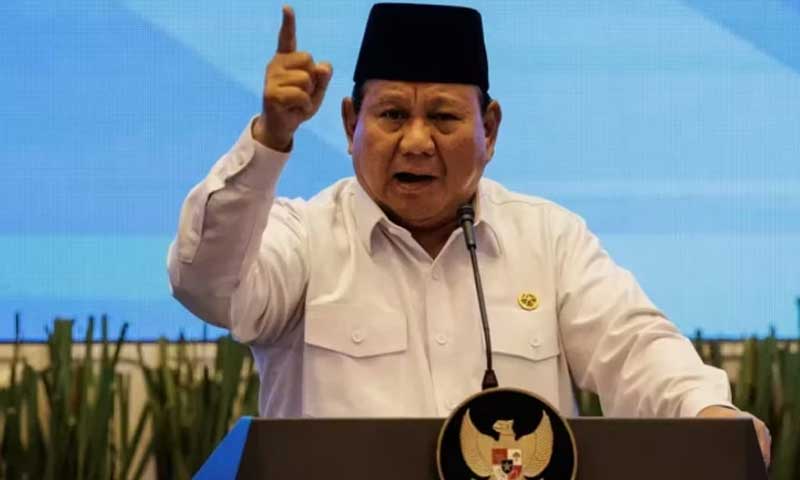
WEB DESK: President Prabowo Subianto has firmly denied that Indonesia will pay a $1b fee to secure a permanent seat on Donald Trump’s newly formed “Board of Peace”, distancing his government from mounting controversy over the initiative.
The body, established following a ceasefire brokered by Washington alongside Qatar and Egypt to end two years of conflict in Gaza, has drawn criticism for reportedly requiring a $1b contribution from permanent members. Critics have derided it as a “pay-to-play” alternative to the United Nations Security Council.
In a statement posted on his official YouTube channel on Sunday, Mr Prabowo said no such financial commitment had been made, according to AFP.
“We never said that we wanted to contribute $1b,” he stated, adding that he had made no financial pledges “at all” during his recent visit to Washington.
He clarified that Indonesia’s involvement was limited to personnel contributions rather than funding.
Domestic pressure and policy recalibration
The Indonesian leader is facing growing domestic pressure following his participation in the board’s inaugural meeting last month. Muslim groups and political opponents have questioned the initiative, warning that it may prioritise US interests over Palestinian sovereignty.
Mr Prabowo had earlier pledged to deploy up to 8,000 peacekeeping troops to Gaza, a proposal that has since been met with scepticism at home.
Seeking to reassure critics, he emphasised that Indonesia retains the right to withdraw from any international agreement that does not serve Palestinian interests or align with national priorities.
He also indicated that a recently signed tariff agreement with the United States remains conditional on fair implementation, signalling a broader recalibration of Jakarta’s external commitments.
Indonesia’s future role in the “Board of Peace” remains uncertain. The state news agency Antara reported that discussions with Washington over the proposed peacekeeping mission have been put “on hold”, according to the Foreign Ministry.
A ministry spokesperson reiterated that Indonesia’s foreign policy remains “independent and active”, adding that the country would not be compelled into financial obligations that do not benefit its people or principles.
You May Also Like