
- Reuters
- September 13, 2026
Iran announces reopening of Strait of Hormuz; Trump thanks Tehran
-

- Zafar Ali
- April 17, 2026
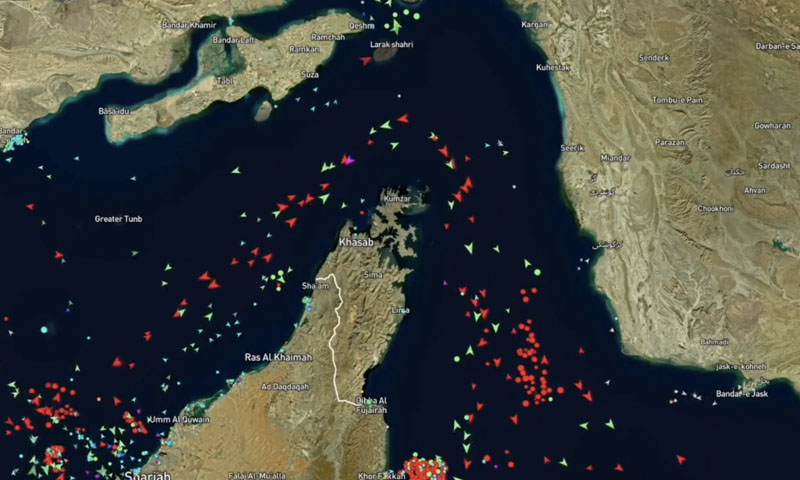
TEHRAN: Iran has announced the reopening of the Strait of Hormuz after more than a month of restrictions, Iranian Foreign Minister Abbas Araghchi said on Friday, calling it a significant development linked to regional ceasefire arrangements.
“The Strait of Hormuz has been reopened,” Araghchi said, adding that the waterway was being fully reopened in connection with the ceasefire in Lebanon.
He said the decision was taken for the remaining duration of the ceasefire agreement, and that commercial shipping would be allowed to resume normal movement through the strategic chokepoint.
However, Araghchi said vessels would be required to follow designated Iranian shipping routes while transiting the strait.
The Strait of Hormuz, through which a significant portion of global oil shipments pass, has been closely watched amid heightened tensions in the region and fears of disruptions to energy supplies.
Iran had previously imposed restrictions on maritime traffic in the area amid escalating regional conflict, prompting concerns in global energy markets.
The announcement marks a potential easing of pressure on shipping routes that are critical for global oil and gas flows, though it remains unclear how quickly full traffic will normalize.
US President Donald Trump confirmed on Friday that Iran had announced the Strait of Hormuz was “fully open and ready for full passage,” following weeks of tension over restrictions in the strategic waterway.
“IRAN HAS JUST ANNOUNCED THAT THE STRAIT OF IRAN IS FULLY OPEN AND READY FOR FULL PASSAGE. THANK YOU!” Trump wrote in a post on social media platform Truth Social.
Meanwhile, Oil prices fell sharply on Friday after Iran announced the reopening of the Strait of Hormuz, easing concerns over supply disruptions through one of the world’s most critical energy chokepoints.
Brent crude futures dropped around 8 per cent to $91 per barrel, while U.S. West Texas Intermediate (WTI) crude fell to $86 per barrel, according to market data.
The decline followed comments by Iranian Foreign Minister Abbas Araghchi that the Strait of Hormuz had been fully reopened after more than a month of restrictions linked to regional tensions.
The waterway, which handles about a fifth of global oil trade, had faced heightened uncertainty amid fears that shipping disruptions could significantly tighten global supply.
Market analysts said the announcement helped ease immediate supply risk premiums that had been factored into prices during the period of restricted access.
Oil prices had surged in recent weeks on concerns over potential escalation in the Middle East, with traders closely watching developments around shipping routes and regional ceasefire efforts.
The Strait of Hormuz is a vital passage for crude exports from key producers in the Gulf region, and any disruption typically has an immediate impact on global energy markets.
You May Also Like
- Reuters
- September 13, 2026
Trump says ‘very negative forces’ raising exaggerated concerns over AI

- Ayub Tareen
- September 13, 2026