- Web
- 13 Minutes ago
Iran appoints Mohammad Bagher Zolghadr as top security chief after Larijani killing
-

- Web Desk
- 1 Minute ago
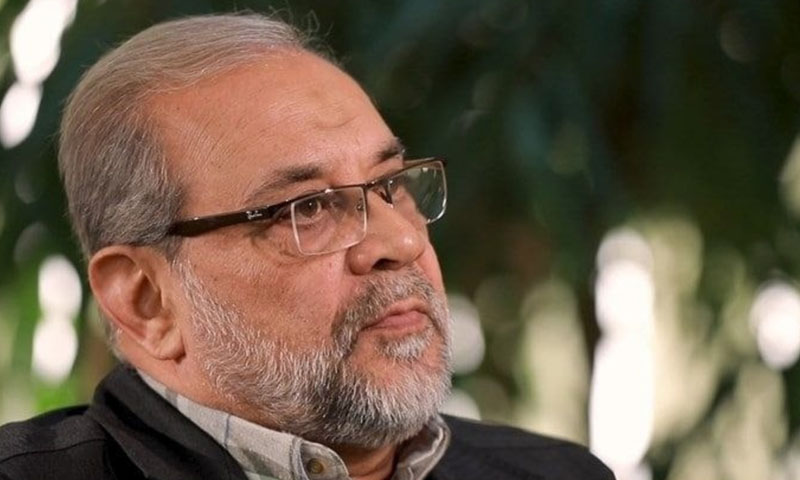
TEHRAN: Iran has appointed Mohammad Bagher Zolghadr as the new secretary of its powerful Supreme National Security Council replacing Ali Larijani who was killed in a strike last week, state media and officials said on Tuesday.
The appointment comes at a critical moment for the Islamic Republic as it faces escalating military confrontation with Israel and heightened tensions with the United States.
Zolghadr a former commander in the Islamic Revolutionary Guard Corps is regarded as a veteran security official with decades of experience across Iran’s military judiciary and political institutions.
His selection signals Tehran’s preference for seasoned security figures as it navigates one of the most volatile periods in its recent history.
Who is Zolghadr
Born in 1955 Zolghadr is a retired brigadier general of the Islamic Revolutionary Guard Corps who played a role in Iran’s military establishment following the 1979 revolution.
Over the years he has held several key positions including deputy interior minister for security affairs senior roles within Iran’s armed forces command structure and deputy judiciary chief for strategic and security affairs.
He has also served as secretary of the Expediency Discernment Council since 2021 reflecting his deep integration into Iran’s power structure.
Role of the security council
The Supreme National Security Council is Iran’s highest decision making body on defence intelligence and foreign policy.
Chaired by the president but overseen by the supreme leader the council coordinates policies across military intelligence and government institutions making the secretary one of the most influential positions in the country.
The role involves overseeing national security strategy crisis management and high level diplomatic coordination.
Replacing a key figure
Zolghadr succeeds Ali Larijani a veteran politician and influential strategist whose killing last week has been described as a major blow to Iran’s leadership.
Larijani was seen as a figure capable of bridging political factions and maintaining international connections particularly with China and Russia.
His death created a vacuum at the heart of Iran’s security decision making structure at a time of war prompting a swift leadership change.
Timing amid war and leadership shifts
The appointment comes as Iran faces ongoing military exchanges with Israel rising tensions with US forces in the region and concerns over attacks on strategic infrastructure.
At the same time Iran is undergoing a broader political transition adding further complexity to its decision making environment.
Analysts say the elevation of a hardline security figure like Zolghadr suggests Tehran is consolidating authority within its military security establishment as it braces for prolonged confrontation.
Wider implications
Zolghadr’s appointment is likely to strengthen the role of the Islamic Revolutionary Guard Corps in national security policy signal a tougher stance in both military and diplomatic arenas and reduce space for moderate or politically flexible figures.
It also comes as indirect diplomatic efforts involving regional players continue in parallel to prevent further escalation.
Bottom line
Iran’s decision to appoint Mohammad Bagher Zolghadr underscores a shift toward experienced security focused leadership at a time of crisis as the country recalibrates its strategy amid war leadership transition and mounting international pressure.
You May Also Like