- Web Desk
- 33 Minutes ago
Iran defence minister, IRGC chief killed in Israeli strikes, Reuters says
-

- Web Desk
- Feb 28, 2026
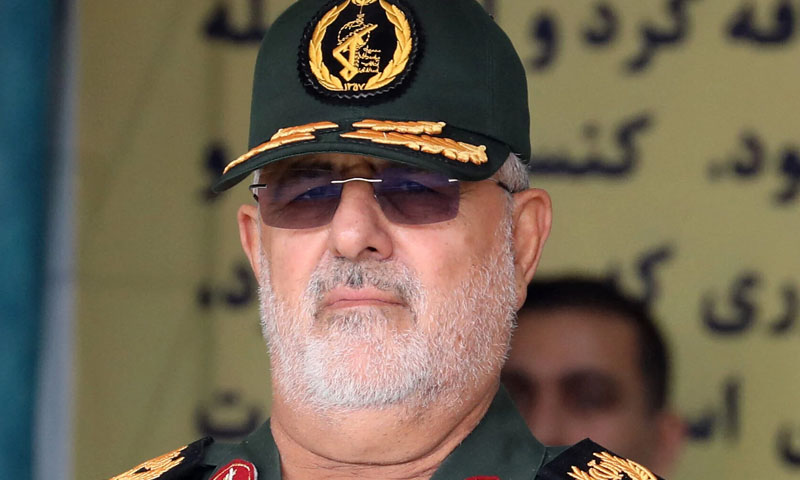
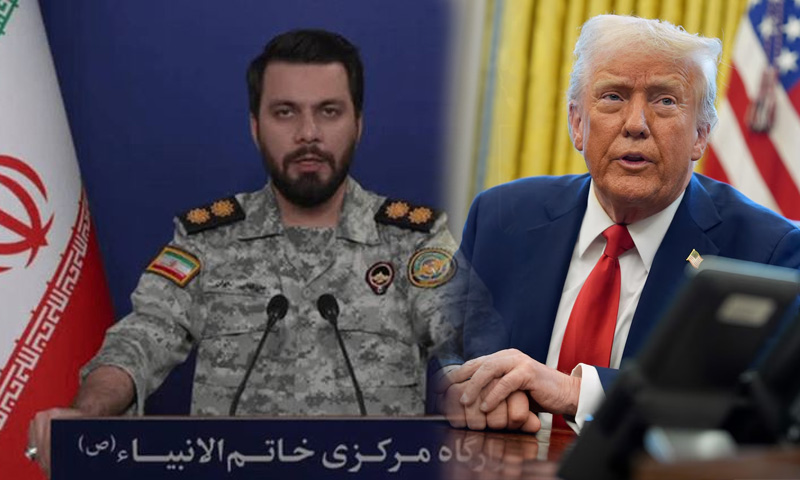
DUBAI: Several top Iranian military leaders, including Defence Minister Amir Nasirzadeh and Islamic Revolutionary Guard Corps (IRGC) commander Gen. Mohammad Pakpour, were killed in Israeli strikes on Saturday morning, three sources familiar with the matter told Reuters.
Earlier, Israeli officials had assessed that Pakpour, Nasirzadeh and Iran’s intelligence chief were likely among those killed in the attacks.
The strikes were part of a wider operation jointly launched by Israel and the United States against Iran, escalating tensions in the Middle East. According to reports, several senior political and military figures were targeted, including Supreme Leader Ali Khamenei and President Masoud Pezeshkian, though the outcome of those strikes remains unclear.
In response, Tehran fired missiles toward Israel and described the US-Israeli attacks as unprovoked and illegal.
Iran says capable of defending itself
Iran’s foreign minister said the country did not need external assistance for its defence and was fully capable of protecting itself.
“We may have lost a few commanders but that’s not such a big problem,” the minister said, according to an NBC News reporter on X, signalling that Tehran would continue its response despite the reported losses.
The confrontation marks a sharp escalation after Israel and the United States launched coordinated strikes on Iranian targets earlier in the day, plunging the region into renewed military conflict.
International reaction
Global leaders reacted swiftly, with many calling for restraint and a return to diplomacy.
In a joint statement, France, Germany and Britain condemned Iranian missile attacks and urged Tehran to refrain from indiscriminate military action. French President Emmanuel Macron, German Chancellor Friedrich Merz and British Prime Minister Keir Starmer reiterated their commitment to regional stability and protection of civilian life, calling for a resumption of negotiations.
Macron also called for an urgent meeting of the UN Security Council, warning that a war involving the United States, Israel and Iran would have serious consequences for international peace and security.
UN High Commissioner for Human Rights Volker Turk deplored the strikes and subsequent retaliation, saying civilians ultimately bear the brunt of armed conflict.
“Bombs and missiles are not the way to resolve differences,” he said, urging all sides to de-escalate and return to the negotiating table.
Canadian Prime Minister Mark Carney said Canada supported US efforts to prevent Iran from obtaining a nuclear weapon and threatening international peace.
Spanish Prime Minister Pedro Sanchez demanded immediate de-escalation and full respect for international law. Spain’s foreign minister echoed the call for dialogue and solidarity with those affected by the strikes.
Oman’s Foreign Minister Badr Albusaidi said ongoing negotiations mediated by Muscat between Iran and the United States had been undermined by the latest escalation, urging Washington not to become further involved.
Lebanese Prime Minister Nawaf Salam said Lebanon would not accept being dragged into actions that threaten its security and unity.
Norwegian Foreign Minister Espen Barth Eide said that while Israel described the assault as preventive, such attacks require proof of an immediately imminent threat under international law.
Ukraine’s foreign ministry blamed what it described as the Iranian regime’s violence and repression for the current crisis.
Meanwhile, Dmitry Medvedev criticised Washington, saying negotiations with Iran had been a “cover operation” and questioned the long-term outcome of the confrontation.
The latest escalation has heightened fears of a wider regional conflict, with diplomatic efforts appearing increasingly fragile amid ongoing military exchanges.
You May Also Like