- Web Desk
- 1 Hour ago
Iran dismisses Israeli claims of Ayatollah Khamenei’s death as ‘psychological warfare’
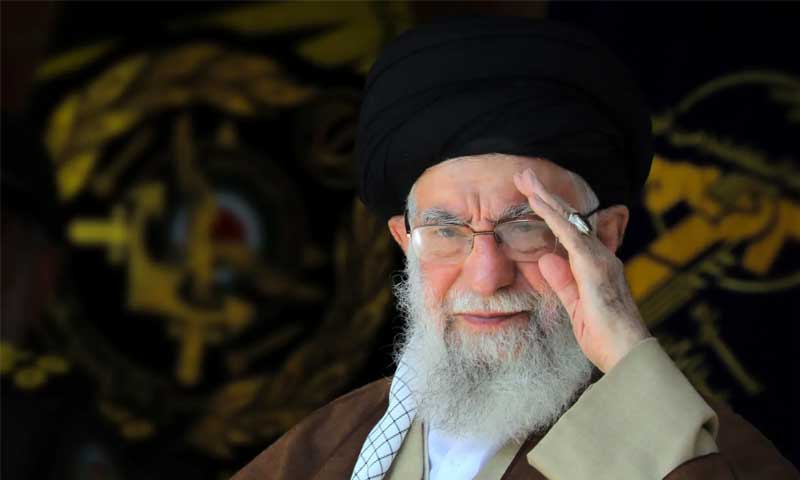
DUBAI: A senior Iranian official on Saturday rejected Israeli reports that Supreme Leader Ayatollah Ali Khamenei had been killed, describing the claims as part of “mental warfare” aimed at destabilising the country, according to Iranian state media.
“The enemy is resorting to mental warfare, all should be aware,” the head of public relations at the Supreme Leader’s office was quoted as saying.
Earlier, a senior Israeli official told Reuters that Khamenei had been killed in Israeli and U.S. strikes.
Senior Iranian leaders killed in strikes
Several top Iranian military figures, including Defence Minister Amir Nasirzadeh and IRGC commander Gen. Mohammad Pakpour, were killed in Israeli strikes on Saturday, three sources told Reuters. Israeli officials had earlier indicated that Pakpour, Nasirzadeh and Iran’s intelligence chief were likely among those targeted. The outcome of reported strikes on Supreme Leader Ali Khamenei and President Masoud Pezeshkian remains unclear.
Joint US-Israeli operation escalates tensions
The attacks were part of a wider coordinated operation by Israel and the United States against Iranian targets, sharply escalating regional tensions. In retaliation, Tehran launched missiles toward Israel, calling the strikes unprovoked and illegal.
Tehran vows to continue response
Iran’s foreign minister said the country was capable of defending itself without external support. Acknowledging the loss of commanders, he signalled that Iran would persist with its response despite the reported casualties.
Global calls for restraint
World leaders urged de-escalation and a return to diplomacy. France, Germany and Britain condemned Iranian missile attacks and called for renewed negotiations. The UN’s human rights chief warned civilians would bear the brunt of continued conflict. Canada backed US efforts to curb Iran’s nuclear ambitions, while Spain, Oman, Lebanon and Norway emphasised dialogue and adherence to international law.
The escalation has fuelled fears of a broader regional war as diplomatic channels appear increasingly strained.
You May Also Like