- Web Desk
- 2 Minutes ago
Iran mulls peace proposal, but rejects “temporary ceasefire”
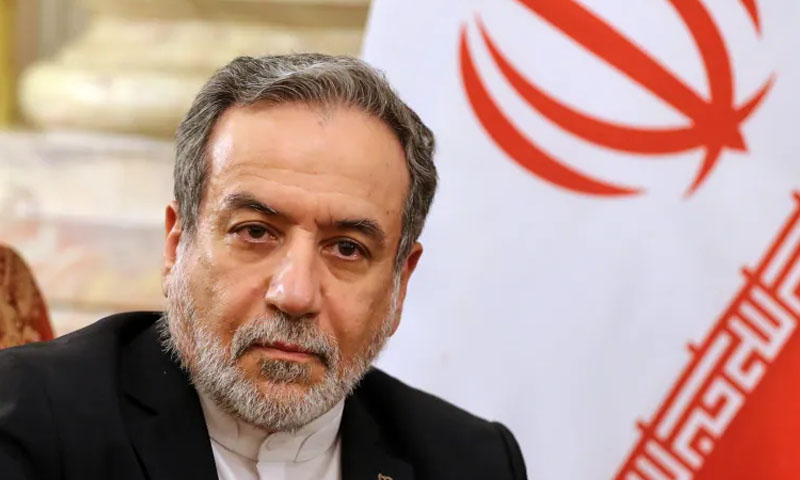
A senior Iranian official confirmed to Reuters on Monday that Iran is carefully reviewing a proposed peace plan but rejected the idea of a “temporary ceasefire.” This comes amid ongoing hostilities between the US and Iran, with both sides under increasing pressure to reach a resolution. Tehran has expressed concerns that the US is not fully committed to a permanent ceasefire, and Tehran views any temporary measure as insufficient in addressing long-term regional stability.
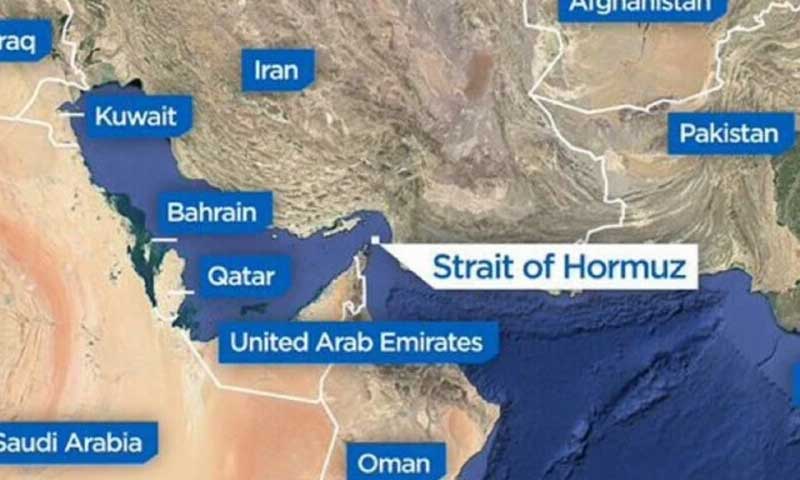
The proposal in question, known as the “Islamabad Accord,” was put forward by Pakistan as a framework to end the ongoing conflict between the two nations. The deal suggests a two-tier approach, with an immediate ceasefire followed by a more comprehensive agreement in 15–20 days. According to a source close to the negotiations, the ceasefire would lead to the reopening of the vital Strait of Hormuz, a key waterway for global oil shipments. If finalised, the deal would serve as a significant step towards de-escalating tensions that have rattled energy markets and stoked fears of further military confrontation.
While Iran has acknowledged receiving the ceasefire proposal, it has made it clear that it will not accept pressure to make a quick decision. The Iranian official noted that Tehran is reviewing the proposal carefully but would not bow to external pressure to meet deadlines. Iran has also stated that any agreement must be rooted in a lasting solution, not just a temporary pause in hostilities.
The Islamabad Accord, as it is tentatively called, aims to bring both sides to the negotiating table for further talks in Islamabad. The broader agreement would cover critical issues such as nuclear restrictions, sanctions relief, and the release of frozen Iranian assets. Reports suggest that Pakistan’s army chief, Field Marshal Asim Munir, has been in constant contact with US officials, including Vice President JD Vance and special envoy Steve Witkoff, as well as Iranian Foreign Minister Abbas Araqchi, to push the plan forward.
Despite continued diplomatic efforts from Pakistan, Turkey, and Egypt, Iran has not yet fully committed to the terms of the proposal. Iranian officials have expressed a desire for guarantees that they will not face further attacks from the US and Israel, and they are seeking a permanent ceasefire, not a temporary one. Tehran has made it clear that it requires assurance that the proposed ceasefire is not just a short-term measure but part of a more durable resolution.
The proposed ceasefire plan comes at a critical moment, as the ongoing conflict has severely disrupted global energy markets. The Strait of Hormuz, through which about a fifth of the world’s oil and liquefied natural gas pass, has been a focal point of the tension. The closure of the strait has had ripple effects on global oil prices and raised concerns over the long-term impact on energy supplies. With US President Donald Trump urging for a rapid ceasefire, the global community is anxiously watching whether a resolution can be reached.
The final deal, if agreed upon, could lead to significant changes in US-Iran relations. The potential agreement is expected to include Iran’s commitment to not pursue nuclear weapons in exchange for sanctions relief and the unfreezing of Iranian assets. However, many obstacles remain, and despite diplomatic overtures from all sides, Iran has yet to fully engage with the proposal.
As the situation remains fluid, both Washington and Tehran are under immense international pressure to resolve the conflict. The ongoing war and tensions have left many wondering whether the US and Iran can reach an agreement that stabilizes the region and averts further escalation, especially as global energy markets and security dynamics hang in the balance.
In the coming days, the international community will closely watch for any developments in the peace talks, with hopes that the “Islamabad Accord” or a similar deal could pave the way for a much-needed de-escalation.
You May Also Like