- Aasiya Niaz
- 5 Minutes ago
Iran rejects temporary US peace proposal via Islamabad, demands permanent settlement
-

- Web Desk
- 1 Minute ago
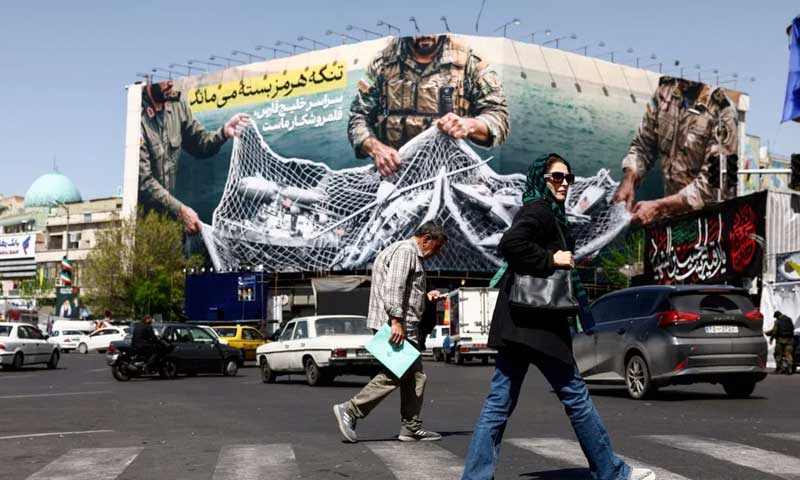
WEB DESK: Tehran has formally delivered its response to the United States’ latest proposal to end the regional war, utilising Pakistan as a diplomatic intermediary to present a 10-paragraph counter-plan.
The Iranian leadership has explicitly rejected the American call for a temporary 45-day ceasefire, insisting instead on a permanent cessation of hostilities and a series of binding international guarantees, according to the Jerusalem Post.
With a White House-imposed deadline fast approaching, the diplomatic exchange marks a critical juncture in the conflict that has disrupted global energy markets and regional stability since late February.
A comprehensive counter-proposal
The Iranian response, disseminated via state media and confirmed by diplomatic sources in Islamabad, outlines a rigid framework for ending the current impasse.
Rather than accepting a short-term pause in fighting, Tehran’s document demands a permanent resolution that addresses the foundational causes of the conflict.
Central to this 10-clause plan is a requirement for a formal “safe passage protocol” for the Strait of Hormuz, which has seen commercial shipping effectively halted for weeks.
Furthermore, the Iranian administration is seeking explicit commitments for the wholesale lifting of Western sanctions and the establishment of a multi-national fund to oversee the reconstruction of infrastructure damaged during recent strikes.
Deadlines and diplomatic brinkmanship
Despite the mediation efforts led by Pakistan, the prospect of an immediate breakthrough remains clouded by a looming ultimatum from Washington.
The United States has dismissed the 10-paragraph plan as a stalling tactic, maintaining its Tuesday night deadline for Iran to agree to an unconditional reopening of the Strait of Hormuz.
US officials have cautioned that failure to comply could result in a significant escalation, including potential strikes on civilian energy grids and transport hubs.
While Islamabad continues to push for its “two-tier” peace framework designed to bridge the gap between a temporary truce and a long-term accord the situation remains volatile as both sides remain entrenched in their respective positions.
You May Also Like