- Web Desk
- 23 Minutes ago
Iran reviews US ceasefire plan but rules out talks as Trump claims deal within reach
-

- Web Desk
- 2 Minutes ago
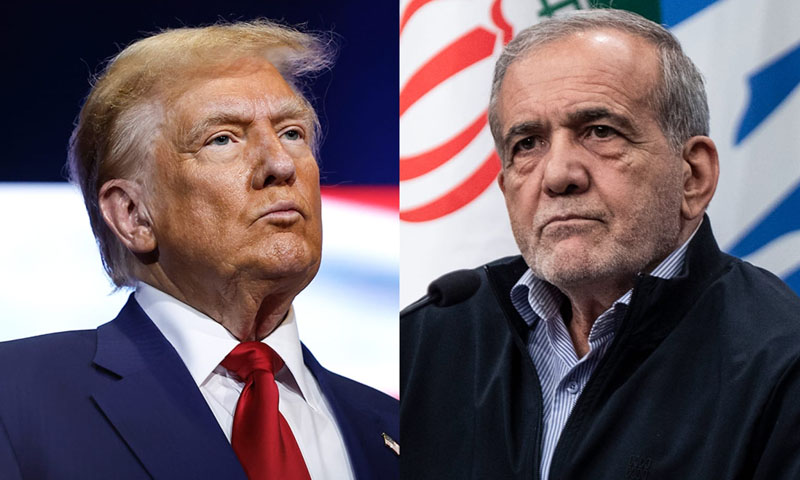
Nearly four weeks into an escalating conflict, sharp contradictions have emerged between Washington and Tehran over the prospects of a ceasefire. US President Donald Trump said Iranian leaders were eager to strike an agreement to end hostilities, even as Iran’s foreign minister rejected the notion that formal negotiations were underway.
Speaking at a public event, Trump claimed Tehran was quietly pursuing a deal but hesitating to acknowledge it openly. He suggested Iranian leaders feared both domestic backlash and further military pressure if they appeared too willing to compromise.
In contrast, Iranian Foreign Minister Abbas Araqchi insisted there had been no direct talks with the United States. He clarified that while messages had been exchanged through intermediary countries, these should not be interpreted as negotiations. According to him, such communications were limited to conveying positions and issuing warnings rather than engaging in structured dialogue.
The conflicting narratives reflect the deep mistrust between the two sides and highlight the fragile nature of any potential diplomatic breakthrough.
Ceasefire proposal and regional concerns
At the centre of the diplomatic standoff is a reported US ceasefire proposal, which Iran is currently reviewing. The plan, conveyed through intermediaries, reportedly includes sweeping conditions aimed at curbing Iran’s military and nuclear capabilities. These include the removal of highly enriched uranium stockpiles, a halt to enrichment activities, restrictions on ballistic missile development, and an end to financial support for allied groups in the region.
While Washington has not publicly disclosed details of the proposal, officials have warned that military pressure will intensify if Iran refuses to comply. The White House has maintained that Iran has suffered significant battlefield losses and must recognise its weakened position.
Israeli officials have also expressed scepticism about Tehran’s willingness to accept such terms. Concerns persist in Tel Aviv that any agreement could involve concessions that might limit Israel’s operational freedom, particularly its ability to carry out pre-emptive strikes.
Meanwhile, regional dynamics have added another layer of complexity. Sources indicate that Iran has conveyed through intermediaries that any ceasefire must also address the situation in Lebanon, signalling its broader strategic priorities and alliances in the Middle East.
War’s global ripple effects
Beyond the battlefield, the conflict has triggered widespread economic and humanitarian consequences. The disruption of energy supplies has sent shockwaves through global markets, particularly due to the effective closure of the strategically vital Strait of Hormuz. As a key transit route for a significant share of the world’s oil and liquefied natural gas, its blockage has led to fuel shortages and soaring prices worldwide.
Industries ranging from aviation to retail are grappling with rising operational costs and supply chain disruptions. Governments in several countries are reportedly considering emergency support measures reminiscent of those deployed during the Covid-19 pandemic to cushion the economic fallout.
Agricultural sectors have also been hit hard, with farmers struggling to secure diesel for machinery. The World Food Programme has warned that if the conflict persists into the coming months, tens of millions of people could face acute food insecurity.
Financial markets have reflected the uncertainty. Initial optimism over a possible ceasefire had briefly lifted global stocks, but that momentum quickly faded as doubts resurfaced. Oil prices, meanwhile, resumed their upward trajectory, reflecting fears of prolonged supply disruptions.
Intensifying military operations
Even as diplomatic signals remain unclear, military operations have continued unabated. Israeli forces have carried out extensive strikes on infrastructure across Iran, while the United States has significantly expanded its campaign.
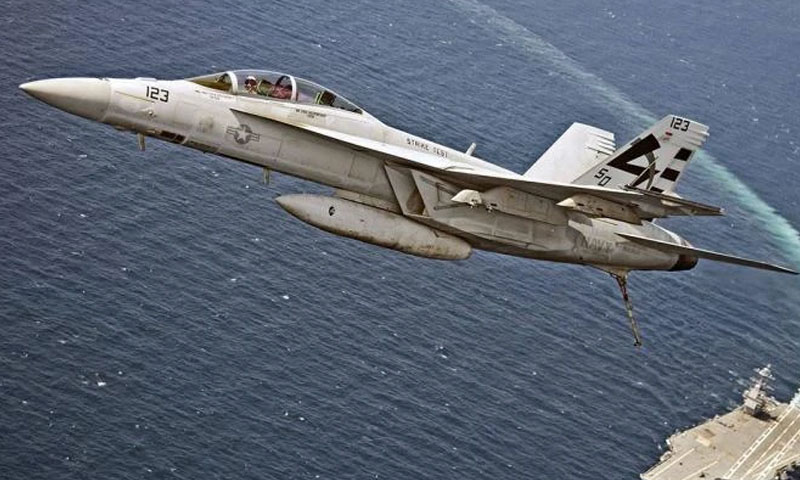
According to US Central Command chief Admiral Brad Cooper, American forces have struck more than 10,000 targets inside Iran. He claimed that the campaign had severely degraded Iran’s military capabilities, including the destruction of a large portion of its naval fleet and a sharp reduction in missile and drone launch activity.
The Pentagon is also reportedly preparing to deploy additional airborne troops to the Gulf region, potentially expanding its military options. This build-up would complement existing deployments, including Marine units expected to arrive in the region soon.
The scale and intensity of the operations indicate that both sides are preparing for a prolonged confrontation, even as diplomatic channels remain technically open.
Growing fears of wider war
Amid the escalating violence, international concern is mounting over the risk of a broader regional conflict. Antonio Guterres has issued a stark warning that the world is on the brink of a wider war, urging all parties to prioritise diplomacy over escalation.
He called for an immediate shift away from military confrontation and towards meaningful dialogue, stressing that continued escalation could have catastrophic consequences far beyond the Middle East.
For now, however, the gap between rhetoric and reality remains wide. While backchannel communications continue and ceasefire proposals are under review, the absence of direct negotiations and the persistence of military action suggest that a resolution is not imminent.
As both sides maintain hardline positions, the conflict shows little sign of easing, leaving the region, and the global economy, on edge.
You May Also Like