
- WEB DESK
- October 25, 2026
Iran says border with Pakistan open as LPG cargo clearance delays persist
-

- WEB DESK
- October 25, 2026
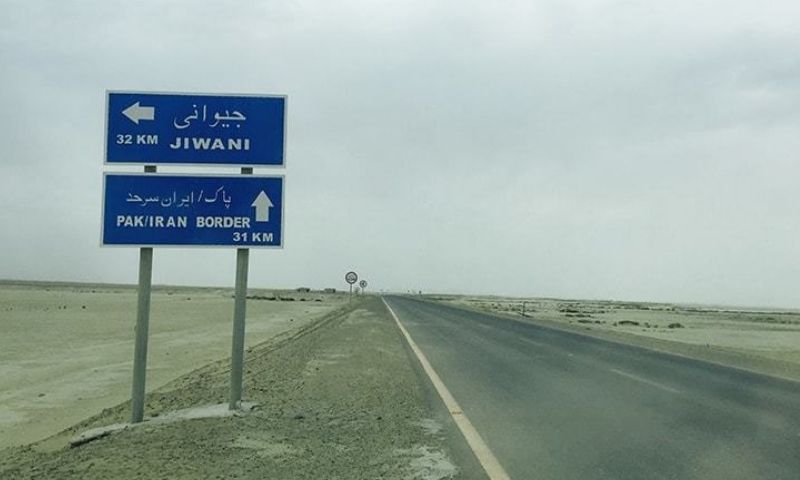
ISLAMABAD: Iran has denied imposing restrictions on exports to Pakistan, including liquefied petroleum gas (LPG), saying changes in Pakistan’s import documentation procedures have disrupted cross-border trade despite the reopening of a key border crossing after a week-long suspension.
Iranian Ambassador to Pakistan Reza Amiri Moghadam said on Sunday that Iran’s borders with all neighbouring countries remained open and that Tehran had not restricted the export of goods to Pakistan.
In a statement posted on X, the ambassador said changes in the implementation of Pakistan’s E-Form procedure for imports from Iran had made traders “effectively and literally unable to dispatch cargo” to Pakistan.
He said consultations with Pakistani authorities were underway to resolve the issue and restore the smooth movement of goods.
The statement came a day after Pakistan reopened the Gabd-Rimdan border crossing in Balochistan’s Gwadar district, allowing commercial traffic to resume following a suspension that began on October 17. The crossing, also known as Gate 250, connects Pakistan’s Gabd area with Rimdan in Iran’s Sistan and Baluchestan province.
Hundreds of LPG trucks awaiting clearance
The Iranian ambassador said several hundred trucks carrying LPG had crossed from Iran through Rimdan into Gabd on the Pakistani side but had remained there for weeks without being unloaded or cleared.
He warned that the delays were complicating cargo movement and disrupting bilateral trade, stressing that commerce between the two countries was covered by agreements reached at the highest levels and served their mutual interests.
Moghadam said Iran remained committed to working with Pakistan to overcome the difficulties and strengthen economic cooperation.
The reopening of Gabd-Rimdan has allowed some stranded shipments to move. Mir Naveed Jan Kalmati, president of the Gwadar Chamber of Commerce and Industry, told Dawn that trade resumed on Saturday morning, with officials allowing consignments accompanied by notes dated October 16 or earlier to cross.
However, a customs clearing agent and an LPG importer told Arab News that, while trucks carrying rice and other food items had crossed into Iran and LPG tankers had been allowed into Pakistan, export activity from the Taftan crossing had yet to fully resume.
Week-long suspension disrupted supplies
Pakistan suspended trade through the official Gabd-Rimdan and Taftan crossings on October 17 after the Ministry of Commerce withdrew an earlier trade order with immediate effect. The ministry’s memorandum did not specify a reason for the suspension, according to Dawn.
At the time, Pakistani authorities cited security concerns, while Iranian officials referred to technical issues and precautionary measures. Iran’s Foreign Ministry spokesperson, Esmaeil Baqaei, said the relevant authorities from both countries were in contact to resolve the problem and restore normal operations.
The suspension left freight vehicles carrying LPG, rice, fresh fruit and other commodities stranded on both sides of the border. Traders warned that the disruption could worsen LPG shortages and push up prices.
The Gabd-Rimdan crossing has become an important route for Pakistan’s energy supplies and exports. The disruption also affected Pakistani traders shipping rice and other goods to Iran.
Security concerns added to the difficulties after armed men attacked freight vehicles near the Gabd-Rimdan crossing on October 22, setting trucks carrying food items on fire. Additional security measures were subsequently put in place ahead of the crossing’s reopening.
Trade issues remain unresolved
The Iranian ambassador’s statement indicates that reopening the crossing has not necessarily resolved all the obstacles to bilateral trade. While some vehicles have resumed movement, the implementation of Pakistan’s E-Form procedure and the clearance of pending consignments remain concerns raised by Tehran.
The two countries are holding consultations to address the procedural difficulties, but neither side has announced a comprehensive resolution of the outstanding issues.
Pakistan and Iran share a border of more than 900 kilometres, with cross-border trade supporting businesses and communities on both sides. The latest disruption has highlighted the vulnerability of supply chains to security-related closures and administrative hurdles.
You May Also Like
- WEB DESK
- October 25, 2026
Maryam Nawaz hails flamingo revival at Uchali Lake
- WEB DESK
- October 25, 2026
