- Web
- 5 Hours ago
Iran says Tel Aviv strike answered killing of top security official Ali Larijani as war widens
-

- Web Desk
- Mar 18, 2026
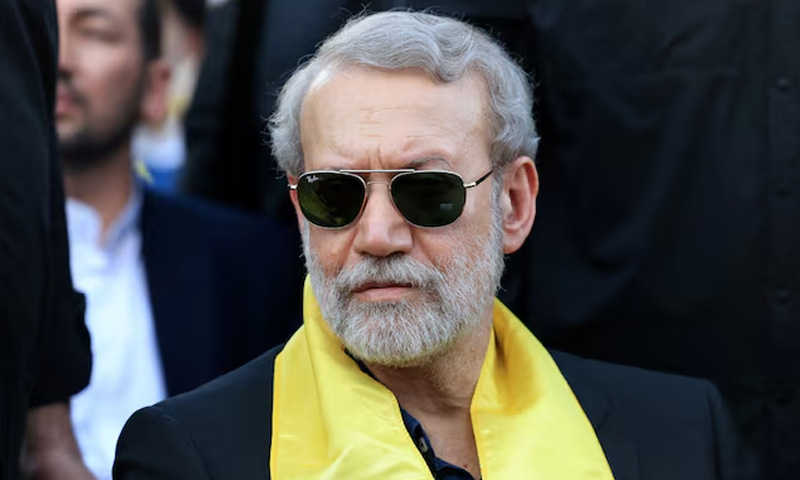
DUBAI/TEL AVIV: Iran said it launched a missile attack on Tel Aviv using cluster munitions in response to the killing of senior security official Ali Larijani, as fighting with Israel entered another dangerous phase on Wednesday.
Iranian state media said the strike was meant as retaliation for Larijani’s assassination, while Israel said the overnight attack on the densely populated city killed two people. Israeli authorities have previously accused Iran of using cluster warheads in repeated attacks, saying the weapons scatter smaller explosives over a broad area and are harder to stop once deployed.
Iran separately confirmed Larijani’s death, making him one of the highest-ranking figures killed since the conflict sharply escalated more than two weeks ago. Iran’s Supreme National Security Council said Larijani’s son and his deputy, Alireza Bayat, were also killed in an Israeli strike late Monday.
The exchange came as there were no visible signs of de-escalation. A senior Iranian official said proposals relayed to Tehran aimed at easing tensions or securing a ceasefire with the United States had been rejected. According to the official, Iran’s new supreme leader, Mojtaba Khamenei, told a foreign-policy meeting that this was not the moment for peace and that Iran would press on until Washington and Tel Aviv accepted defeat and compensation.
In Iran, authorities told the International Atomic Energy Agency that a projectile landed near the Bushehr nuclear power plant on Tuesday evening but caused no casualties or damage. IAEA chief Rafael Grossi renewed his call for restraint, warning of the risks of a nuclear accident if the fighting moves closer to sensitive nuclear facilities.
The war has already inflicted a heavy human toll across the region. A U.S.-based human rights organisation, HRANA, said more than 3,000 people have been killed in Iran since the attacks began in late February. Iranian strikes have also caused deaths in Israel, Iraq and Gulf states, while Lebanon has reported more than 900 deaths since Israeli attacks there intensified earlier this month.
The conflict has also rattled global markets and trade routes. The Strait of Hormuz, a key artery for global oil shipments, remains largely shut as Iran threatens vessels it says are linked to the U.S. and Israel. Oil prices have surged, deepening concerns over inflation, food insecurity and energy supply disruptions.
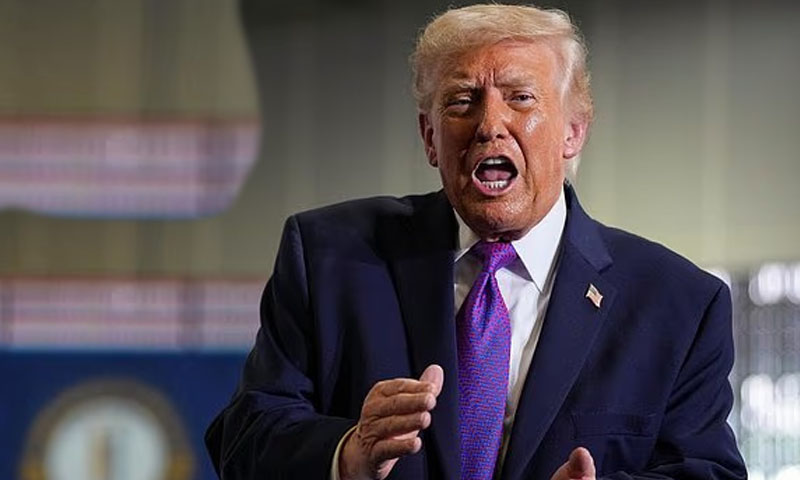
U.S. President Donald Trump said on Tuesday that NATO allies and other partner countries had shown little appetite for helping secure shipping through the strait. He criticised their reluctance but then said Washington no longer needed their support after what he described as major military gains.
European Union foreign policy chief Kaja Kallas said governments were unwilling to put their citizens at risk in military operations to reopen the route, and urged a diplomatic solution to prevent a wider food, fertiliser and energy crisis.
The United States said it had struck sites along Iran’s coastline near the Strait of Hormuz because Iranian anti-ship missile positions posed a threat to international shipping. Meanwhile, Saudi Arabia said it would host Arab and Islamic foreign ministers in Riyadh on Wednesday to discuss regional stability as the war threatens to spread further.
Airlines have also begun warning of steep cost increases as fuel prices rise and Middle East airspace remains heavily disrupted, forcing cancellations, rerouting and growing uncertainty across global aviation.
You May Also Like