- Reuters
- October 6, 2026
Iran sends response to US proposal to end war via Pakistan
-

- Sadiq Khan
- May 10, 2026
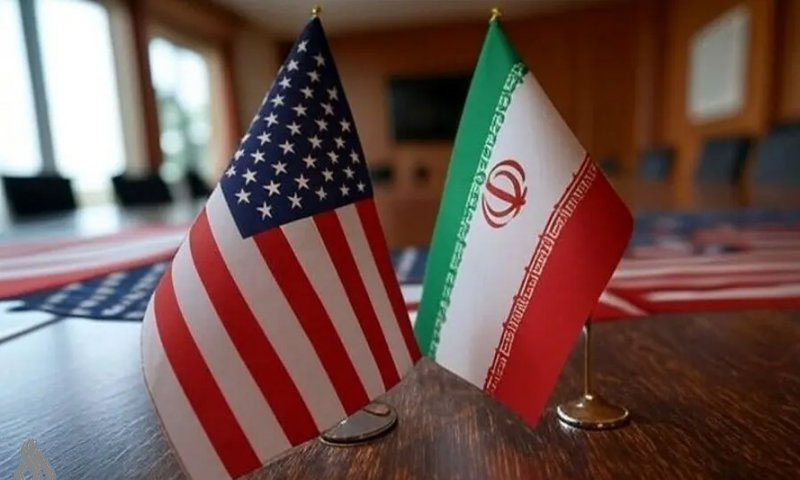
ISLAMABAD: Iran has delivered its response to a US proposal aimed at ending the ongoing conflict, according to Iranian state media reports on Sunday. The move comes as limited maritime traffic resumed through the strategically vital Strait of Hormuz.
The Iranian response reportedly focuses on a comprehensive ceasefire, particularly calling for an end to hostilities across multiple fronts, including Lebanon, and emphasising the safety of shipping in the strait.
However, no details were given on how or when full maritime access might be restored.
Pakistan, which has been playing a mediating role in talks between the two sides, confirmed that it has forwarded Iran’s response to Washington. The United States has not yet issued a public reaction.
Despite ongoing tensions, some vessels were permitted to pass through the strait. A QatarEnergy-operated LNG carrier, Al Kharaitiyat, successfully transited the waterway en route to Pakistan’s Port Qasim, marking the first Qatari LNG shipment through the strait since the escalation of conflict earlier this year.
A Panama-flagged bulk carrier bound for Brazil also passed through, reportedly using a route designated by Iranian military authorities, according to Iranian media.
The Strait of Hormuz, one of the world’s most critical energy chokepoints, normally handles about one-fifth of global oil shipments. Iran has largely restricted non-Iranian shipping since the conflict escalated, raising concerns over global energy security.
The developments come as international pressure mounts to de-escalate the crisis ahead of US President Donald Trump’s upcoming visit to China. The conflict has already triggered disruptions in global energy markets and heightened fears of wider regional instability.
Israeli Prime Minister Benjamin Netanyahu indicated that the war is not yet over, saying further action is needed to address Iran’s nuclear programme and military capabilities. He did not rule out either diplomatic or military options.
Iranian President Masoud Pezeshkian, meanwhile, reaffirmed Tehran’s stance, stating that the country will not yield to external pressure and will defend its national interests.
Despite a recent ceasefire, sporadic clashes and drone activity have been reported across the Gulf region, including incidents involving the United Arab Emirates and Qatar.
In addition, tensions continue in southern Lebanon, where fighting between Israel and Iran-backed Hezbollah has persisted despite a US-brokered ceasefire earlier this year.
Western allies are also weighing potential maritime security operations in the region, though Iran has warned that any foreign naval deployment near the Strait of Hormuz would be considered an escalation and met with force.
France and the United Kingdom have signalled readiness to support a future international mission focused on securing safe passage through the strait, but have not committed to direct military intervention.
You May Also Like