- Reuters
- October 12, 2026
Iran shuts Strait of Hormuz again after US refuses to lift blockade
-

- Zafar Ali
- April 18, 2026
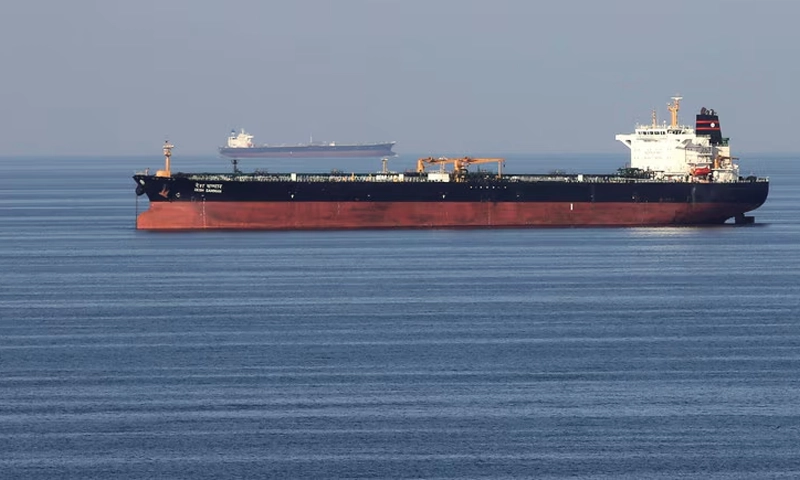
CAIRO/TEHRAN/WASHINGTON: Iran has again shut the Strait of Hormuz, severely restricting traffic through the world’s most critical oil shipping lane, after the United States refused to lift a naval blockade on Iranian ports.
Iran’s joint military command said the strategic waterway had “returned to its previous state” and would remain under strict armed forces control until Washington restores full freedom of navigation for Iranian shipping.
The move marks a swift reversal from just a day earlier, when Tehran had declared the strait open to commercial vessels under a fragile ceasefire, raising hopes of de-escalation in the region.
Stand-off over blockade
The latest escalation centres on the U.S. naval blockade imposed earlier this week on vessels entering or leaving Iranian ports, part of broader pressure on Tehran amid the ongoing conflict.
U.S. President Donald Trump said the blockade would remain in place until a wider agreement is reached, including on Iran’s nuclear programme — a stance Tehran says violates understandings linked to the ceasefire.
Iranian officials have framed the blockade as “piracy” and warned they will not allow normal passage through the strait while their own exports remain restricted.
Global energy artery at risk
The Strait of Hormuz, which links the Persian Gulf to the Gulf of Oman, carries roughly one-fifth of global oil and gas supplies, making it one of the world’s most important maritime choke points.
Any disruption has immediate global consequences. Previous closures during the current conflict have already slashed tanker traffic, stranded vessels and contributed to volatility in oil prices and supply chains.
Shipping through the waterway remains highly restricted, with some vessels turning back or awaiting clearance amid fears of mines, interceptions and military confrontation.
From ceasefire to renewed tension
The latest developments come after a 10-day truce linked to fighting in Lebanon briefly eased tensions and prompted Iran to reopen the strait.
However, Washington’s decision to maintain the blockade created a direct contradiction, leading Tehran to scrap the reopening and reassert control over the passage.
Wider conflict backdrop
The Hormuz crisis is part of a broader war that began in late February, when U.S. and Israeli strikes on Iran triggered retaliation and a sweeping disruption to regional shipping.
Since then, Iran has used control of the strait as a key lever against Western pressure, while the United States has sought to reopen the route through military and economic measures.
What next
The renewed restrictions raise the risk of another full closure, which analysts say could deepen the global energy crisis and further destabilise financial markets.
Diplomatic efforts — including mediation attempts involving regional players — are continuing, but the standoff over the blockade remains the central obstacle to restoring normal shipping through the strait.